Solar schools
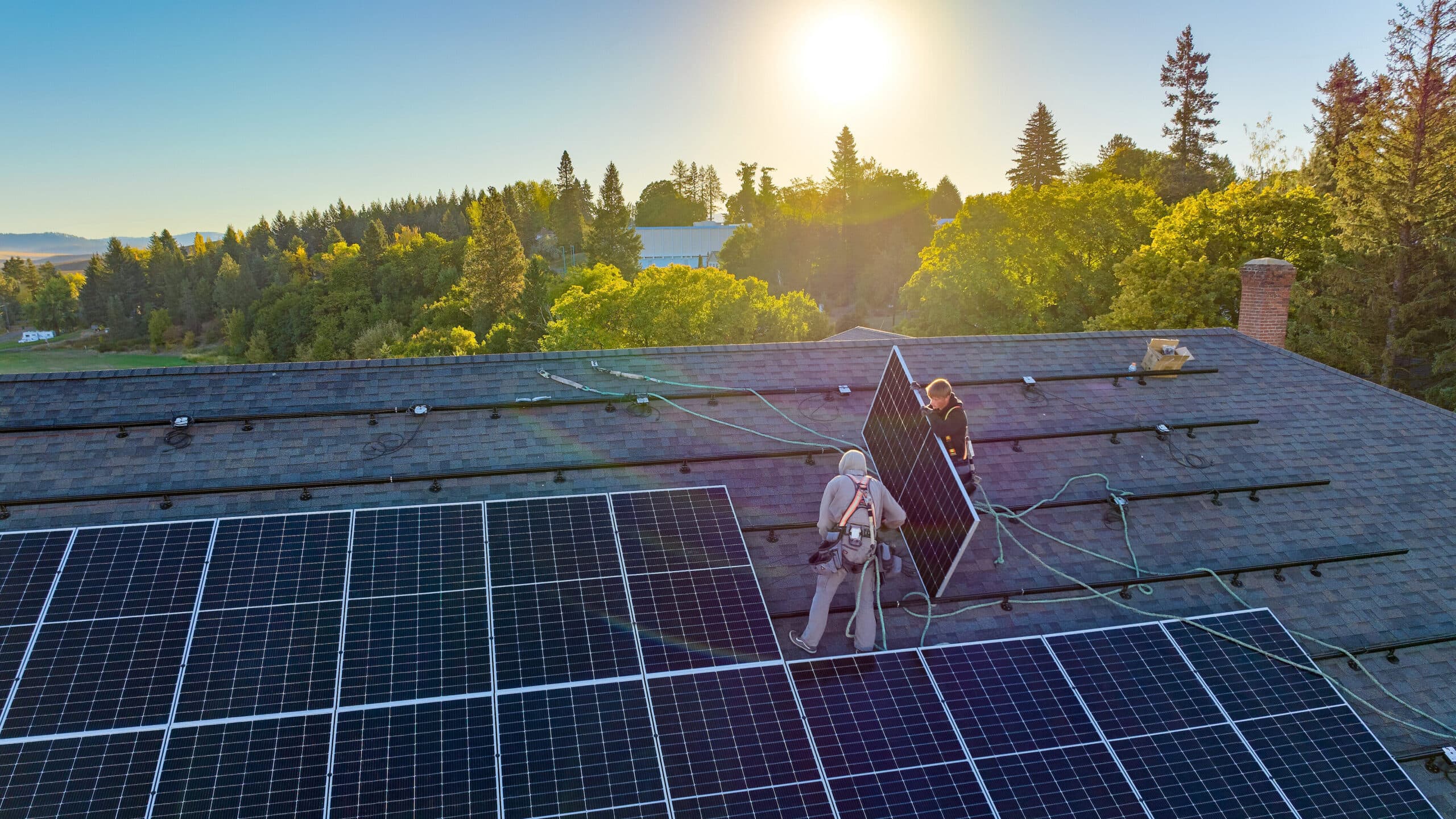
Solar schools shine on Washington students
A unique program converts rural schools to solar power, cutting costs and strengthening communities.
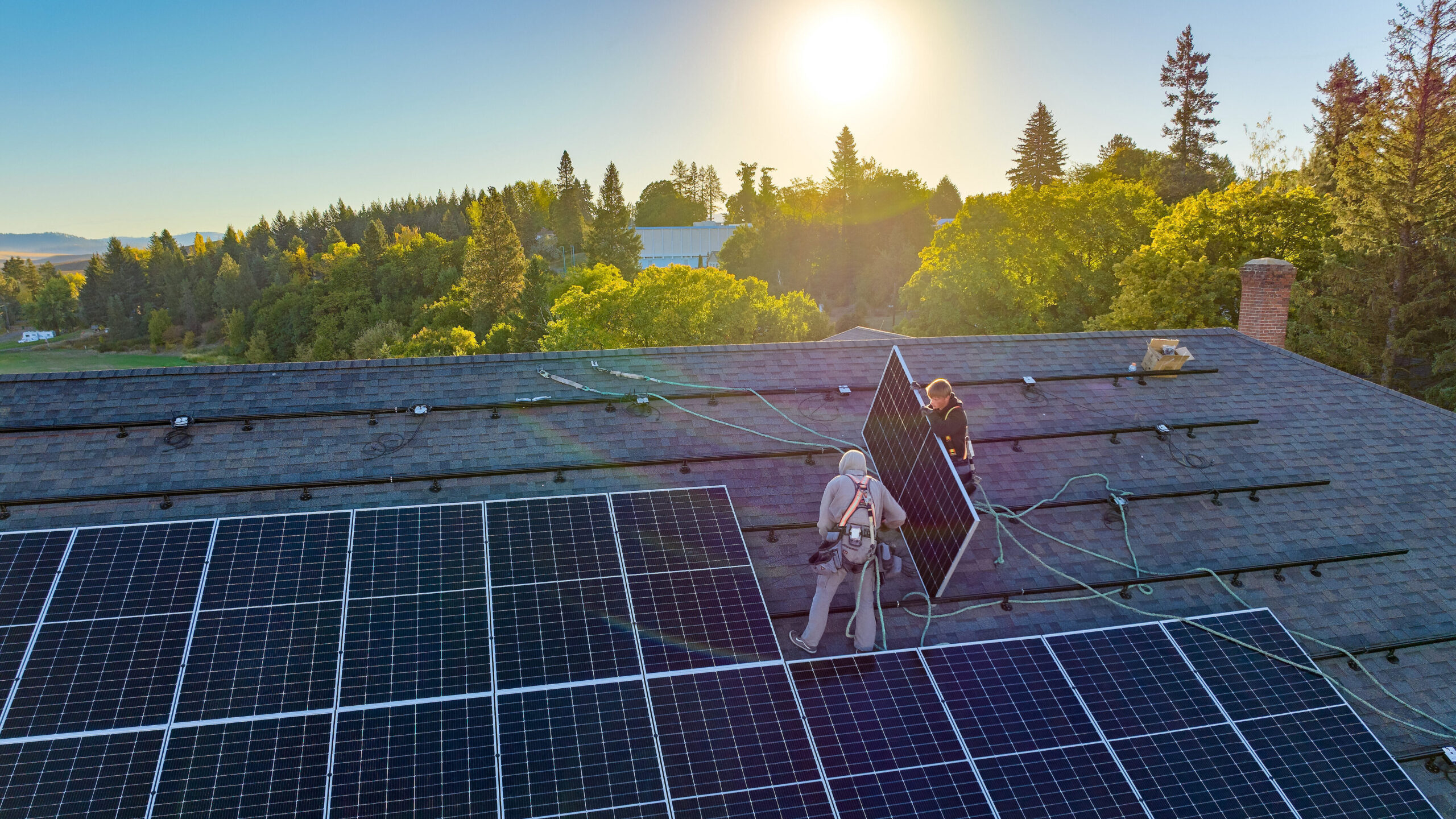
A solar program administered by Washington State University Extension’s energy office is powering rural schools and their communities at the same time.
Schools usually pay nothing for the solar installation, which is funded by state tax credits. In return, they agree to use money saved on their power bills to benefit low-income students and their families for 10 years.
Partners in the project say it’s a win for all involved: the small, rural schools that likely couldn’t afford to convert to solar; the community members who’ll benefit; and the state, which has an interest in clean energy and in making it available equitably.
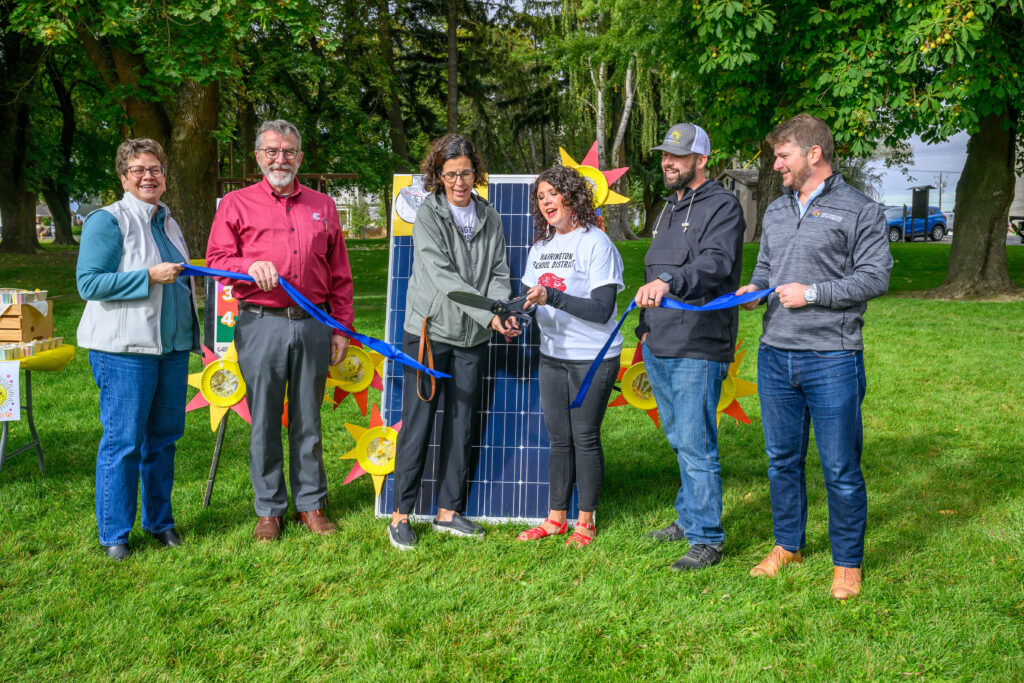
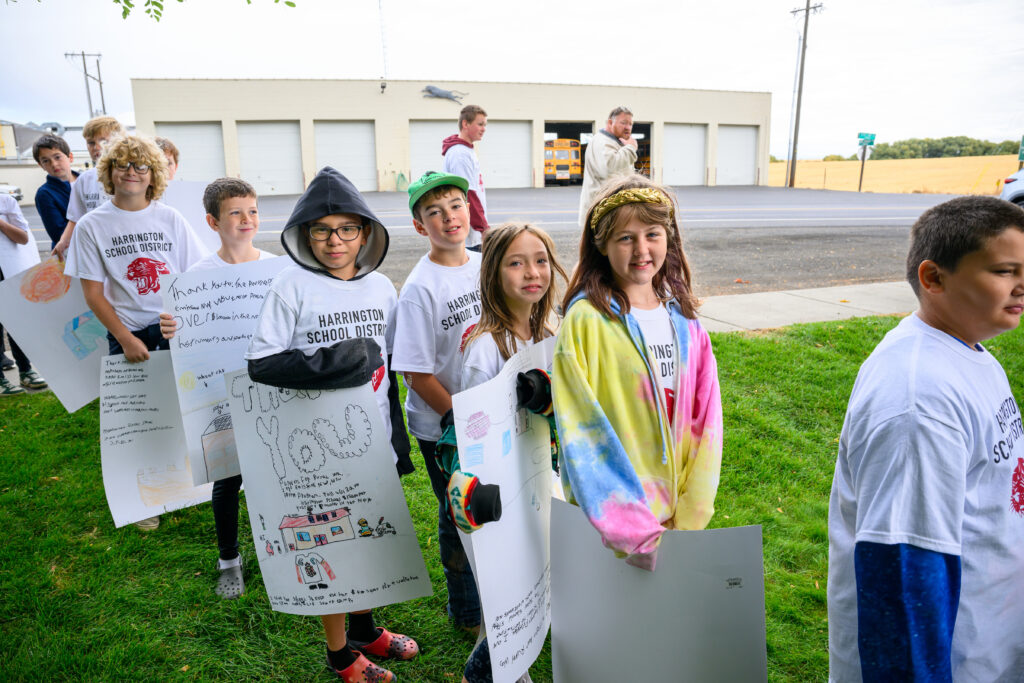
How the schools spend their extra revenue is largely up to them, as long as it directly benefits low-income community members, said Jody Opheim, executive director of Partners for Rural Washington, a nonprofit leading the project.
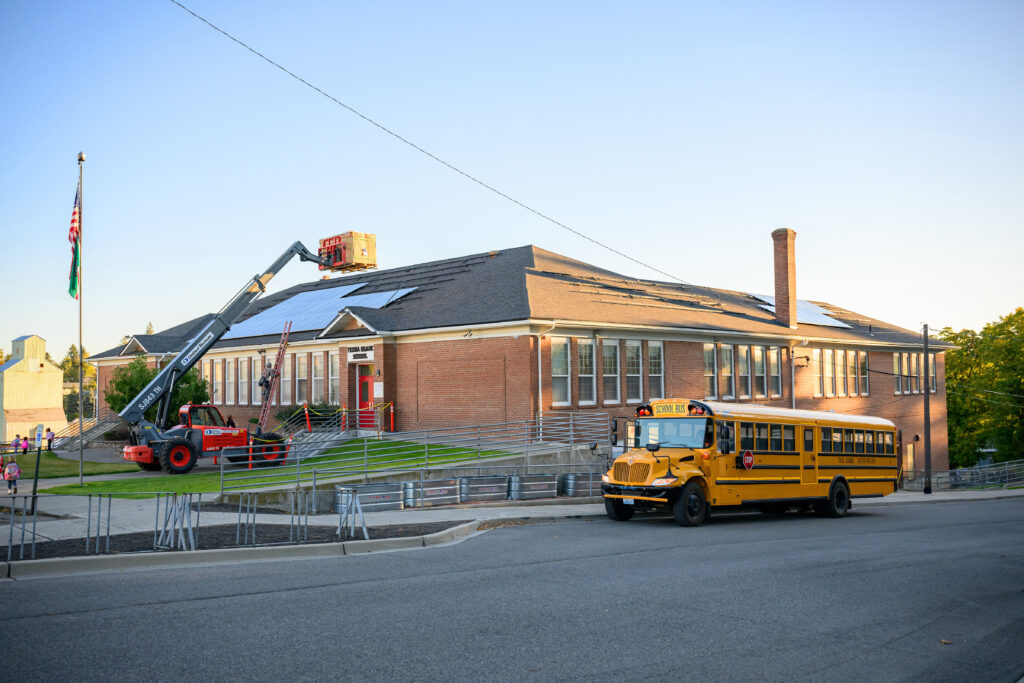
The Harrington School District in eastern Washington was the first installation completed. Some options being considered to benefit its 105 students are weekend food programs, technology upgrades, and field trips and experiences, said Courtney Strozyk, superintendent and principal.
About 20 schools are signed up for the project called The Giving Grid, with more expressing interest. These schools are expected to achieve nearly $20 million in energy bill savings over the expected 30-year life of the systems, said David Funk, president of Zero Emissions Northwest, the company that’s leading the project with Partners for Rural Washington.
Just as importantly, it’s making renewable energy more widely available.
“It’s part of the magic,” said Georgine Yorgey, director of the WSU Energy Program. “Schools can benefit that would never be able to install infrastructure like this on their own. And many rural schools have high populations of low-income students who really could benefit.”
A land-grant university has resources that are not otherwise available to communities. We can bring these resources to bear to help local communities improve their quality of life.
Michael Gaffney
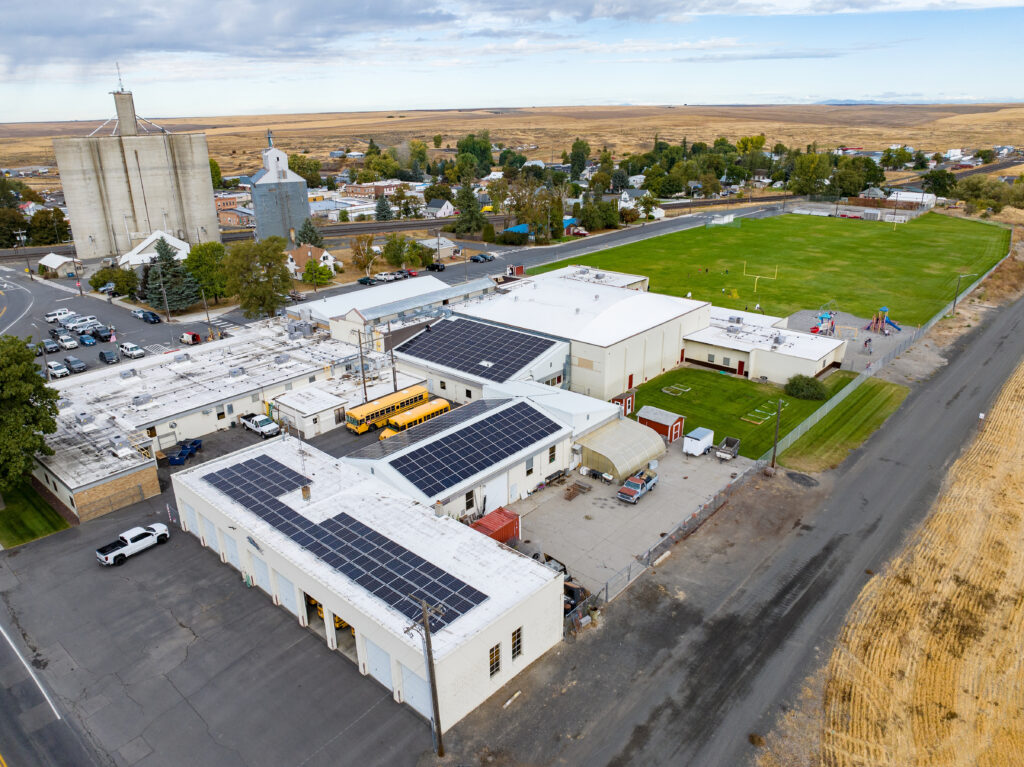
Under the program, solar systems are installed on or near participating schools. Utilities receive a state tax credit and reimburse the partners for the school solar installations. The WSU Energy Program handles the administration, tapped by the Washington legislature because of its decades of experience in energy initiatives. The program is part of WSU Extension and supports partners throughout the state in developing resilient and reliable energy sources.
“A land-grant university has resources that are not otherwise available to communities,” said Michael Gaffney, associate director of WSU Extension. “We can bring these resources to bear to help local communities improve their quality of life.”
Once installed, the solar systems could lead to other upgrades, like battery storage, so that the schools can be used as emergency shelters during extended power outages.
Said Funk, these rural schools are “a beating heart of the community. They’re a huge nexus of community, children, education, and they do so much more than teach.”
Explore WSU News to learn more about how WSU’s impact goes beyond the numbers.
WSU Delivers
Trending






Want to read more?
Check out the full article on the original site