UAE Demands Guaranteed Access Through Strait Of Hormuz In US-Iran Talks
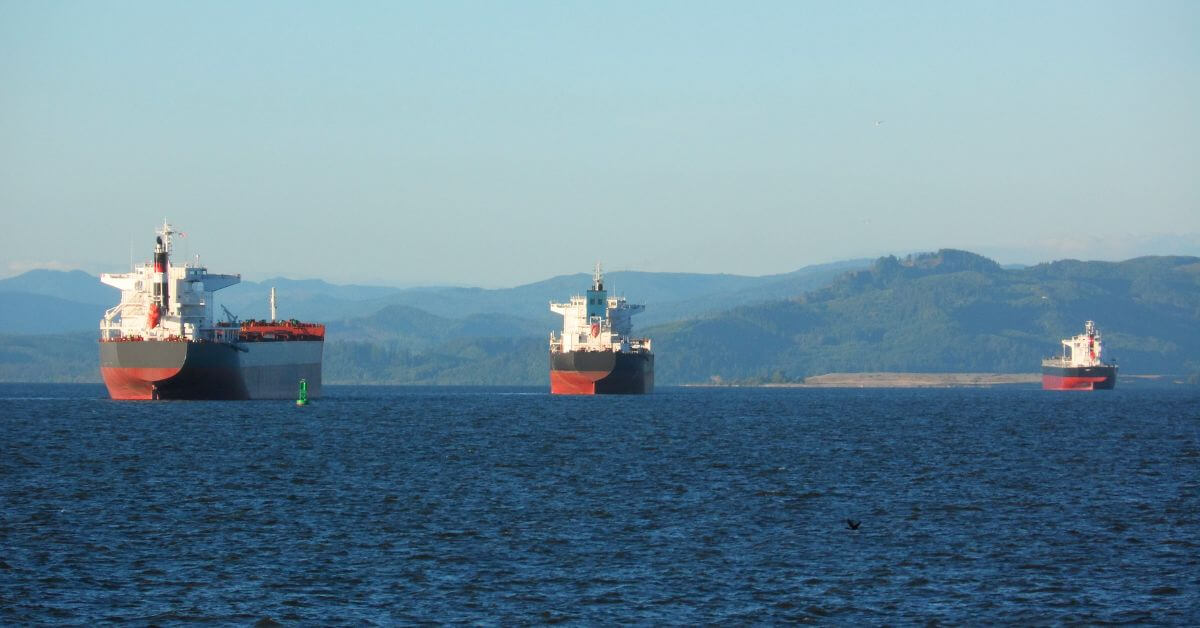
The United Arab Emirates has said that any settlement between the United States and Iran must guarantee access through the Strait of Hormuz, warning that failure to address key issues could make the Middle East more unstable.
Anwar Gargash, diplomatic adviser to the UAE president, said the Strait cannot be used as leverage in political negotiations. He said its security is not just a regional concern but a global economic necessity, as a large share of the world’s oil and liquefied gas moves through this route.
He said the Strait “cannot be held hostage by any country” and added that freedom of navigation must be clearly included in any agreement to end the conflict. According to him, there must be a firm understanding that ships can pass safely through the waterway.
Gargash said the UAE wants the war to end but warned that a simple ceasefire would not be enough if the main causes of tension are not addressed. He pointed to Iran’s nuclear programme, along with its missiles and drones, saying these remain serious concerns as attacks continue in the region.
Fighting has continued for more than five weeks, with the United States and Israel carrying out strikes on Iran, targeting what they describe as threats linked to nuclear weapons development, ballistic missiles and support for proxy groups.
The conflict began on February 28 after talks on a nuclear deal between Washington and Tehran failed.
Iran responded with missiles and drones aimed at Israel, US bases and key infrastructure across the Gulf, including ports, airports and commercial centres.
US President Donald Trump has warned Tehran to reopen the Strait of Hormuz and reach a deal, saying there would be further action if it does not comply. He also threatened additional strikes on Iran’s energy and transport infrastructure.
Gargash said the UAE is ready to support any US-led international effort to secure shipping through the Strait. He added that recent developments have already reduced vessel traffic, which has affected global energy flows.
Around one-fifth of the world’s oil and liquefied gas supplies usually pass through the Strait of Hormuz every day. Disruptions in this route have raised concerns over a wider energy crisis and increased pressure on global markets.
Regional officials said Iran’s attacks on shipping routes and energy facilities seem aimed at increasing pressure on Gulf countries that support the United States.
By targeting oil facilities, ports and key waterways, including the Strait, Iran is believed to be trying to push Gulf states to pressure the United States to stop its military campaign.
Officials said the UAE has been hit harder than other Gulf countries. Gargash said that earlier, a direct attack from Iran was seen as unlikely, but that is now happening. He added that the country is handling the situation and staying strong, though challenges continue.
He said the UAE’s economy is stable and can recover, but it will take effort. He also noted that Iran’s actions could strengthen security ties between Gulf countries and United States, increasing the US military presence in the region and expanding Israel’s role.
Gargash said the United States will remain the UAE’s main security partner and that Abu Dhabi plans to deepen that relationship as threats increase.
He added that Gulf countries had tried to maintain ties with both the US and Iran in recent years, including restoring diplomatic relations with Tehran, but these efforts have not stopped the current escalation. Many had hoped this approach would reduce risks and protect their economies.
According to Gargash, Iran’s leadership is focused on preserving its system of governance rather than protecting the country as a whole. He said the UAE does not seek conflict with Iran but added that trust is not possible under the current leadership.
He also thanked international partners for their support, calling France a reliable ally and praising the US for improving the UAE’s air defence systems.
The Strait of Hormuz remains very important, as its security is directly linked to global trade and energy supplies. Any agreement between the US and Iran will be closely watched by the shipping industry, as keeping this route open is critical.
References: Reuters, Economic Times
Want to read more?
Check out the full article on the original site