At Least 44 Iranian Seafarers Dead, 29 Injured In U.S.-Israel War On Iran, Union Files Complaint To IMO
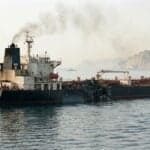


At least 44 Iranian seafarers have been killed since the start of the United States-Israel conflict involving Iran, according to the country’s merchant marine union, which has raised the issue with global maritime authorities.
Saman Rezaei, general secretary of the Iranian Merchant Mariners Syndicate, said the deaths took place between February 28 and April 1.
The list includes 22 civilian sailors, 16 fishermen and six dock workers. He also said that 29 people were injured and nine are still missing.
Rezaei stated that the data was compiled using information from the Iran Ports and Maritime Organization and members of his union. He added that the figures have not been independently verified and do not include any Iranian navy personnel.
He submitted the details in complaint letters to the International Maritime Organization, blaming attacks by US and Israeli forces on Iranian ports and commercial vessels in the country’s territorial waters and the Gulf.
The Iranian Merchant Mariners Syndicate is linked with the International Transport Workers’ Federation and represents seafarers in dealings with shipping companies.
Since the conflict began, the union has also been helping stranded crew with medical, humanitarian and repatriation support.
Rezaei said the situation has affected all seafarers operating in the Persian Gulf, but Iranian crews are facing added pressure.
He pointed to supply shortages and said many seafarers have been under severe mental stress after being stuck in a conflict zone for around 60 days, stretching from the Gulf to the Indian Ocean.
According to the Armed Conflict Location & Event Data Project, more than 3,000 air strikes have been carried out across Iran since February 28, while Iran has launched nearly 1,600 retaliatory strikes across the Middle East.
A ceasefire between the US and Iran came into effect on April 8, but tensions at sea have continued.
On April 13, the US announced a naval blockade on Iranian ports aimed at restricting oil exports and pressuring Tehran to reopen the Strait of Hormuz.
The Strait of Hormuz, through which about one-fifth of the world’s energy supplies usually pass, has effectively been shut since the conflict began.
Around 20,000 seafarers have been stranded in and around the area for nearly two months.
Even after the ceasefire, incidents have continued. Iranian forces have reportedly fired at ships trying to leave the strait and seized two cargo vessels flying Panama and Liberia flags on April 22.
US forces also stopped the Iranian-flagged vessel MV Touska in the Gulf of Oman on April 19. The United States Central Command said the ship had violated its naval blockade.
The vessel was also said to be under US sanctions due to a previous history of alleged illegal activity.
Rezaei said there were 23 crew members, two cadets, two women and one child on board the Touska, although these numbers could not be independently confirmed.
He added that six people, including the two women and the child, were later released and returned to Iran.
The International Maritime Organization has also indicated that Iranian actions against vessels in the Gulf or those trying to pass through the Strait of Hormuz have led to at least 10 more seafarer deaths since the conflict began.
The agency has not issued a direct response to the latest claims.
Stephen Cotton, general secretary of the International Transport Workers’ Federation, said seafarers on both sides of the conflict are civilians.
He noted that while ships may be flagged to certain countries and affected by sanctions, the people working on them should not be treated as part of the conflict.
The situation continues to disrupt shipping in the Gulf, with ongoing risks for commercial vessels, port operations and crew safety in one of the world’s busiest maritime routes.
Reference: Al Jazeera
Want to read more?
Check out the full article on the original site