U.S. Warns Shippers Paying Iran For Safe Passage Through Hormuz Could Face Sanctions
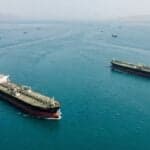


The United States has warned shipping companies that any payment made to Iran for safe passage through the Strait of Hormuz could lead to sanctions, even if the money is routed through charities or indirect channels.
The warning was issued by the Office of Foreign Assets Control (OFAC), which said both U.S. and non-U.S. entities could face penalties if they make such payments or seek guarantees from Iran for safe transit.
It added that the risk remains the same regardless of how the payment is structured.
The Strait of Hormuz is one of the world’s most important shipping routes, with about 20% of global seaborne crude oil and liquefied natural gas passing through it.
Any issue in this narrow waterway can directly affect global energy supply and freight movement.
According to the advisory, Iran has been asking vessels to pay for safe passage through the strait.
These demands may come in different forms, including cash payments, digital assets, informal swaps, offsets, or other in-kind arrangements.
OFAC said even payments described as charitable donations fall under sanctions risk. It specifically mentioned donations to groups such as the Iranian Red Crescent Society, Bonyad Mostazafan, or Iranian embassy accounts.
The U.S. clarified that these types of payments are not allowed, even if they are presented as humanitarian or indirect transactions. Companies involved in such deals could face enforcement action.
While the Treasury did not name any companies or countries, there have been reports that at least one vessel paid around $2 million to pass through the strait.
The Strait of Hormuz has remained under close watch, with a U.S. naval presence continuing for weeks as talks between Iran and the United States remain uncertain.
Iran has earlier suggested charging transit fees as part of its proposals to end the conflict, but Washington has rejected the idea.
At the same time, Iran has reportedly sent a new proposal for negotiations through Pakistani mediators.
U.S. officials have not confirmed details, but said discussions are ongoing. Both sides have mostly paused direct attacks since early April, though no final agreement has been reached.
OFAC also announced new sanctions on three Iranian foreign exchange houses, saying they are involved in handling large volumes of transactions each year.
It also sanctioned a Panama-flagged oil products tanker named NEW FUSION for its links to Iran-related activities.
U.S. Treasury Secretary Scott Bessent said the U.S. would continue targeting networks that help Iran move money and avoid sanctions, including those involved in such shipping-related payments.
Analysts say countries like China, which is a major buyer of Iranian oil, are likely to continue purchases unless stricter measures are taken against banks. However, such steps could affect relations between Washington and Beijing.
References: Reuters, Al Jazeera
Want to read more?
Check out the full article on the original site