Erin Walsh On Styling Celebs, The Met Gala & 'The Devil Wears Prada' Life At Vogue

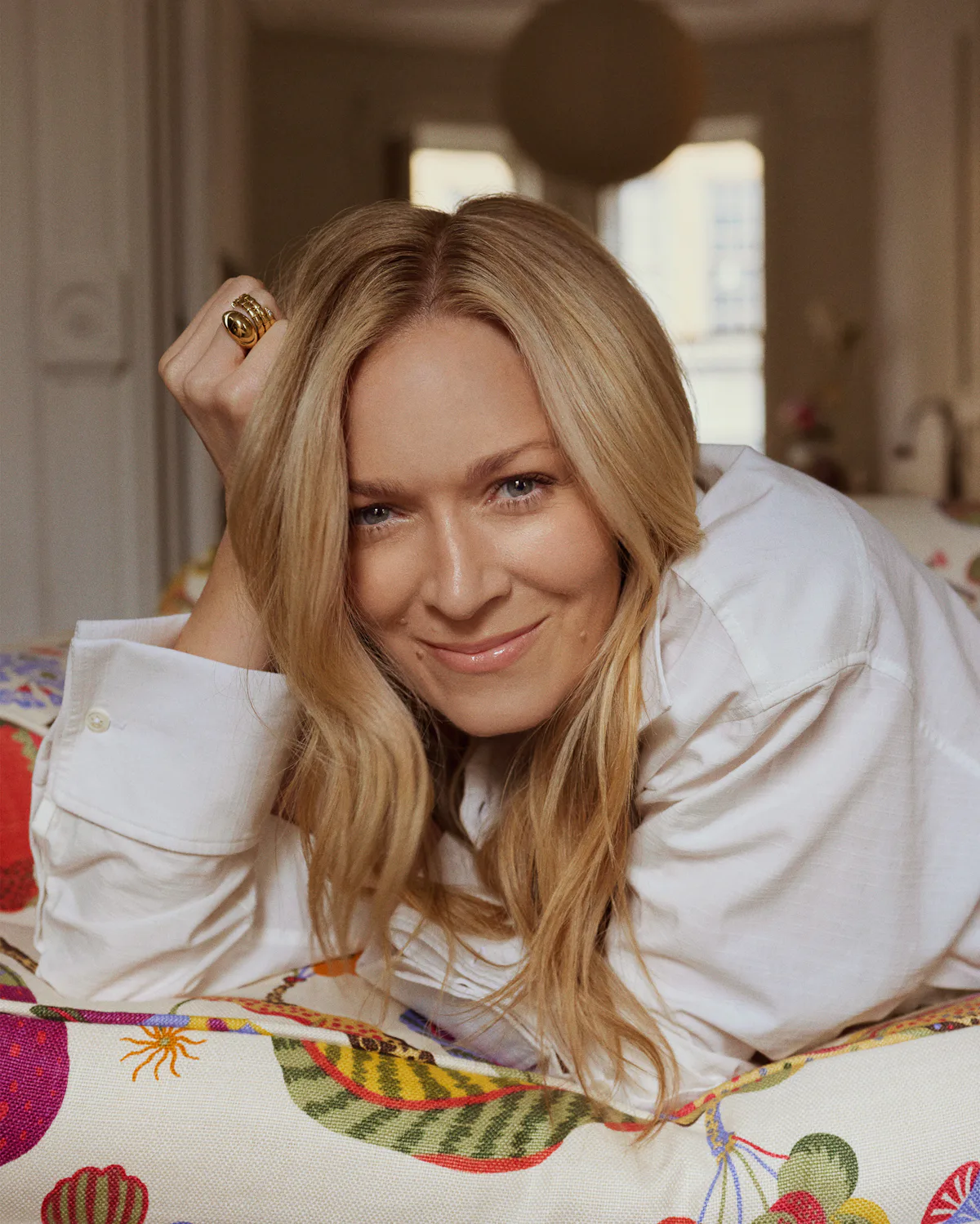
Two weeks before The Devil Wears Prada 2 hit theaters, Anne Hathaway’s stylist, Erin Walsh, asks if I want to see “something insane.” We’re hiding out in the corner of a hotel lobby, perched on a gray sofa on a gray rug on a gray day in Manhattan. What could possibly be “insane” here — a magenta velvet throw pillow? But Walsh cocks her blonde ponytail in a “follow me” gesture and punches some elevator buttons. The doors open to reveal the offices of Runway, the fake magazine based on Vogue that drives both the original TDWP and its sequel. “They rebuilt the movie set here for our press junket,” she says, pointing out the gleaming racks of the faux fashion closet; the white-on-white office of Anna Wintour avatar Miranda Priestly where Hathaway will sit for interviews; and the pile of actual Prada bags and shoes culled from the vintage boutique What Goes Around Comes Around. “Honestly, the whole Devil Wears Prada thing is so meta to me,” says Walsh, who herself got her start as a fashion assistant at Vogue. “I mean, I used to work here. Now, I guess, I work here again.”
Walsh describes the return to this stiletto-pierced chaos as almost Buddhist. “We’re always put back to where we’re meant to learn the most,” she says. And to the 42-year-old stylist, who also counts Selena Gomez and Mindy Kaling as clients, fashion is both a job and a spiritual cycle. Also: a platform for her new self-help book, The Art of Intentional Dressing, which hits shelves today after nearly a decade in development. Walsh’s career spans double that, beginning with her couture-hauling days for legendary fashion editors like Phyllis Posnick and Samira Nasr and then gradually acquiring Hollywood clients for their red carpet appearances and press tours. With The Art of Intentional Dressing, published this week by Harper One, Walsh may capture a bit of the same spotlight that she helps claim for her megawatt clients. But instead of using her proximity to the superfamous and un-gettable Dior bags as a launchpad for, say, the Bravo-verse, Walsh is gunning for something more subtle: to be the world’s self-appointed “fashion therapist” who helps turns clothes into emotional success, transforming your life (and ideally, her grip on pop culture) in the process.

Today, Erin Walsh is a top stylist with Hollywood Reporter covers, best dressed accolades, and — as her Oscar-winning client Ariana DeBose tells me — “a girl’s girl who can single-handedly understand what will look good on my body but also make me feel good in my body, which is an incredible talent.”
But before then, Walsh was a kid North Palm Beach, Florida, where she delighted in thrifting vintage Chanel heels and little black Valentino dresses from local charity shops. Though she always loved fashion, Walsh initially moved to New York City to study theatre at NYU, arriving on campus during the same mid-2000s era as Aubrey Plaza, Ashley and Mary-Kate Olsen, and Lady Gaga. “I thought I would be an actress,” she says. “I… well… I was not an actress. And I had to find something to do.”
Intrigued by the world of magazines — and encouraged by classmates who had completed internships at various glossies — Walsh applied to work as a receptionist at Vogue publisher Conde Nast through a local staffing agency. “We would float through all the magazines and just fill in and do daily tasks,” she recalls. While temping, Walsh heard about a full-time job in Vogue’s fashion closet and applied. When she graduated in 2004, it became her first job out of college. “Very quickly, I learned that the word ‘no’ didn’t exist at Vogue,” she says. “If the fashion editors needed something — anything — you would get it. And that’s really translated into my work as a stylist. We don’t say ‘no,’ we say, ‘OK, how?’ Looking back, my God, it was incredibly intense, incredibly intimidating, a lot like what happens in The Devil Wears Prada. You never think you’re good enough to be there. But it was also incredible. I didn’t miss acting at all. I knew the fashion closet was where I was supposed to be. You were building whole worlds in there.”
“I think of that girl who worked at Vogue and really believed she wasn’t enough. I don’t want anyone to feel that. Fashion is a way to help stop those feelings.”
Like DWP heroine Andy Sachs, Walsh eventually found herself confronting burnout and self-doubt while grinding through 20-hour days at Vogue. “It was not working out for me there,” Walsh tells me over the phone a few days after our first meeting. “I quit, but my boss, to be honest, she really didn’t like me as her assistant. I knew she wanted me gone, so I left. And I swear, I consider this one of my big breaks.” Walsh believes that if she hadn’t been pushed out of Conde Nest, she wouldn’t be talking to me on speaker phone while lugging a super-secret Met Gala look up the stairs of her gorgeous Brooklyn townhouse. “Listen, at the time, it was devastating,” she confirms. “But it set into motion a chain of events that led us here. So let’s talk about ‘big breaks’ because often the getting-broken part is also the break.”
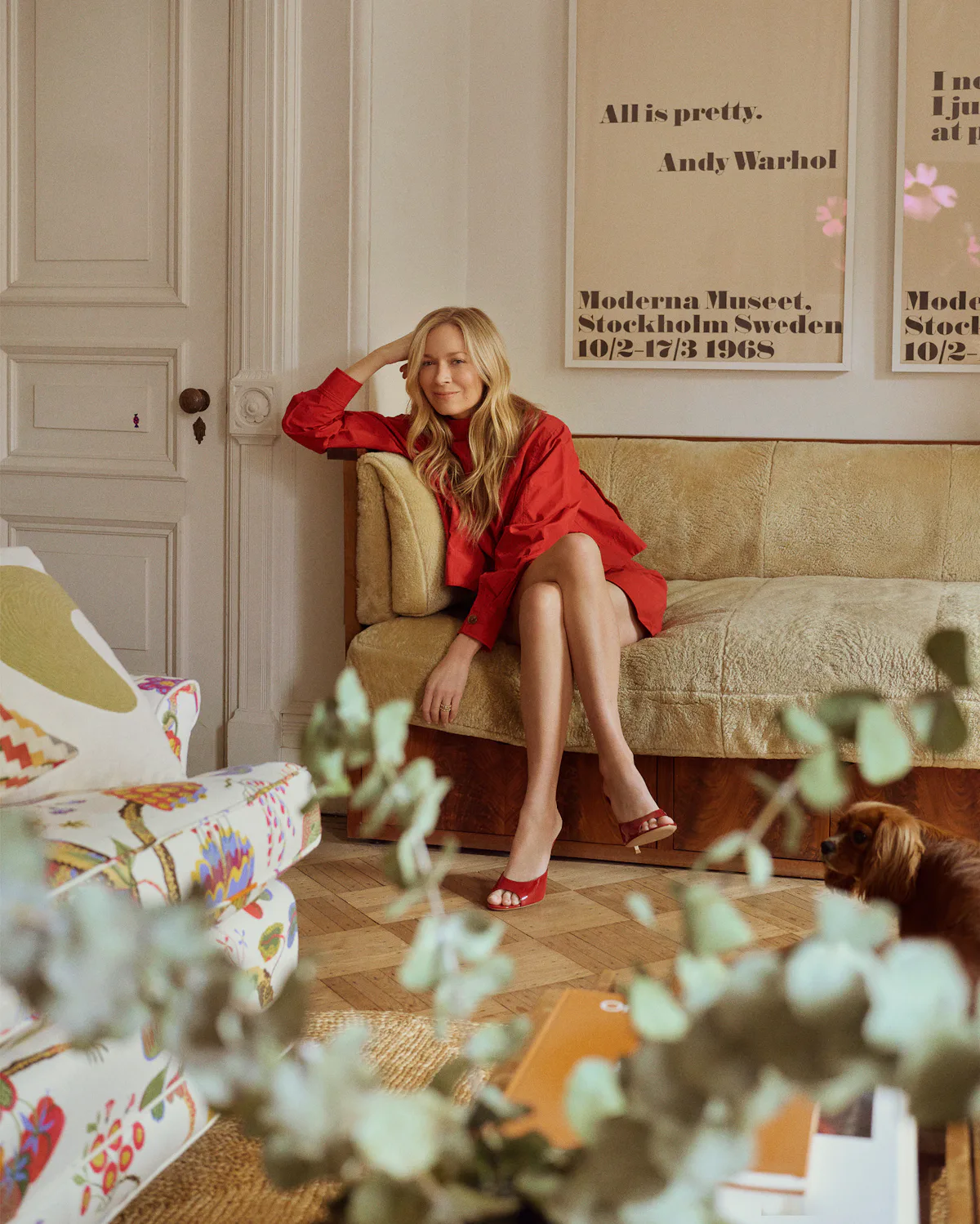
Leveraging her network of peers from her Vogue days to connect with working stylists, Walsh assisted on shoots for fashion magazines, TV commercials, and catalogs, eventually getting hired by clients to manage the looks herself. “I had a few clients — Kristen Wiig and Jason Sudeikis during [their] SNL days; the Bridesmaids press tour for Kristen, which was a very big deal to me — but I didn’t even have an agent,” she says. “I’d been sending my book around for years trying to get signed but nobody was interested.”
Until 2012, that is, when one of Walsh’s former bosses — the respected stylist Samira Nasr, who is now the editor in chief at Harper’s Bazaar — introduced her to actress Kerry Washington. “She said, ‘You know, my friend Kerry needs to clean out and update her closet. Can you help her with that?’ And I was like, ‘Sure, why not? Sounds fun.’” The process ended up being more transformative for Walsh than for Washington’s wardrobe. “It just felt like magic. We had this weird synergy right at the beginning,” Walsh says. Washington mentioned that she had to get dressed for a TV premiere — a pilot episode for a show called Scandal that had just been greenlit on ABC. She also needed some gowns for the press tour of Django Unchained, the Quentin Tarantino movie she starred in with Jamie Foxx and Leonardo DiCaprio. Walsh pulled unexpected showstoppers, like a billowing white couture gown by British designer Giles Deacon that was printed with a faded painting of a running horse, and peplum-happy white suits by Michael Kors and Altuzarra accented with graphic Chanel clutches and candy-colored Prada heels. “Kerry called us ‘fashion twins’ in the Hollywood Reporter, which I think is about right,” says Walsh. “And that work finally, finally, got me signed to an agent.”
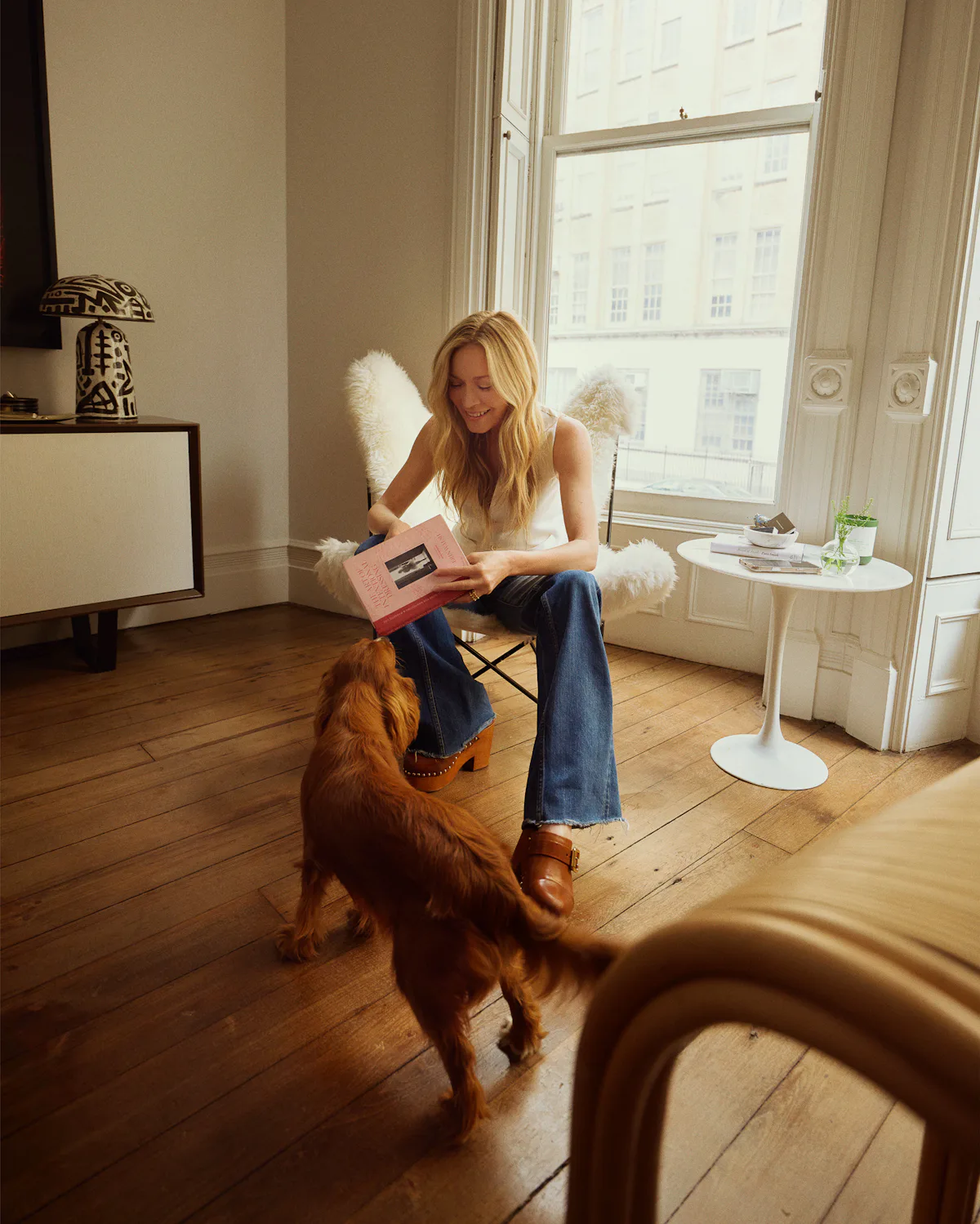
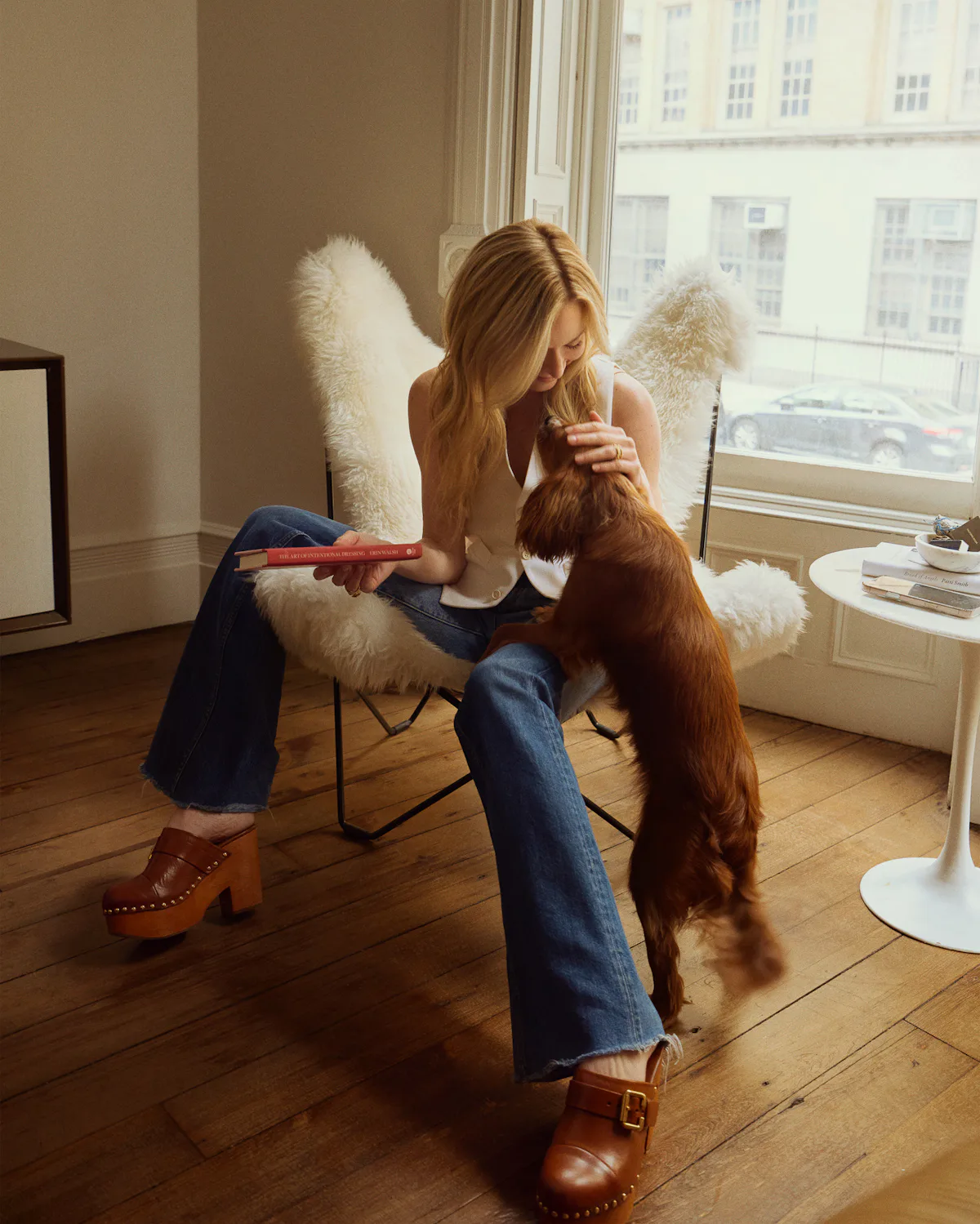
As Walsh worked with more and more actors — Ashley Park, Sarah Jessica Parker, Greta Lee, Selena Gomez, and even Timothée Chalamet — she realized that “they all had the same problem as my aunts in the midwest, which was just, ‘Hey, getting dressed makes me feel bad about myself.’” She began wondering if she should — if she even could — write a book that could help people feel less anxious about choosing their own clothes. “She’s very spiritually sound, very wise,” DeBose says of working with Walsh. “Once we started working together, I would be like, ‘Erin, can I put you in my pocket and take you around with me to give me advice? What’s your take girl? What should I do?’ She really just has such a good head on her shoulders.”
“One of the best things about our industry is that you can’t be everyone’s stylist. There’s room for everyone.”
Because of her growing celebrity clientele, Walsh began to spend more time in Los Angeles, eventually relocating from New York with her husband, photographer Christian Hogstedt, whom she met on a shoot. “I do love the many ways that people access their spirituality out there,” says Walsh, who was raised Catholic but now gravitates to a more encompassing “universal oneness.” She found herself exploring the work of psychic medium Laura Lynn Jackson and holistic neuroscientist Dr. Tara Swart, and wondering if their theories — that colors carry distinct energies; that setting small intentions can lead to larger personal shifts — could be applied, somehow, to fashion. Walsh admits with a laugh that this might sound “a little culty,” but she couldn’t shake the idea that it belonged in a book.
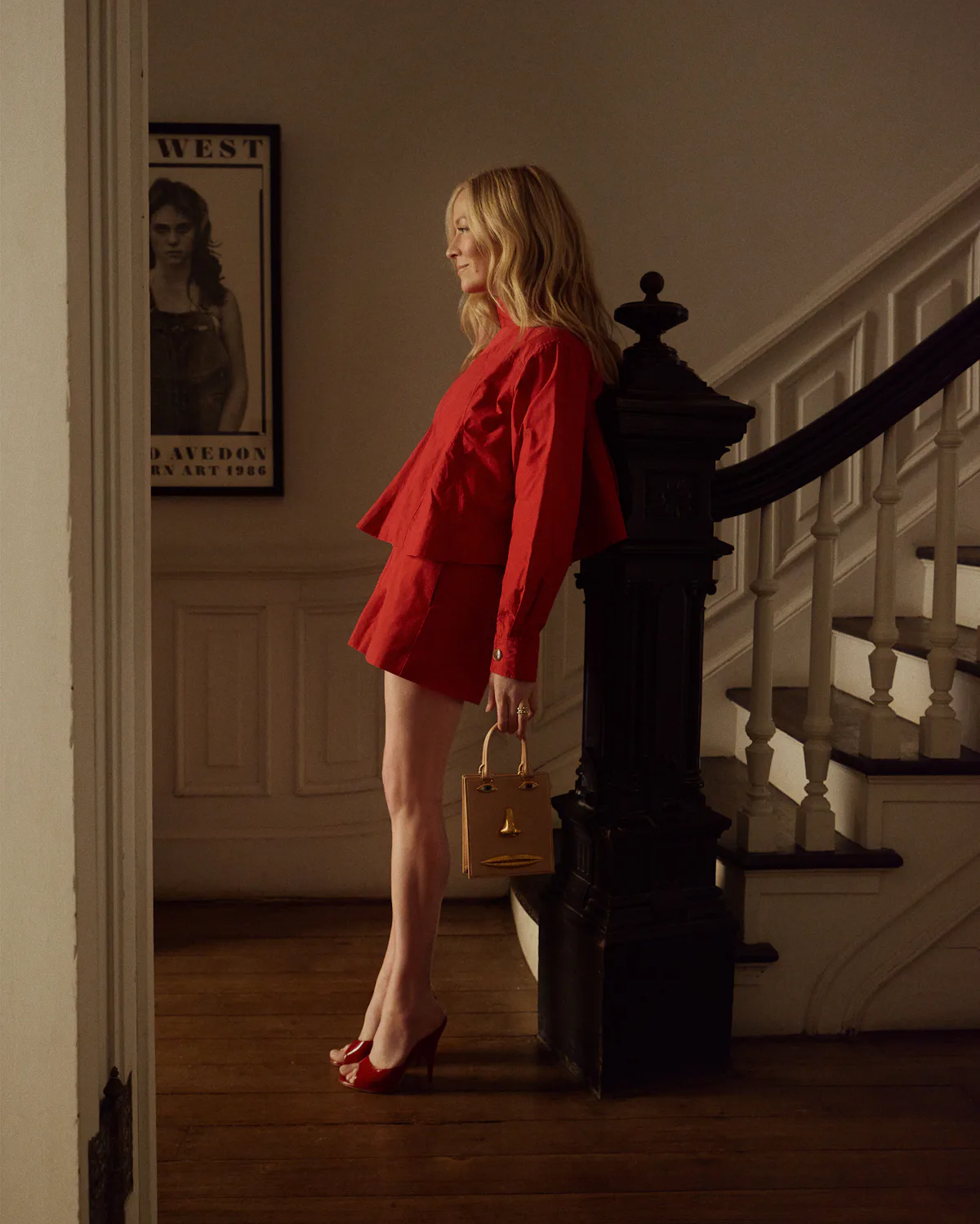
Walsh had been asked about doing a book or even a TV show before. After all, celebrity stylists from Rachel Zoe to Law Roach were publishing style guides and memoirs to rapt audiences. The problem, Walsh says, is that she couldn’t really do a “crazy fashion book” because her on-the-job mishaps have been “the usual” stuff: a snapped heel, a torn hemline, or an early-career shoot on an African safari where a trunkload of $1,200 designer heels was mistakenly left within pouncing distance of the lions. (Look! It’s a Louboutin! Oh my God.)
Instead, she wanted a book that could “use fashion as a tool for healing. I think of that girl who worked at Vogue and who really believed she wasn’t enough. She didn’t look good enough, she didn’t belong somewhere important or powerful. I don’t want anyone to feel that. Fashion is a way to help stop those feelings.”
During the pandemic, Walsh realized she could distill her own personal dressing process into something she calls “the CREATE method” — an anagram for clarity, ritual, editing, alignment, truth, and expansion. In each chapter, Walsh guides readers through another task, like matching one’s chakras to existing silhouettes. (Example: The solar plexus chakra for “power and confidence” can be harnessed with “70s-style trousers that demand platform heels — structure meets power.”) She also procures advice from fashion mavens like Michael Kors, Zac Posen, Zanna Roberts Rassi, and Iris van Herpen.
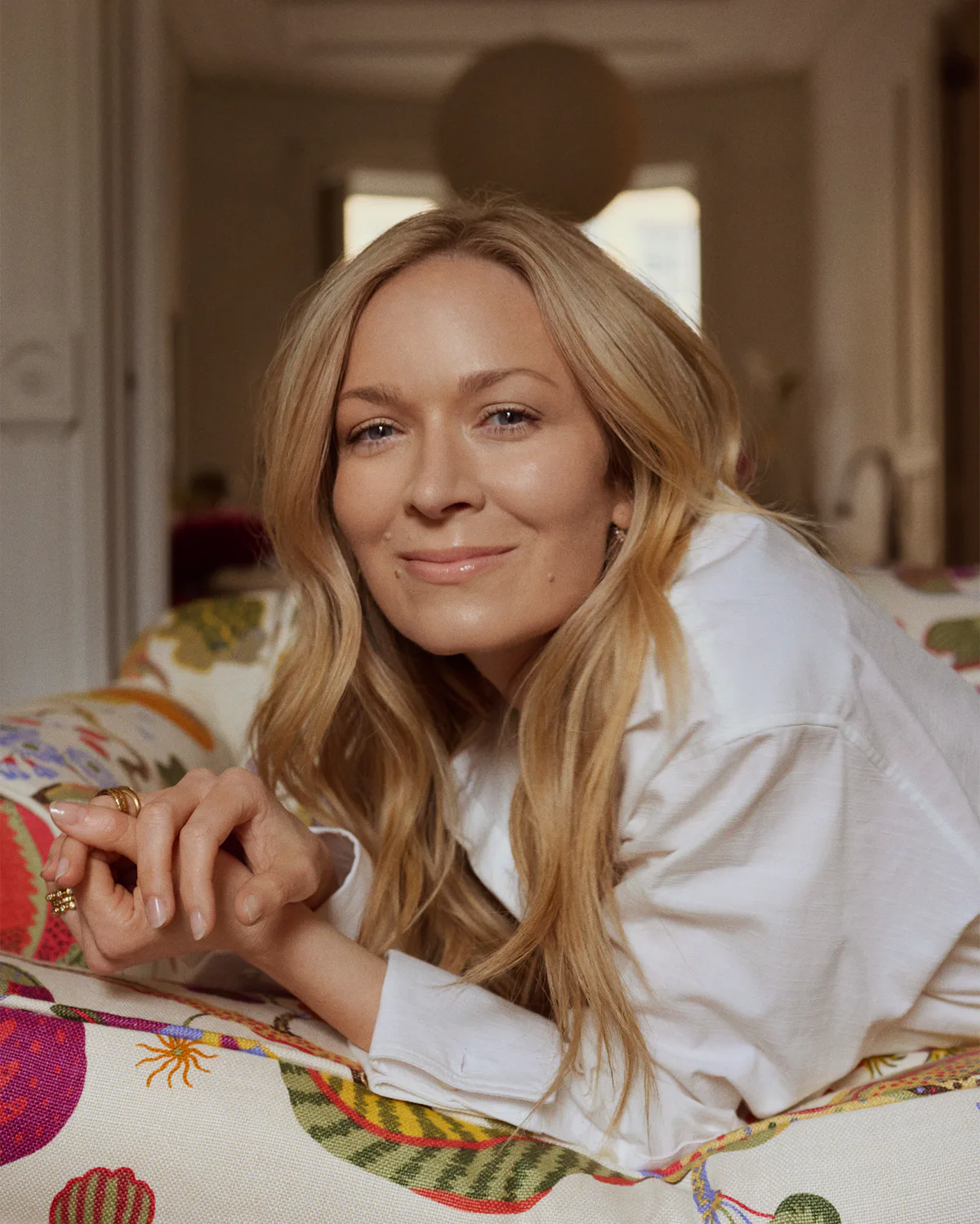
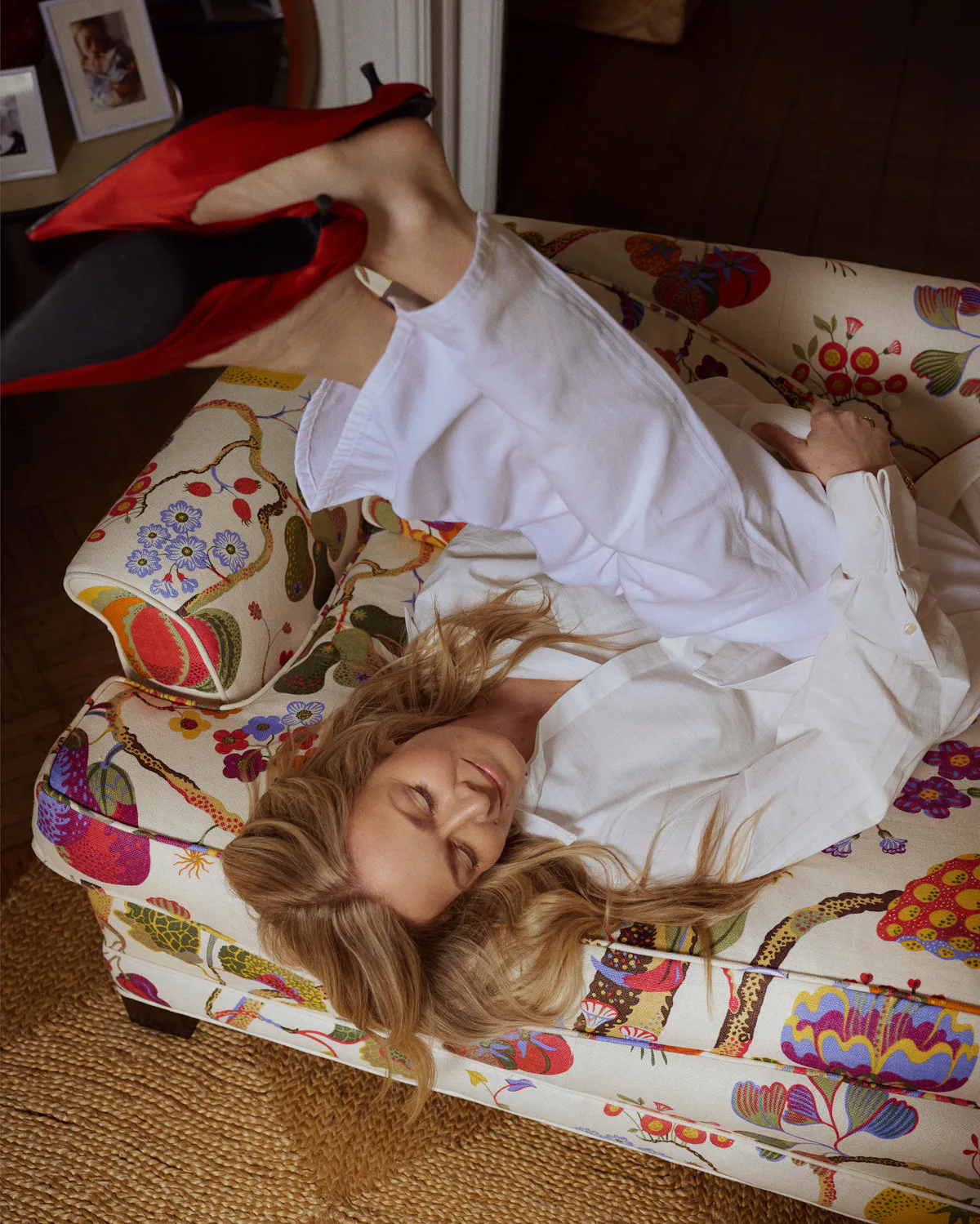
“I always ask the universe for guidance, and I was sitting in a cafe in the West Village waiting for my friend,” she tells me back at the hotel. “I was thinking about getting this book started, and I just wrote out, like, ‘How am I going to create what I believe in?’ And I kept circling the word ‘create’ over and over and then I wrote the acronym. It just came right out like it was bigger than me. Like it had to be there.” She pauses for a moment and adjusts her cookie-coloured Chanel pump, the hot new one by Matthieu Blazy that nobody can find in the boutiques. “Do I sound like a weirdo?” she asks earnestly. “I know I sound like a weirdo.”
“Let’s talk about ‘big breaks’ because often the getting-broken part is also the break.”
There’s precedent to Walsh’s idea that clothes are ladders to a higher self. Modern psychologists, for one, love to yap about “enclothed cognition,” the 2012 theory by two Northwestern University researchers that posits what we wear influences not just how we feel, but how we behave and what we accomplish. Earlier books like White Walls, Designer Dresses (Mark Wigley, 1995) argue that fashion, like architecture, can shift how one moves the body, and therefore, how one shapes the world. The French architect Le Corbusier said “the house is a machine for living,” but Walsh — and many others — would argue that so is a dress. In 2025, the British psychologist Shakaila Forbes-Bell published Big Dress Energy, a book that takes on the multitudes of scientific studies about clothing and cognitive performance, exploring how much emotional and intellectual mileage we can really get out of a perfect Khaite sweater. (Spoiler: Actually, a lot.) In October of 2024, the British designer Bella Freud launched Fashion Psychology, a podcast where guests like Kate Moss and Rick Owens crashed on her couch and confessed the way clothes make them feel. And English lit majors might remember Virginia Woolf’s quote from “Orlando” (1928) that “clothes are but a symbol of something hidden deep beneath.”
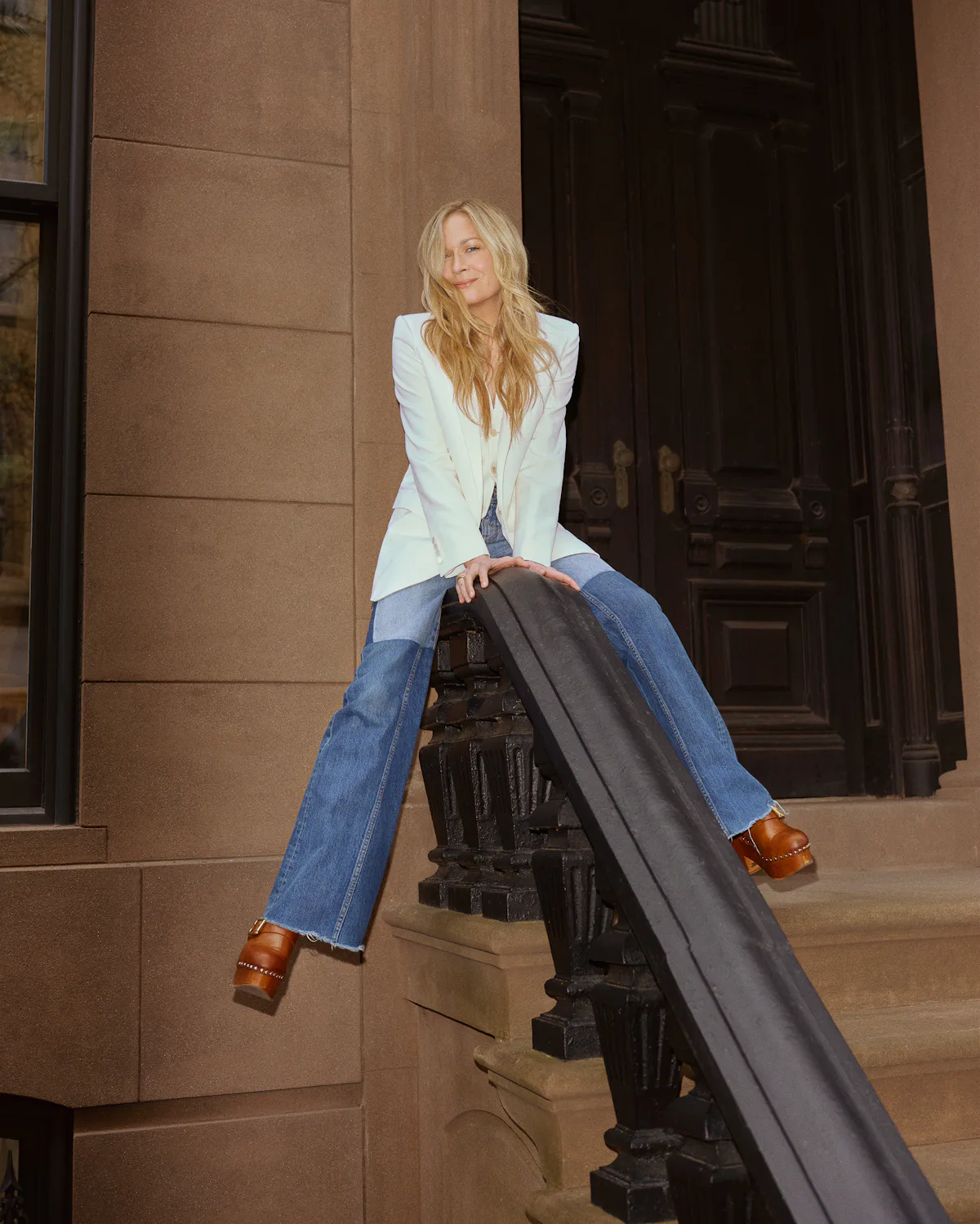
In other words, if Walsh is a “weirdo,” she’s one with a lot of evidence to back up her idea that one flawless $30 Gap t-shirt might be worth one $300 session with a therapist — or at least one 30-minute session in a sound bath. DeBose describes one instance where she was feeling stuck, both artistically and emotionally. Walsh encouraged her to embrace something that DeBose used to love — in her case, wearing sparkles — but experiment with a more adult version of the look. They settled on a white structured Georges Chakra couture gown embroidered with tiny glass flecks that mimicked ice on winter tree branches. “Erin said, ‘Try this,’ and she was right,” recalls DeBose. “That gown had everything that I needed to feel different, but still myself. I was able to walk into the room and just own what I do. It was such a moment.”
Walsh is currently working to turn the CREATE method into an app, which she hopes will eventually involve outfit curation and shopping as well as mindfulness and wellness practices connected to getting dressed. “But you have to back up [getting dressed] with self-work,” Walsh reminds me. “What do these clothes mean to you? How are they going to help you accomplish who you want to be?”
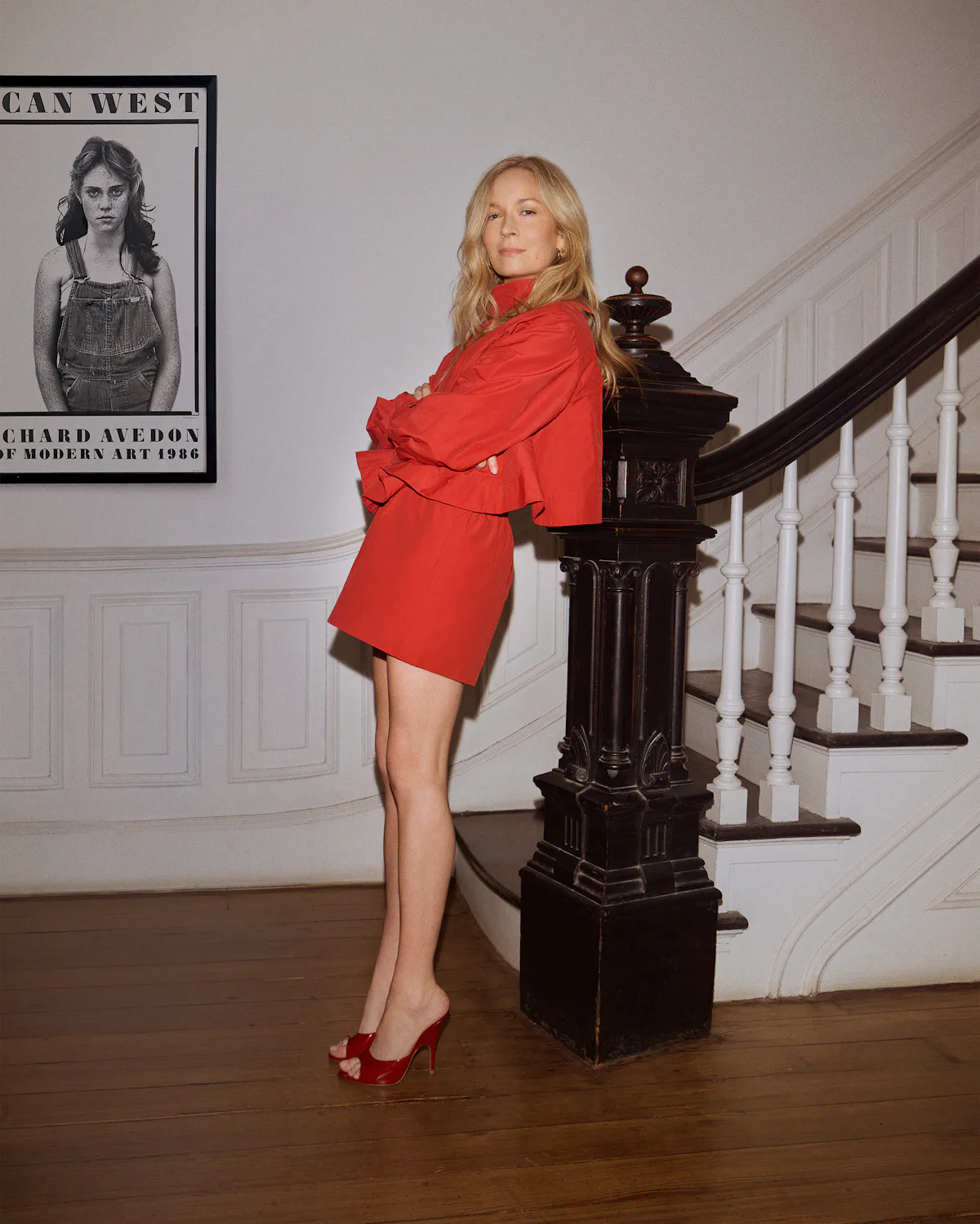
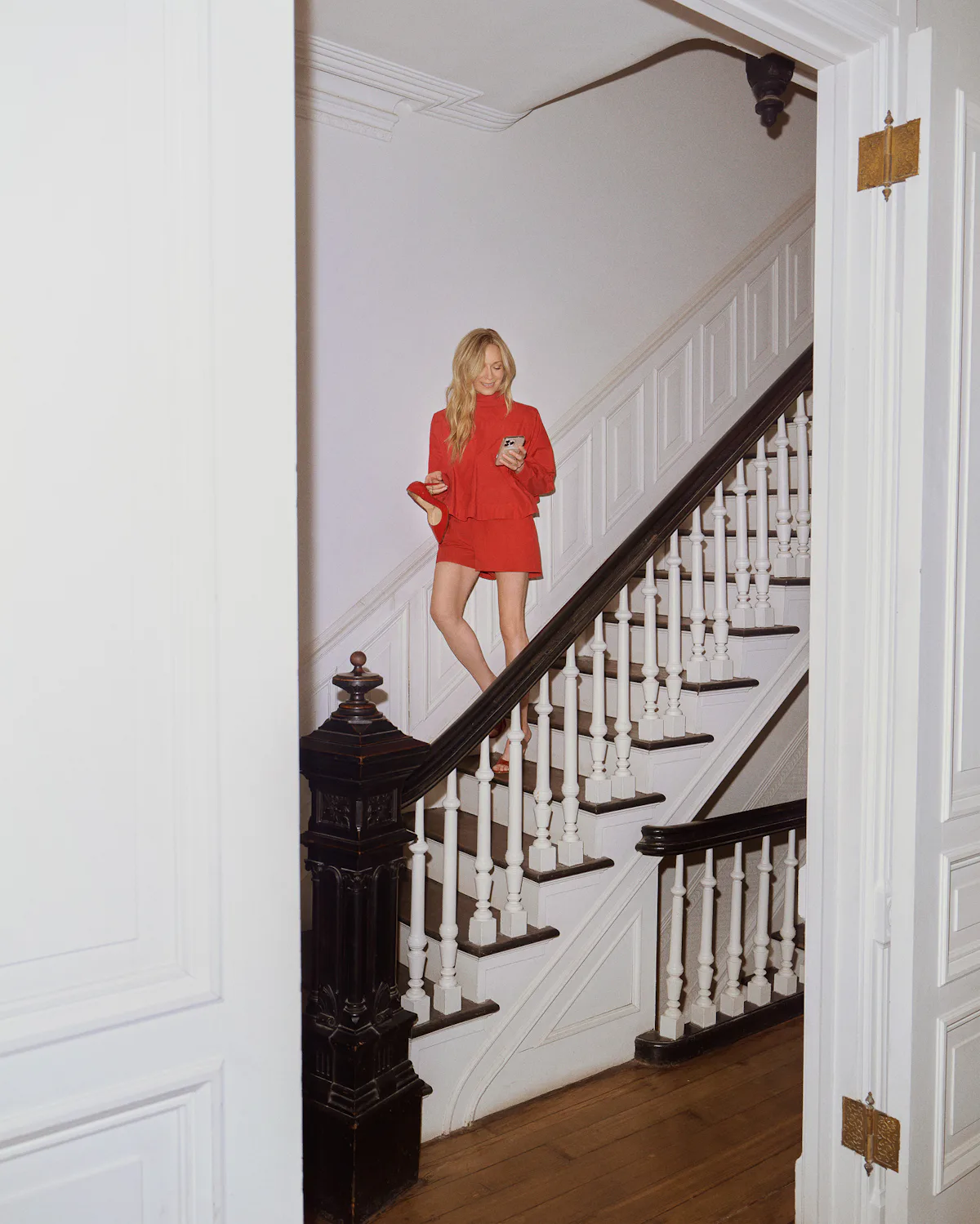
At the end of our interview, I ask Erin Walsh if fashion has limits. She’s going straight from Anne Hathaway’s looks for The Devil Wears Prada 2 press junket to Hathaway’s looks for the Mother Mary press junket; she also styled Hathaway for the Met Gala (where the actor wore custom Michael Kors with Bvlgari jewelry). Can the perfect outfit really prevent fatigue, anxiety, and brain freeze in the middle of a hectic and draining time?
“The clothes themselves can’t,” Walsh says flatly. Red carpets have turned into “extremely high-pressure marathons” because of major studio investments, a never-ending cycle of on-camera interviews, and the emergence of “method dressing” — the practice of movie stars dressing like their characters, as epitomized by Margot Robbie during the Barbie press tour. Walsh even admits that even before our meet-up, “I felt overwhelmed and exhausted and jet lagged.”
So she took a moment to visualize how she wanted to feel — “calm and empowered and elegant” — and selected a crisp white shirt, a poppy red wool sweater, a tweed miniskirt, an oversize navy blazer, a gold pendant that belonged to her beloved grandmother, and those taupe-and-black Chanel pumps that only famous people can get right now. Walsh imagined the stronger, fresher, more confident feelings taking hold of her body as she slowly got dressed. “Do I still need coffee and eventually, rest? Of course,” Walsh says. “But now I can move through the day as the best version of who I am right now. That’s definitely enough.”
And what advice does she have for budding stylists hoping to get the job a million girls would kill for — that of a celebrity stylist working on a high-profile press tour? “First, always be kind and support other people in the industry. Whatever industry you work in, but especially fashion!” she proclaims. “One of the best things about our industry is that you can’t be everyone’s stylist. There’s room for everyone, and there’s so much collaboration. On the press junket, we all help each other. Micaela [Erlanger, Meryl Streep’s stylist] has loaned me stuff. Jessica [Paster, Emily Blunt’s stylist] will reach out if she needs something. We’re all there for each other. Don’t be the mean girl, you know? Everyone remembers.”
Want to read more?
Check out the full article on the original site