Stricken Russian LNG Tanker Arctic Metagaz Anchors Off Libya After Drifting For Two Months
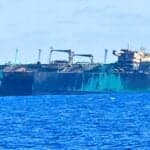


A damaged Russian LNG tanker, Arctic Metagaz, has been anchored off Libya’s eastern coast after drifting across the central Mediterranean for nearly two months, according to satellite imagery and maritime tracking data.
Satellite images and vessel tracking data show the tanker holding position about 18 nautical miles north-northeast of Benghazi for several days.
This suggests Libyan authorities were able to secure the vessel after several failed towing attempts.
The situation began in early March when the 277-meter LNG carrier was reportedly struck by a Ukrainian sea drone while sailing about 150 nautical miles southeast of Malta.
The explosion forced the crew to leave the ship, which was then left drifting with liquefied natural gas and fuel still onboard.
Over the following weeks, the tanker moved through Maltese and Italian waters before entering Libya’s search and rescue zone.
Its movement raised concerns about possible risks to offshore oil infrastructure and sensitive coastal areas.
Efforts to tow the vessel away from the coastline faced repeated setbacks. Tow cables snapped several times due to rough weather and technical issues.
On April 22, one such failure left the tanker drifting again roughly 120 nautical miles north of Benghazi, according to a navigational warning issued at the time.
Authorities described the vessel as “out of control and adrift,” warning nearby ships to maintain a safe distance of at least five nautical miles due to the risk it posed to navigation and the environment.
The tanker was also temporarily left unattended during these operations, including on April 23, showing the difficulty in handling the damaged vessel.
By April 28, a Libyan harbor tug managed to anchor the tanker offshore. Satellite images from April 30 confirmed its position about 8 nautical miles northwest of Daryanah and around 18 nautical miles from Benghazi.
Libya’s National Oil Corporation said that much of the gas onboard may have already leaked, which could reduce immediate risks.
Plans are being prepared to remove the remaining diesel fuel and transfer it to another vessel.
Even so, there are still concerns about the ship’s structure after weeks of exposure to rough conditions. It is not clear if a full inspection has been carried out.
Control of the operation now appears to be with authorities in eastern Libya, which adds uncertainty over how the situation will be handled in the long term.
Since the attack, Russian carriers have been avoiding the Mediterranean and are instead taking longer routes around southern Africa.
Reference: theia
Want to read more?
Check out the full article on the original site