Indonesia Says Iranian Oil Tankers Have Legal Right To Pass Through Lombok Strait Under International Law
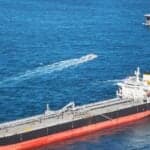


Indonesia has said that Iranian oil tankers moving through its waters are doing so legally under international maritime law, even as the vessels reportedly passed through areas affected by a United States naval blockade.
The government confirmed it had received reports about Iranian-flagged tankers transiting the Lombok Strait, a key route east of Bali that connects the Indian Ocean with the Pacific.
The ships are believed to be heading toward the Riau Archipelago.
Foreign Ministry spokesperson Yvonne Mewengkang said that navigation rules in Indonesian waters follow the United Nations Convention on the Law of the Sea (UNCLOS).
She explained that the treaty allows ships from other countries to pass through, including under what is known as the right of innocent passage.
She said Indonesia is currently checking the situation on the ground and coordinating internally, but at this stage sees the vessels as operating within international law.
The government is continuing to monitor developments and will stay in touch with relevant parties through diplomatic channels.
According to maritime intelligence firm TankerTrackers.com, one of the vessels is a Very Large Crude Carrier named Huge.
The tanker is linked to the National Iranian Tanker Company (NITC) and is on the U.S. sanctions list. It is carrying about 1.9 million barrels of crude oil valued at nearly $220 million.
Twenty-four hours have passed since a NITC VLCC supertanker entered the Lombok Strait in Indonesia with Iranian crude oil. Right now, a second such tanker named DERYA (9569700) is doing the same. She attempted to deliver 1.88 million barrels to India in mid-April during the… pic.twitter.com/cNe3PDjfvv
— TankerTrackers.com, Inc. (@TankerTrackers) May 4, 2026
Tracking data showed the vessel had not been visible for several weeks before appearing again and entering the Lombok Strait.
It is believed to have sailed from near the United Arab Emirates earlier this year and is now heading toward the Riau Archipelago, where ship-to-ship transfers are known to take place.
A second tanker, Derya, was also spotted taking the same route. It is carrying around 1.88 million barrels of crude oil.
The vessel had earlier tried to deliver its cargo to India in mid-April during a sanctions waiver period but failed to do so and has remained at sea since then. It is now moving toward a meeting point in the same region.
TankerTrackers.com also reported that several Iranian-linked tankers have been moving during this period.
Some were redirected back toward Iran by U.S. naval forces, while others were seized.
U.S. Central Command said dozens of vessels have been turned around as part of enforcement actions linked to the blockade.
The Strait of Hormuz, one of the world’s most important oil shipping routes, carries about a quarter of global oil supplies, and any disruption there has a direct impact on the market.
Brent crude prices were reported to be around $114 per barrel on Tuesday.
References:jakartaglobe, The Jakarta Post
Want to read more?
Check out the full article on the original site