U.S. And Gulf Allies Warn Iran Of Sanctions Over Strait Of Hormuz Shipping Disruptions
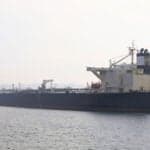


The United States and its Gulf allies have proposed a new resolution at the United Nations Security Council, warning Iran that it could face sanctions or other measures if it does not stop disrupting shipping in the Strait of Hormuz.
The draft resolution asks Iran to stop attacking ships, end what it calls illegal tolls on vessels, and reveal the locations of sea mines so that safe navigation can continue.
It also calls on Iran to allow the smooth movement of goods, including humanitarian aid, fertilizer, and other essential supplies through the strait.
The proposal further demands that Iran immediately take part in and support UN efforts to set up a humanitarian corridor in the waterway.
This is the latest attempt by the US and its allies after an earlier resolution failed when China and Russia used their veto power.
That vote happened just hours before Washington and Tehran announced a temporary ceasefire in early April, which is still in place but remains unstable.
US Secretary of State Marco Rubio said Iran is putting pressure on the global economy by trying to control the strait, threatening ships, laying sea mines, and attempting to charge tolls on one of the world’s most important shipping routes.
He said he hopes the resolution will be voted on soon but added that it is still unclear whether the changes made to the draft will be enough to avoid another veto.
US officials have revised the proposal by removing any mention of using force and focusing mainly on sanctions. They believe this narrower approach could help gain support from other members of the 15-member council.
US Ambassador Mike Waltz said he believes the updated draft has a better chance of passing without facing opposition or a veto from countries that support Iran.
The resolution is still drafted under Chapter 7 of the UN Charter, which allows enforcement if required. It warns that “effective measures” could be taken, including sanctions, if Iran does not follow the demands.
An earlier version had removed the Chapter 7 reference but still failed to pass.
According to a diplomat involved in the discussions, one of the main issues remains the wording of the resolution.
Some countries have raised concerns about language that criticizes Iran without mentioning US and Israeli strikes in the region.
The diplomat spoke anonymously due to the sensitivity of the talks.
The draft also confirms that countries have the right to defend their vessels from attacks and says that other nations should not help Iran in closing the strait or charging transit fees.
It also supports ongoing efforts to ensure safe passage through the waterway and encourages countries in the region to continue dialogue and coordination to reduce tensions and work towards stability.
At the same time, the US is trying to convince China not to block the resolution. Diplomatic efforts are taking place at high levels as preparations continue for a meeting next week between US President Donald Trump and Chinese President Xi Jinping.
References: Newsonair, apnews
Want to read more?
Check out the full article on the original site