1,500 Ships And 20,000 Seafarers Trapped In Gulf Due To Iranian Blockade In Hormuz: IMO
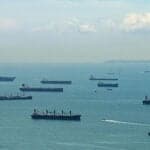


Around 1,500 ships and nearly 20,000 crew members remain trapped in the Gulf due to the Iranian blockade of the Strait of Hormuz, according to the head of the UN’s International Maritime Organization (IMO).
IMO Secretary-General Arsenio Dominguez made the remarks during the Maritime Convention of the Americas held in Panama City on Thursday.
The blockade began after the conflict involving Iran, Israel and the United States escalated in late February.
Tehran responded to the attacks by disrupting shipping movements through the Strait of Hormuz, one of the world’s busiest energy trade routes.
Dominguez told delegates that around 20,000 seafarers are currently stranded aboard approximately 1,500 vessels in the region.
He said the crew members were “innocent people” carrying out their jobs for the benefit of countries worldwide but had become caught in geopolitical events beyond their control.
He also warned about the growing human cost of the crisis. Speaking to reporters later, Dominguez said ten sailors had lost their lives in more than 30 attacks on vessels linked to the conflict.
The IMO chief urged shipping companies and operators to avoid sending more vessels into the Gulf in order to reduce the risk to seafarers and prevent further economic losses.
The disruption has added pressure to global energy markets. Before the conflict erupted, around one-fifth of the world’s petroleum and gas supplies moved through the Strait of Hormuz.
The closure of the waterway has already increased hydrocarbon prices.
Dominguez also reminded delegates that maritime transport carries more than 80 percent of the products consumed globally.
Earlier this week, US President Donald Trump announced plans for a naval operation aimed at escorting trapped vessels and reopening the Strait of Hormuz.
However, the operation was later called off shortly after being announced.
Washington is now waiting for Iran’s response to proposals aimed at ending the conflict and restoring shipping access through the strait.
Impact On Global Shipping
The Strait of Hormuz is one of the world’s busiest maritime trade routes and a major gateway for global oil and gas shipments.
Before the current conflict, around one-fifth of the world’s petroleum and gas supplies passed through the narrow waterway every day.
The blockade has disrupted commercial shipping operations across the Gulf. The situation has also increased operational risks for shipowners and crews operating in the region.
The IMO warned that continued attacks on vessels and restrictions on navigation could further affect global supply chains, marine transport schedules, and energy markets.
Rising freight costs, higher insurance risks, and growing pressure on fuel prices are already being felt as ships remain unable to transit through the strait.
References: Straits Times, NDTV
Want to read more?
Check out the full article on the original site