U.S Navy Says Over 70 Ships Blocked From Entering Or Leaving Iranian Ports
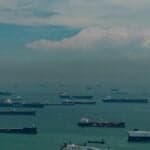


More than 70 ships are being prevented from entering or leaving Iranian ports as the American naval blockade continues.
In a post on X, CENTCOM mentioned that these vessels can carry over 166 million barrels of Iranian oil, valued at around $13 billion.
It added that over 50 ships have been redirected as part of operations to restrict the movement of oil to and from Iran.
This is the strategy adopted by the United States to force Iran to negotiate with Washington, especially over the nuclear program.
Massive U.S Military Presence In The Gulf
In a recent update, CENTCOM also said that the current mission involves more than 15000 troops, over 200 aircraft and 20 warships stationed across the Middle East.
The assets include aircraft carriers, destroyers, frigates, unmanned systems, refuelling vessels, and patrol ships. Land and Sea-based fighter jets, amphibious assault ships, and surveillance aircraft.
The naval ships are spread in the waters around Iran, near the UAE, Bahrain, Kuwait, Qatar, Saudi Arabia and Oman.
Iran’s Oil Exports Disrupted
The U.S military added that 73 tankers were intercepted and are unable to ship Iranian oil due to the blockade and the restrictions in movement implemented by the U.S naval forces.
This has flared regional tensions as military activities in the region have intensified, targeting strategic shipping lanes and energy infrastructure.
Environmental Risks of the U.S. Blockade of Iran’s Ports
According to Greenpeace, the naval blockade of Tehran’s port facilities and oil trade has created an “ecological ticking time bomb.”
Most of the tankers intercepted by the U.S are old with questionable records, and these remain stationary in the Gulf. An accidental leak or hull damage by a mine could prove extremely catastrophic to the region’s marine environment, including coral reefs and desalination plants, which provide drinking water.
Additionally, thousands of merchant navy sailors remain stuck in these ships for months, reporting a rise in mental health issues like anxiety, depression and stress disorders.
Is The Naval Blockade Truly Effective?
The goal is to force Tehran to negotiate under ‘unconditional’ terms, and while the U.S is using the tactic of economic strangulation as leverage to force Iran into giving up its uranium reserves and also its nuclear program, this move could also backfire.
Critics state that the ‘pressure’ approach could lead to the Iranian leadership believing that this is their only deterrent against foreign intervention.
China’s Opposition to the U.S. Blockade
China, which is Iran’s ally and also its main oil consumer, has condemned U.S action as ‘illegal disruption of energy security.’
Russia and China have both signalled that they might veto further UN resolutions related to the current blockade, as they view U.S actions as a threat to Freedom of Navigation.
On the other hand, Iran’s Gulf neighbours, who suffered from missile and drone attacks, all for housing U.S naval and military bases, are trying to balance their stance amidst heightening tensions between the U.S. and Iran.
Their governments fear that their own infrastructure might become a target of attack if the situation escalates further.
Want to read more?
Check out the full article on the original site