Vietnam Appeals To U.S. Navy For Tanker Passage Amidst Blockade As Fuel Shortages Peak
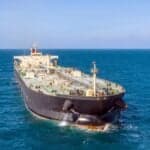


Vietnam’s State Oil Company has asked the U.S Navy to allow an oil tanker to sail through the U.S Naval Blockade in the Middle East, as the country is going through a severe energy crisis, as a result of the U.S-Iran war.
Agio Fanourios I is a Maltese-flagged supertanker, carrying 2 million barrels of Basra Crude, sold by Iraq’s state oil company SOMO, which it had loaded between April 10 and 14, 2026.
Petrovietnam Oil Corporation (PVOIL) Vice President Hoang Dinh Tung mentioned in a letter sent to U.S. military and diplomatic missions, “This cargo is of extreme importance to Nghi Son Refinery (NSRP), to the Socialist Republic of Vietnam and to the Vietnamese people.”
He added that the refiner’s feedstock inventories are dangerously low, and any further delay could lead to a halt in the refinery throughput, impacting millions of consumers, local businesses, industries and services.
Washington has expanded the Iranian blockade to include cargoes deemed contraband but has said that other oil exports from the Gulf are free to pass through.
The tanker transited the Hormuz on May 10, 2026 and was sailing in the Gulf of Oman before it had to turn back due to the U.S blockade, although it had followed the route via the Hormuz, which had been designated for tankers by Iran.
However, it remains unclear if the U.S Navy will allow the supertanker to sail to Vietnam.
The U.S.-Israeli war on Iran has led to the closure of the Strait of Hormuz, leaving hundreds of ships stranded and global energy supplies disrupted.
Crude oil prices have surged, and insurance premiums have skyrocketed.
In South East Asia, the worst hit by this crisis is Vietnam, which relies on China and Thailand for petroleum imports.
The economic impact of the crisis is likely to slow Vietnam’s growth, and while the government abolished some fuel levies till April, fuel prices have doubled, which impacted the country’s gig workers, businesses and public services the most.
Want to read more?
Check out the full article on the original site