11 Seafarers Killed, 38 Ship Attacks Reported As 20,000 Crew Remain Trapped In Strait Of Hormuz: UN
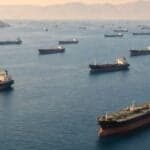


The head of the International Maritime Organization has warned that thousands of seafarers remain stranded aboard vessels in and around the Strait of Hormuz after more than two months of disruption linked to Iran’s blockade of the strategic shipping route.
IMO Secretary-General Arsenio Dominguez said only a “handful” of crew changes had been possible since Iran blocked passage through the strait on March 2, leaving around 20,000 seafarers unable to leave the Arabian Gulf.
The crisis has already resulted in 38 confirmed attacks on ships and 11 seafarer deaths as of May 11, according to IMO figures.
The agency said the continued disruption in one of the world’s busiest shipping routes was increasing pressure on global trade, energy supplies and regional maritime security.
Speaking during the 111th session of the IMO Maritime Safety Committee in London, Dominguez described the situation as “deeply concerning” and said many crews were trapped aboard vessels operating in a high-risk environment.
He said seafarers were facing sustained security threats, fatigue and severe psychological stress while remaining unable to rotate off ships due to the lack of replacement crews.
Dominguez said finding replacement personnel had become increasingly difficult because many seafarers were unwilling to enter the region under current security conditions.
The IMO chief said crews should not be pressured into sailing through the Strait of Hormuz while risks remained high.
He confirmed reports that some shipmasters had faced pressure from companies to transit the waterway despite ongoing security concerns.
The disruption has affected commercial shipping operations across the Arabian Gulf, with vessels unable to operate normally or complete standard crew rotation procedures.
Ships cannot legally or operationally be left unmanned, requiring relief crews before existing personnel can disembark.
Dominguez said the risk of a serious maritime incident would increase if ships continued to remain stuck in the region for a longer period.
He also said the crisis could affect global trade, energy supplies and the economy because the Strait of Hormuz is a key route for international oil and cargo shipments.
The IMO is also working on an evacuation plan that would help stranded seafarers leave the region if a ceasefire agreement is reached.
Dominguez said the plan had received backing from the UK and France, which have announced plans for a multinational defensive mission to support stranded ships once hostilities end.
Talks involving Iran and Oman on evacuating stranded seafarers were making progress after meetings held this week in Oman with Foreign Minister Sayyid Badr Al Busaidi.
Iran and Oman are located on opposite sides of the Strait of Hormuz, one of the world’s busiest shipping routes.
He said discussions were focused on how the evacuation plan would work and the responsibilities of both countries under international maritime rules.
Dominguez said talks with countries in the region remained positive, and the goal was to restore normal shipping operations in the area.
The IMO chief also addressed concerns surrounding vessels seized by Iran last month.
The Panama-flagged MSC Francesca and the Liberia-flagged Epaminondas were reportedly taken to an undisclosed Iranian port after being detained.
Dominguez said he had been in contact with officials from Panama and Liberia regarding efforts to secure the release of the crews.
He declined to describe detained seafarers as hostages but said Iranian authorities continued to provide assurances regarding their welfare and medical conditions.
The agency also confirmed that neighbouring Gulf states continued supplying stranded vessels with food, water and medical assistance.
Some remote support services had also been arranged to help seafarers stay in touch with their families and access mental health support.
Iran is continuing plans to charge ships passing through the Strait of Hormuz. The IMO has earlier said such charges would be illegal under international maritime law.
Iranian authorities also set up a new government agency this week to approve ship movements through the strait.
Dominguez also warned about fresh reports of piracy and armed robberies against ships off Somalia, calling it another growing security concern for the maritime industry.
The Maritime Safety Committee meeting, taking place from May 13 to May 22, is also expected to review amendments to mandatory maritime safety instruments, including the SOLAS Convention, and continue work on the first international code for Maritime Autonomous Surface Ships.
References: thenationalnews, AA
Want to read more?
Check out the full article on the original site