Video: U.S. Forces Board Iranian-Flagged Oil Tanker In Gulf Of Oman Over Alleged Blockade Violation
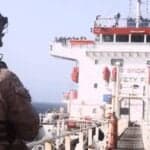


US Marines boarded and searched an Iranian-flagged oil tanker in the Gulf of Oman on Wednesday before ordering the vessel to change course, as Washington stepped up enforcement of its maritime blockade on Iran.
The vessel, identified by US Central Command as the M/T Celestial Sea, was intercepted after American forces suspected it was attempting to transit toward an Iranian port in violation of the US-led blockade imposed during the ongoing conflict with Tehran.
After searching the tanker, US forces released the vessel and directed its crew to alter course.
CENTCOM said US forces have now redirected 91 commercial ships to enforce the blockade. Earlier statements from the US military said four vessels had also been disabled during enforcement operations.
The boarding operation was carried out by the 31st Marine Expeditionary Unit, a US Marine force deployed to support operations linked to the conflict with Iran.
The operation marks at least the fifth commercial vessel boarded since the Trump administration imposed the blockade on Iranian shipping in mid-April.
Earlier today in the Gulf of Oman, U.S. Marines from the 31st Marine Expeditionary Unit boarded M/T Celestial Sea, an Iranian-flagged commercial oil tanker suspected of attempting to violate the U.S. blockade by transiting toward an Iranian port. American forces released the… pic.twitter.com/1AVT0MudKY
— U.S. Central Command (@CENTCOM) May 20, 2026
US forces have also intercepted vessels in the Indian Ocean and waters between Sri Lanka and Indonesia over allegations linked to Iranian oil smuggling and sanctions violations.
The blockade was introduced after tensions escalated over the Strait of Hormuz, one of the world’s most important oil shipping routes.
The waterway handles a large share of global crude exports, and disruption there has already affected shipping movements, energy markets, freight rates, and marine insurance costs.
US President Donald Trump said the blockade is aimed at pressuring Iran into agreeing to US demands and reopening shipping access through the Strait of Hormuz.
Trump also said on Wednesday that the US was in the “final stages” of talks with Iran, warning that Washington could strike Tehran “even harder” if negotiations fail.
“We may have to hit Iran even harder, but maybe not,” Trump said.
He added that he had postponed planned military strikes on Iran to allow more time for negotiations after Gulf allies requested a short delay.
Iranian foreign ministry spokesperson Esmaeil Baghaei said Tehran was reviewing a new US proposal delivered through Pakistani mediation.
He also said Iran was working with Oman and other coastal states to develop measures for safe shipping traffic in the Strait of Hormuz.
Baghaei repeated that Iran wants frozen Iranian assets abroad to be released and the US blockade on Iranian ports to end.
The US military earlier said about 1,550 vessels from 87 countries remain stranded in Gulf waters due to the ongoing disruption.
The standoff has increased pressure on global shipping and oil markets as naval operations continue across the region and uncertainty remains over future vessel movements through the Strait of Hormuz.
References: hindustantimes, shippingtelegraph
Want to read more?
Check out the full article on the original site