•2 min read•from Frontiers in Marine Science | New and Recent Articles
High seas marine protected areas under the BBNJ agreement: implementation gaps and governance pathways
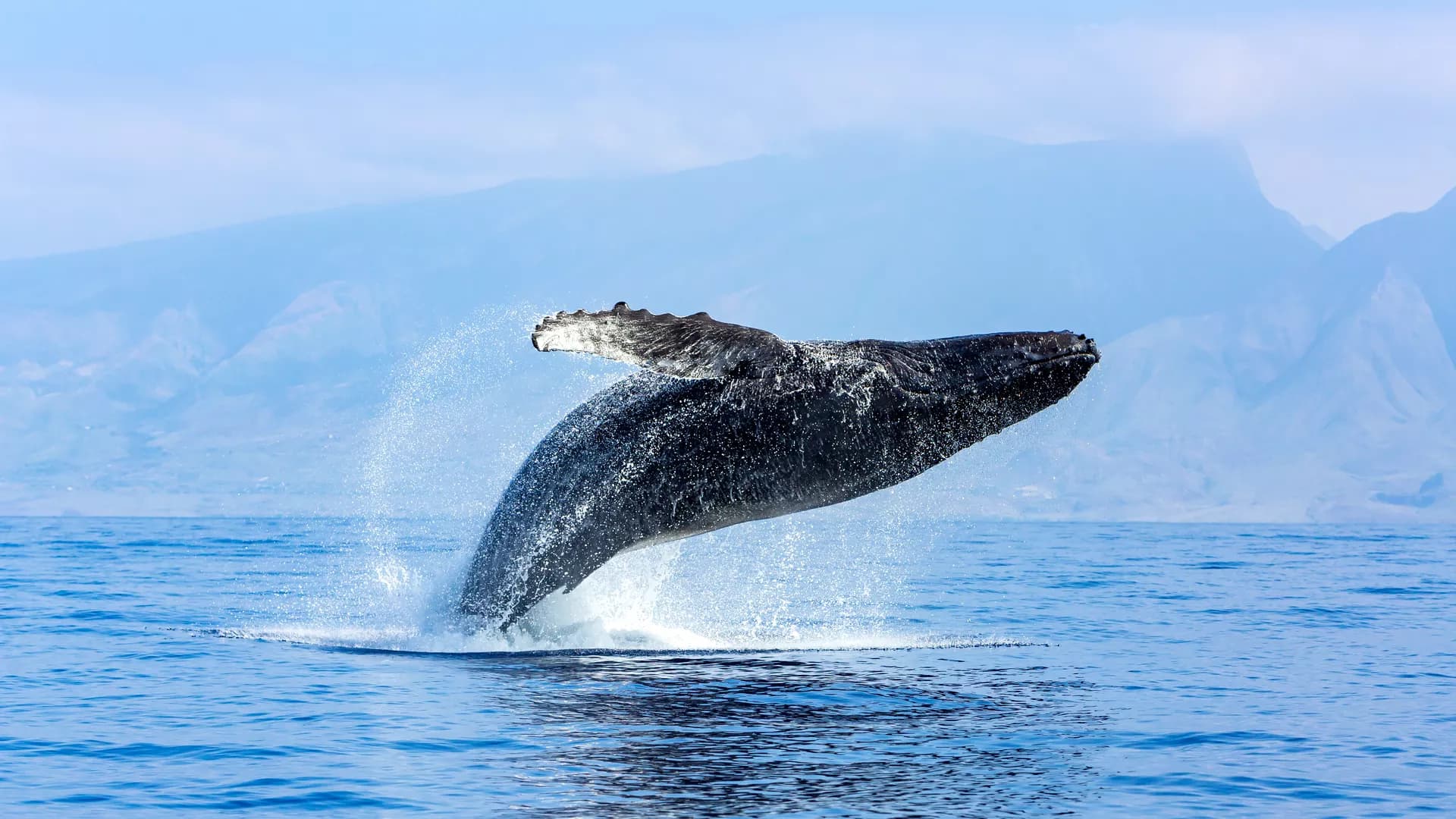
Against the backdrop of ocean governance that increasingly emphasizes cross-border coordination, institutional coherence, and implementation linkage, high seas marine protected areas (MPAs) have emerged as an important governance tool for advancing the “30×30” target and strengthening biodiversity conservation in areas beyond national jurisdiction (ABNJ). However, the main challenge of high seas MPAs lies not only in their limited coverage, but also in the difficulty of translating conservation designations into sustained and coordinated implementation within a fragmented cross-sectoral governance structure. Existing practice and research show that high seas MPA implementation has long been constrained by dispersed institutional mandates, weak scientific data and monitoring, unclear management and enforcement arrangements, poor data sharing, and persistent participation and capacity gaps. A significant divide therefore remains between MPA designation and effective protection. Drawing on existing high seas MPA practice and the Agreement under the United Nations Convention on the Law of the Sea on the Conservation and Sustainable Use of Marine Biological Diversity of Areas beyond National Jurisdiction (BBNJ Agreement), this article combines doctrinal legal analysis with comparative institutional analysis to identify the principal governance obstacles to high seas MPA implementation and to evaluate both the potential and limits of the new Agreement in addressing them. The article argues that the BBNJ Agreement provides an important global institutional foundation for improving high seas MPA governance by promoting greater procedural coherence, coordination, and transparency, but it has not yet produced a sufficiently clear operational implementation system. Effective governance of high seas MPAs under the BBNJ framework requires moving beyond formal designation toward more substantive protection. This includes establishing a dedicated implementation coordination mechanism, further specifying implementation and enforcement rules, embedding monitoring, control, and surveillance (MCS) into the management framework, strengthening targeted proposal support, long-term scientific and technical cooperation networks, and data-sharing arrangements.
Want to read more?
Check out the full article on the original site
Tagged with
#ocean data
#marine biodiversity