South Korea Plans To Launch First Domestically Built Nuclear-Powered Submarine By Mid-2030s
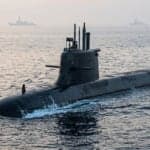


South Korea said it aims to launch its first nuclear-powered submarine by the mid-2030s under a new defence programme designed to counter North Korea’s submarine-based nuclear and missile threats.
The plan was announced on Tuesday by Defence Minister Ahn Gyu-back during a defence strategy meeting chaired by President Lee Jae Myung at a naval base in Changwon.
South Korea said the submarines would be built domestically under a project called “Jang Bogo N” and powered by low-enriched uranium fuel.
The government plans to bring the submarines into operational service in the late 2030s or later.
President Lee said the submarine programme shows South Korea’s commitment to strengthening security on the Korean Peninsula through its alliance with the United States.
“The nuclear-powered submarine, which will be built on the basis of a strong South Korea-U.S. alliance, is a symbol of our will to take responsibility for peace and security on the Korean Peninsula,” Lee said.
South Korea has long sought to develop nuclear-powered submarines as regional military competition increases and North Korea continues to expand its missile and nuclear capabilities.
According to the defence ministry, nuclear-powered submarines can remain underwater for longer periods and move more quickly than conventional diesel-electric submarines, allowing better operational flexibility.
Ahn said the programme would use South Korea’s domestic nuclear, shipbuilding and defence industries while remaining within international non-proliferation rules.
The submarines will use low-enriched uranium enriched to less than 20%, he said.
South Korea is currently restricted from using nuclear material for military purposes under its civil nuclear cooperation agreement with the United States. The country is also a member of the Nuclear Non-Proliferation Treaty.
Ahn said Seoul would work closely with the United States and the International Atomic Energy Agency during the process of securing and managing nuclear fuel for the submarines.
“We will faithfully comply with nonproliferation obligations throughout the entire process of securing and managing low-enriched uranium,” Ahn said.
South Korea’s plan to build nuclear-powered submarines gained momentum after President Lee Jae-myung discussed the project with US President Donald Trump during a summit last October.
South Korean officials said Washington agreed to cooperate on requirements linked to the programme, including possible fuel supply support.
The announcement also lifted shares of major South Korean shipbuilders Hanwha Ocean and HD Hyundai Heavy Industries after Lee highlighted the importance of the project during a cabinet meeting.
References: YNA, Reuters
Want to read more?
Check out the full article on the original site