US, Iran Reach Tentative Deal To Extend Ceasefire For 60 Days And Reopen Strait Of Hormuz
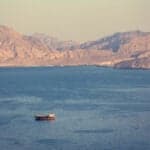


The United States and Iran have reached a tentative agreement to extend their ceasefire for another 60 days and allow unrestricted shipping through the Strait of Hormuz, according to sources familiar with the talks.
However, U.S. President Donald Trump has not yet approved the proposal, while Iranian state media said the agreement has not been finalised.
If approved by both sides, the deal could become the biggest step towards easing tensions since the conflict began on February 28.
The agreement would allow commercial traffic to move normally through the Strait of Hormuz while negotiators continue discussions on difficult issues including Iran’s nuclear programme.
The Strait of Hormuz is one of the world’s most important shipping routes, handling around one-fifth of global oil and liquefied natural gas trade.
Reports of a possible agreement lowered oil prices, with Brent crude falling around 1.1% to nearly $92-$93 per barrel on hopes that Gulf energy supplies would face fewer disruptions.
According to sources, the proposed agreement would also require the United States to lift its blockade of Iranian ports and ease some sanctions on Iranian oil sales.
Iran’s Tasnim news agency, citing a source close to the negotiating team, said the text of the agreement had not yet been confirmed or finalised.
“We’re not there yet, but we’re very close and we’re going to keep on working at it,” U.S. Vice President JD Vance told reporters in Washington. “I can’t guarantee that we’re going to get there, but right now I feel pretty good about it,” he added.
The proposed agreement comes despite fresh military clashes between the United States and Iran after the ceasefire began in early April.
U.S. Central Command said American forces shot down five Iranian attack drones and struck a ground control station in Bandar Abbas that was preparing to launch another drone.
A U.S. official said the strikes were defensive and intended to maintain the ceasefire. Kuwaiti forces also intercepted a ballistic missile fired towards the country late Wednesday.
Iran’s Islamic Revolutionary Guard Corps later said it had targeted the U.S. base linked to the Bandar Abbas attack and warned that any further strikes would lead to a “more decisive response”.
Iran’s Revolutionary Guard navy also fired warning shots at four vessels near the Strait of Hormuz for allegedly entering Iranian waters without permission.
The Strait of Hormuz connects the Persian Gulf with the Gulf of Oman and the Arabian Sea. Around 20% of global oil and LNG supplies pass through the route, making it one of the world’s most important maritime chokepoints.
Bandar Abbas, where the reported U.S. strike took place, is Iran’s main commercial and naval port near the entrance to the strait.
Sources said the proposed framework would also open discussions on Iran’s stockpile of highly enriched uranium during the 60-day negotiation period.
The Trump administration has repeatedly said progress towards a deal was close, although Iran has often disputed or downplayed those claims.
Trump has faced pressure from members of his Republican Party who oppose any agreement that does not immediately address Iran’s nuclear activities.
Iran has demanded sanctions relief, the release of frozen assets and a reduction in U.S. military presence in the region. Washington has continued to insist that Tehran must dismantle its nuclear programme, which Iran says is intended for peaceful purposes.
Regional tensions also remain linked to Israel’s operations against Hezbollah in Lebanon. Israel said it carried out strikes on Hezbollah infrastructure in Tyre and Beirut, while the Lebanese army reported that one soldier was killed in an Israeli strike.
The United States also warned Oman against supporting any effort with Iran to impose tolls on vessels transiting the Strait of Hormuz. Oman later indicated there were no plans to introduce such tolls.
References: Reuters, Financial Express
Want to read more?
Check out the full article on the original site