US, Iran Reach Preliminary Ceasefire Deal To End War And Reopen Strait Of Hormuz
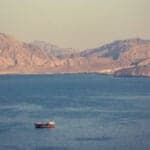


U.S. President Donald Trump announced on Sunday that the United States and Iran have reached an agreement to end hostilities, a move that could lead to the reopening of the Strait of Hormuz and the restoration of normal shipping traffic through one of the world’s most important energy corridors.
In a post on Truth Social, Trump said the deal with Iran was “now complete” and that he had authorised the toll-free reopening of the Strait of Hormuz along with the immediate removal of the U.S. naval blockade.
“Ships of the World, start your engines. Let the oil flow!” Trump wrote.
Iran’s Deputy Foreign Minister Kazem Gharibabadi later confirmed that an agreement had been reached. An official signing ceremony is expected to take place in Switzerland on June 19.
The Strait of Hormuz, which connects the Persian Gulf with global shipping routes, is a critical passage for oil and LNG exports from the Gulf region. Its reopening would be closely watched by shipping companies, energy traders and governments worldwide.
Trump later described the agreement as a deal that would bring “Peace and Security to the whole Region” and suggested that a broader peace agreement could follow. He also said the reopening of the strait would allow oil and commercial shipping traffic to resume while mine-clearing operations are carried out.
In an interview with The New York Times, Trump also warned that the United States could restart military operations against Iran in the future or become what he called the “guardian of the Middle East” in exchange for 20% of the region’s revenues. It was not immediately clear whether the interview took place before or after the deal was announced.
Pakistan Says Agreement Ends Military Operations
Pakistan’s Prime Minister Shehbaz Sharif announced the agreement on X shortly before Trump’s statement, saying it followed intensive negotiations and would bring an immediate and permanent end to military operations.
Sharif said the deal covers all fronts, including Lebanon, and confirmed that it will be formally signed in Switzerland on June 19.
He thanked Qatar, Saudi Arabia and Türkiye for supporting the mediation effort and said further meetings would be held this week to prepare for technical talks and implementation of the agreement.
According to a statement from Iran’s Supreme National Security Council, military operations on all fronts, including Lebanon, will end permanently starting Monday night.
Iranian officials said the agreement provides for a 60-day ceasefire period during which negotiations will continue.
Gharibabadi said future discussions would focus on sanctions relief and other unresolved issues between Washington and Tehran.
Iran’s nuclear programme remains one of the biggest outstanding issues. Reuters previously reported that future negotiations are expected to address Iran’s stockpile of highly enriched uranium and the future of its nuclear activities.
Before the agreement was announced, a senior Iranian official told Reuters that the draft deal included a proposal for the release of $25 billion in frozen Iranian assets.
A U.S. official, also speaking before the announcement, said the agreement would eventually lead to the dismantling of Iran’s nuclear programme and the destruction or removal of its stockpile of highly enriched uranium.
The Iranian official, however, said the draft would allow Iran to dilute its enriched uranium inside the country.
Oil Prices Fall After Announcement
Brent crude futures fell around 4% in early Monday trading, while U.S. West Texas Intermediate crude dropped more than 4.6%.
Asian stock markets also moved higher following the announcement.
The conflict has disrupted the region since February 28, when U.S. and Israeli forces launched attacks on Iran.
Iran later carried out strikes against Israel and Gulf states hosting U.S. military bases, while shipping through the Strait of Hormuz was heavily affected.
International Support for the Deal
Several countries welcomed the agreement and stressed the importance of restoring freedom of navigation through the Strait of Hormuz.
Qatar’s Foreign Ministry said the agreement was an important step towards peace and would help ensure freedom of navigation in the strategic waterway.
UK Prime Minister Keir Starmer said attention should now focus on implementing the agreement and ensuring the strait remains fully open.
French President Emmanuel Macron also welcomed the deal, saying unrestricted maritime traffic is essential for regional stability and the global economy.
In a joint statement, the United Kingdom, Germany, France and Italy said they would be prepared to lift sanctions on Iran if it takes clear and verifiable steps to limit its nuclear programme.
Israel Yet to Respond
Israel had not issued an immediate response to the announcement.
The agreement was reached despite an Israeli strike on Lebanon on Sunday, an action criticised by both Iran and Trump.
Israeli Prime Minister Benjamin Netanyahu has disagreed with U.S. calls to limit Israeli military operations in Lebanon while negotiations with Iran were underway.
According to Israel’s N12 television, Trump discussed progress on the agreement with Netanyahu during a phone call on Sunday.
The memorandum of understanding is scheduled to be signed in Switzerland on June 19.
Until then, mediators are expected to hold further meetings aimed at finalising implementation measures and preparing for talks on sanctions relief, Iran’s nuclear programme and regional security.
References: Reuters, Aljazeera
Want to read more?
Check out the full article on the original site