3 Iranian Tankers With 5 Million Barrels Of Crude Sail Past U.S Blockade In Hormuz For The First Time
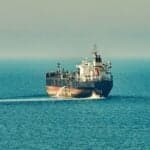


Three Iranian tankers carrying a total of 5 million barrels of crude oil sailed past the US Naval blockade in Hormuz for the first time in two months.
Supertankers Diona and Hero 2, owned by the National Iranian Tanker Company and part of the U.S. Sanctions list, carried a combined 3.8 million barrels of Iranian crude oil.
A third tanker carrying 1 million barrels of oil exited the blockade on Wednesday.
The U.S. and Iran signed a Memorandum of Understanding on Monday to end the war in the Gulf and reopen the Strait of Hormuz.
The document was signed digitally, and the official signing ceremony is scheduled on Friday in Geneva.
The complete details of the official peace agreement have not been made public, though US President Trump said that he would reveal the document in the coming days and is just waiting for a formal setting to do so.
According to the peace deal, the U.S. would waive the sanctions on Iranian oil, which would enable the Islamic Republic to export its crude freely and legally, on the condition that Tehran would stop its nuclear program.
Both parties have announced that Hormuz would reopen fully after the signing of the document on Friday.
The prospect of the reopening has prompted shipowners to start repositioning vessels towards Gulf ports in anticipation of a rise in restocking demand, while some remain cautious and continue to wait for more details.
Insurers are also firm on high-risk premiums and want solid proof that the waterway is safe, and ships will not be attacked by either country’s forces.
However, owners of very large crude carriers (VLCC) want to gain the “first-mover advantage,” and are positioning tankers toward the Middle East Gulf, while others are still holding back.
Many VLCCS are moving from the South China Sea and across the Indian Ocean toward Gulf ports.
The U.S. Navy has, however, stated that ‘nothing has changed and will not until the agreement is signed.’
Atleast 116 tankers loaded with oil and gas are expected to exit the region within 15 to 20 days after the deal is signed.
“Most shipowners appear to be cautiously awaiting more details before planning new transits of the Strait of Hormuz,” said Niels Rasmussen, chief shipping analyst at BIMCO.
Want to read more?
Check out the full article on the original site