US-Iran Deal Allows Immediate Iranian Oil Sales, Easing Pressure On Global Energy Markets
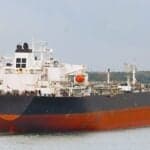


The United States will allow Iran to immediately resume oil and fuel exports under a new memorandum of understanding expected to be signed in Switzerland on Friday, according to U.S. officials familiar with the agreement.
The move would ease pressure on Iran’s energy sector and could increase oil tanker traffic through the Strait of Hormuz, one of the world’s most important shipping routes for crude oil and liquefied natural gas.
Under the agreement, Washington will issue sanctions waivers allowing Iran to sell oil and fuel while also permitting the banking, transportation and insurance services needed to support those sales.
The waivers are expected to take effect as soon as the deal is signed.
U.S. officials said the arrangement is designed as a performance-based agreement, meaning Iran will only continue receiving the benefits if it meets the commitments outlined in the memorandum.
“This is a performance-based agreement,” a senior U.S. official said. “Iran can only access any benefits of the MOU if they abide by all of the points they agreed to — including no nuclear weapon, neutralizing its enriched material, and not interfering with the free flow of navigation in the Strait of Hormuz.”
The agreement is a major shift in U.S. policy toward Iranian oil exports after years of sanctions aimed at limiting Tehran’s energy revenues.
The Wall Street Journal reported that an Iranian supertanker carrying crude oil had already departed from the port of Chabahar on Tuesday and crossed the U.S. blockade.
The vessel’s tracking system remained active during the voyage, making it the first known case since Washington imposed restrictions on Iranian ports in April as part of efforts to pressure Tehran into an agreement.
The sanctions waivers are expected to cover more than just oil sales. They will also apply to key services needed to move crude to international buyers, including shipping logistics, financial transactions and marine insurance.
The deal could provide an immediate boost to Iran’s economy, which has been hit by years of sanctions.
Officials involved in the negotiations said the agreement would allow Tehran to generate oil revenue during a 60-day negotiation period that begins after the signing ceremony.
However, U.S. officials have given different explanations about how the sanctions relief will work. One senior official said Iran will only receive the benefits if it meets specific commitments under the agreement.
Another official said the relief depends more broadly on Iran’s overall behaviour, particularly regarding its nuclear programme.
Officials also indicated that Washington could offer limited early concessions if Iran takes initial steps to meet its commitments.
A senior Iranian official previously told Reuters that the draft memorandum includes a temporary waiver of oil sanctions, allowing Iran to sell oil and receive revenue for a specified period.
According to the draft, U.S. and United Nations sanctions could eventually be lifted under an agreed timetable following a final agreement.
Energy traders, shipowners and tanker operators are closely watching the deal, which could bring more Iranian oil back to global markets.
Brett Erickson, a sanctions expert at Obsidian Risk Advisors, said Iran has more than 100 million barrels of oil in storage and on tankers. More than 60 million barrels of that oil is located outside the U.S. blockade area and could be sold relatively quickly.
The Strait of Hormuz, through which about 20% of the world’s oil and LNG supplies normally pass, is expected to remain a key focus for shipping and energy markets.
While the administration has repeatedly said Iran will not receive direct U.S. funds, officials have confirmed that the deal includes sanctions waivers and other economic incentives.
More details on the waivers and Iran’s future oil exports are expected after the agreement is signed.
References: Reuters, NyPost
Want to read more?
Check out the full article on the original site