Indian PM Warns Hormuz Shipping Disruptions Are Affecting Global Trade, Flags Civilian Deaths, Urges Seafarer Safety
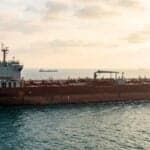


Indian Prime Minister Narendra Modi on Tuesday raised concerns over disruptions to maritime trade through the Strait of Hormuz, warning that instability in West Asia is affecting the global economy and endangering civilian seafarers, including Indian nationals who have died during the conflict.
Addressing an outreach session on “Forging New Partnerships and Rebuilding International Solidarity” at the 52nd G7 Summit in Evian-les-Bains, Modi said global partnerships could only be meaningful if countries worked together to address shared security and economic challenges, including the protection of critical sea lanes.
“We welcome the progress made in peace efforts in West Asia,” Modi said, referring to recent diplomatic movement including an Iran-US peace deal. “Disruptions to maritime trade through the Strait of Hormuz have affected the global economy. Several Indian civilians have also lost their lives.”
He added that ensuring the safety of seafarers who connect global trade routes was a collective responsibility, calling for uninterrupted and secure maritime corridors amid ongoing geopolitical tensions.
The Indian prime minister’s comments also followed recent incidents involving Indian seafarers in the region, including the deaths of three Indian mariners in a U.S. military strike on a merchant vessel in the Gulf of Oman last week, which has raised concerns in India over the safety of civilian shipping in conflict zones.
Modi said maritime workers remain essential to global trade but are increasingly exposed to risks as geopolitical tensions intensify across key sea lanes linking Asia, the Middle East and Europe.
On the sidelines of the summit, Prime Minister Narendra Modi briefly met US President Donald Trump during the traditional leaders’ group photograph session, where the two exchanged greetings. It was their first face-to-face interaction since Modi’s visit to Washington last year, and both leaders were seated next to each other during the outreach session.
In his address, Modi also highlighted India’s wider global initiatives, including the International Solar Alliance, the Coalition for Disaster Resilient Infrastructure, the Global Biofuel Alliance, Mission LiFE, and the “Ek Ped Maa Ke Naam” environmental campaign.
He said India’s approach to international engagement is guided by the philosophy of “Vasudhaiva Kutumbakam,” meaning “the world is one family,” and called for more balanced and fair global partnerships.
“Trust lies at the core of partnerships,” Modi said, adding that confidence in supply chains, technology, and global institutions is essential in today’s interconnected world.
References: tribuneindia, ndtvprofit
Want to read more?
Check out the full article on the original site