Watch: US Strike On Suspected Drug-Smuggling Vessel In Eastern Pacific Kills 1, Leaves 2 Survivors
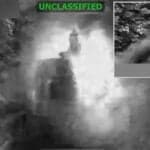


The US military struck a suspected drug-trafficking vessel in the eastern Pacific Ocean on Tuesday, killing one person and leaving two survivors, US Southern Command said, as Washington continues to expand its maritime campaign against alleged cartel-linked smuggling operations in international waters.
The operation is part of a US military effort targeting vessels the administration describes as involved in narcotics trafficking along established routes in the eastern Pacific and Caribbean Sea.
According to US Southern Command, intelligence confirmed the vessel was engaged in drug-trafficking activity, though no supporting evidence was publicly released.
Southern Command said it immediately notified the US Coast Guard to activate search and rescue procedures for the two survivors following the strike.
No US military personnel were harmed in the operation. A video released on social media platform X showed a boat moving at sea before being struck and engulfed in flames.
On June 16, at the direction of #SOUTHCOM commander Gen. Francis L. Donovan, Joint Task Force Southern Spear conducted a lethal kinetic strike on a vessel operated by Designated Terrorist Organizations. Intelligence confirmed the vessel was transiting along known… pic.twitter.com/UGBRt9Mbdm
— U.S. Southern Command (@Southcom) June 17, 2026
The latest strike brings the number of people killed in US military boat strikes to at least 208 since early September, when the administration began a series of operations targeting vessels it has described as “narcoterrorists.”
US President Donald Trump has said the United States is in an “armed conflict” with Latin American cartels and has defended the maritime strikes as part of efforts to reduce drug flows into the country and address overdose deaths.
However, the administration has provided little public evidence linking the targeted vessels to drug trafficking.
The campaign has been criticised by lawmakers and legal experts, who have questioned both its legality and effectiveness.
Attention on the operations has increased after earlier incidents in which survivors of an initial strike were later killed when a vessel was struck again.
The White House said that follow-up action was taken in self-defence and in accordance with the laws of armed conflict, though some legal scholars have disputed that interpretation.
The Pentagon’s inspector general said in May it would review whether the military followed its established six-phase Joint Targeting Cycle in conducting the strikes. The review does not assess the legality of the operations themselves.
US Southern Command said maritime operations against suspected trafficking vessels will continue, even as scrutiny grows over targeting procedures, evidence standards, and the legal framework governing the campaign.
References: TOI, US Southern Command
Want to read more?
Check out the full article on the original site