Trump Calls Seafaring a “Rough Profession” After Indian Mariner Deaths in Hormuz
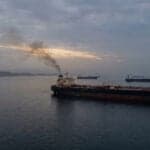


US President Donald Trump responded on Wednesday to the deaths of three Indian mariners last week in American strikes near the Strait of Hormuz, saying “seafaring is a rough profession”.“I heard about that. “It’s a tough profession and we work together at it,” Trump told reporters, news agency ANI quoted. We work together, but this has been happening all through time. We love them all. They are great people.
The remark followed a meeting between Trump and Indian Prime Minister Narendra Modi on the sidelines of the G7 Summit in Evian, France — their first face-to-face meeting in 16 months.
At the meeting, Prime Minister Modi made a pitch for seafarer safety and freedom of navigation. “The protection of Indians working at sea is a national priority and there are hundreds of thousands of Indians working at sea and the conflict in West Asia continues,” he said.
“The security of the Strait of Hormuz is vital for the global economy,” Prime Minister Modi said, expressing confidence crews would be protected under the nascent understanding between Washington and Tehran.
He had been even more blunt a day before. Modi, speaking to G7 leaders in a session on rebuilding international solidarity, remembered that Indian civilians were among the dead. “The safety of seafarers who connect nations through global maritime trade is our responsibility,” he said, urging the sea routes to be kept safe so crews can work without fear.
India summoned the senior U.S. diplomat in New Delhi twice last week over the American military’s strikes on three Indian-crewed vessels in the Gulf, one of which killed three Indian seafarers.
Ports, Shipping and Waterways Minister Sarbananda Sonowal said the three men died on board the tanker MT Settebello. They were initially reported as missing, later confirmed dead when their bodies were discovered and identified.
US Central Command made no apology. CENTCOM said its forces disabled an oil tanker in the Gulf of Oman after the vessel tried to move Iranian oil in violation of the American blockade, and that a US aircraft fired precision munitions into the engine room when the crew refused to obey.
The statement included aerial footage of the tanker disappearing in a cloud of black smoke. The MT Marivex was struck a day earlier in the same campaign. Fire spread on board its 24 crew, all Indian, who sent a frantic distress call. The Omani navy picked all of them up from the water on June 8.
India’s protest was fierce. When External Affairs Minister S Jaishankar called Secretary of State Marco Rubio to protest what New Delhi described as the “unjustified” attacks, the US readout made no mention of the Indian grievance. But Rubio said violations of the blockade and illegal transport of Iranian oil would not be tolerated.
The human cost continues to mount. One count shows that at least 14 merchant mariners have died since the war began and about 600 vessels remain trapped in the Persian Gulf, unable to move in or out by the only route. The stakes are high for India.
The shipping ministry said nearly 18,000 of its mariners are still working in the region, many of them stranded and anxious as the standoff drags on. The Strait of Hormuz is the transit point for about one-fifth of the world’s oil and is still a place where civilian crews continue to come under fire.
Want to read more?
Check out the full article on the original site