UAE Plans To Cut Dependence On Strait Of Hormuz To “Zero” With Major Ports & Pipeline Expansion
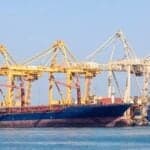


The United Arab Emirates is working on a major long-term plan to end its dependence on the Strait of Hormuz for energy exports, as Gulf states reassess the risks of one of the world’s most important oil shipping routes following recent regional conflict.
UAE Minister of Foreign Trade Thani Al Zeyoudi said the country is aiming for “zero Hormuz dependency”, backed by new ports, pipelines, and transport links that will move oil, gas and other exports through the Gulf of Oman instead of the narrow strait.
The Strait of Hormuz handles around one-fifth of global crude oil and liquefied natural gas shipments. It has faced major disruption since conflict involving Iran affected shipping earlier this year, raising concerns about the security of global energy flows.
“We’re moving towards having zero Hormuz dependency and that’s regardless of whether it’s open or not,” Al Zeyoudi told Bloomberg. “It’s going to open and we hope that will happen quickly, but we will not stop the new plan.”
The UAE is also building new pipelines, roads and rail links to connect these ports with oilfields, gasfields and other energy facilities inside the country. The goal is to keep exports moving even if access through Hormuz is disrupted.
In May, Abu Dhabi said it was speeding up construction of a second crude pipeline that will double export capacity through Fujairah. A third pipeline is also being considered.
The UAE already has a pipeline that can carry up to 1.8 million barrels of oil per day to Fujairah, helping it bypass the Strait of Hormuz. According to Reuters, planned expansion could take total capacity above 3.5 million barrels per day.
The government has not given a cost or timeline but said the projects will require “significant investment” and are still in the feasibility stage.
Other countries in the region are also working on alternative export routes. Iraq, for example, is increasing use of its Kurdistan–Turkey pipeline system, with plans to raise exports from about 220,000 barrels per day to around 770,000 barrels per day.
Before the recent disruption, about 10 million barrels of oil were shipped through the Strait of Hormuz in April, down from around 93 million barrels earlier, showing how sharply flows were affected during the conflict period.
The Strait of Hormuz is one of the most important shipping routes in the world for oil and gas. Any disruption affects global energy prices and shipping security.
The UAE’s plan shows a clear shift to reduce risk by moving exports away from this chokepoint. But officials also say this will not be easy. While oil can be rerouted through pipelines, other goods like LNG and industrial cargo are harder to shift away from Gulf shipping routes.
The UAE still depends heavily on major Gulf ports such as Jebel Ali for imports and regional trade. Moving cargo from eastern ports to cities like Dubai and Abu Dhabi will also increase transport costs, although planned rail and road links are expected to reduce this over time.
The country is also expanding LNG infrastructure, including one operating terminal inside the Gulf and another project that will more than double export capacity.
References: thenationalnews, thenationalnews
Want to read more?
Check out the full article on the original site