•2 min read•from Frontiers in Marine Science | New and Recent Articles
No place like home: assessing the multidimensional habitat use of endangered Arabian Sea humpback whales (Megaptera novaeangliae, Borowski 1781) with satellite telemetry
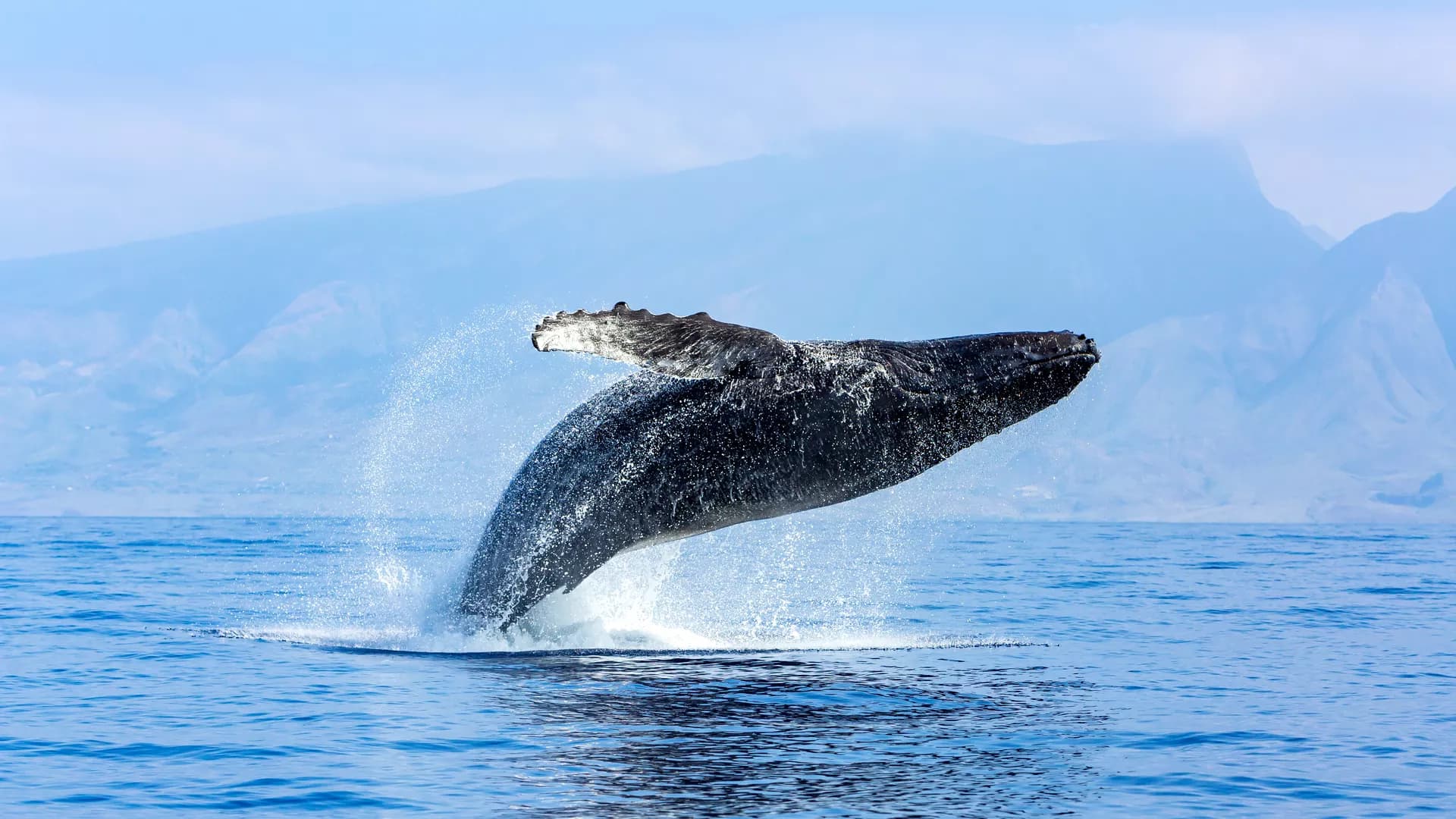
The Arabian Sea humpback whale (Megaptera novaeangliae; ASHW) is understood to be the only population of this species that does not undertake long-range seasonal migrations between high- and low-latitude waters. Until recently, understanding the movements and range of individual ASHWs has relied mainly on comparisons of dorsal fin and tail-fluke images archived in photo-identification catalogues and on observations made during small-vessel surveys off the coast of Oman since 2000. The ASHW population is classified as Endangered by the IUCN Red List of Threatened Species, with an estimated 82 individuals off Oman’s coast (95% CI: 60–111), and faces increasing anthropogenic threats throughout its known range. To better understand the spatial ecology of this population, 14 Argos-enabled satellite tags were attached to ASHW off the Arabian Sea coast of Oman between February 2014 and December 2017. Individuals were tracked for a total of 749 days (mean=53, SD = 42, range=18–163 days) producing 484 days of depth-use data (mean=44, SD = 26, range=15-87). Home ranges extended along the western Arabian Sea coastline of northern Yemen and southern Oman, with a core area in the Gulf of Masirah (Oman). Switching state-space models revealed predominant area restricted search behavior (associated with breeding and foraging behavior) over continental shelf areas, with transiting movements occurring further offshore. The widest-ranging individual (a female, tag longevity 120 days) completed a round trip across the Northwest Indian Ocean between the Gulf of Masirah and the Gulf of Mannar (India). The track of this animal, and others along the coast of Oman, revealed an overlapping relationship between ecological drivers related to habitat use, including foraging and breeding, with fishing and shipping activities. The findings demonstrate the unique ecology of ASHW compared to other humpback whale populations and underscores the need for national and international authorities to incorporate these results into management initiatives to safeguard this small and Endangered population.
Want to read more?
Check out the full article on the original site
Tagged with
#ocean data