Three Saudi-Flagged Supertankers With 6 Million Barrels Of Crude Cross Hormuz
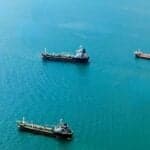


Three Saudi-flagged supertankers, managed by Bahri and carrying 6 million barrels of crude, crossed the Strait of Hormuz hours after U.S President Donald Trump signed an agreement with Iran to end the war in the Gulf.
Other ships also reportedly sailed through the strategic waterway, broadcasting their positions weeks after voyages through the strait were made by ships sneaking past the blockade by switching off their transponders to avoid being detected.
Most ships that passed through Hormuz left from Saudi Ports.
The biggest producer in OPEC, Saudi Arabia, used its Red Sea Port of Yanbu to export oil after Hormuz was closed to commercial traffic.
Ship traffic in Hormuz is increasing, and three other crude oil tankers loaded with oil at the UAE’s Port of Fujairah are now outside the waterway, with two already on their way to Europe.
The Fujairah terminal was struck by Iran during the conflict, which began on February 28 when the U.S. and Israel attacked Tehran.
The U.S. and Iran have released the document of the interim deal, which the respective leaders had signed, while Trump warned to resume attacks against Iran if it did not honour its commitments.
A Hong Kong-flagged medium-range tanker, Ye Chi, also sailed close to Iran’s Larak island, but it has since stopped at the Strait of Hormuz.
However, despite the improvements, shipping and insurance industry officials remain cautious and seek more assurances on the agreement.
Under the agreement, Iran would be able to sell its oil and fuel under the MOU and all Western sanctions would be lifted.
INTERTANKO, which represents the world’s independent tanker owners, said that there is a need to gain clarity over the safety of navigation in the Strait. It added that mine-clearing operations should be undertaken, and mine danger areas should be marked and made known.
Apart from the threat of mines, clarity was needed “around sanctions, terrorism legislation and toll payments”, Sheila Cameron, CEO of the Lloyd’s Market Association, said on Thursday.
Want to read more?
Check out the full article on the original site