US Navy Ends 2-Month-Long Naval Blockade On Ships Arriving & Departing Iranian Ports
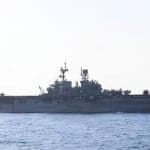


The United States has lifted its maritime blockade on Iran and ended all naval enforcement operations targeting vessels entering and exiting Iranian ports, according to US Central Command (CENTCOM).
CENTCOM said US forces are no longer blocking maritime traffic to or from Iranian ports and that all enforcement actions linked to the blockade have stopped, following direction from President Donald Trump.
However, US naval ships will remain in the region to monitor the situation and ensure the agreement is followed.
“American forces are not impeding the transit of vessels to or from Iranian ports,” CENTCOM said in a statement on X, adding that naval assets would stay nearby “to make sure that all aspects of the agreement are adhered to, obeyed and in full force and effect.”
The announcement follows the signing of a memorandum of understanding between the United States and Iran aimed at ending a 110-day conflict and restoring maritime movement through the region.
Under the agreement, Iran is expected to reopen the strait and help restore shipping traffic to normal levels. The Strait of Hormuz is one of the world’s most important energy routes, used heavily for global oil and LNG shipments.
US Vice President JD Vance said more than a dozen ships had already passed through areas previously affected by the blockade. He also said oil flows through the Strait of Hormuz had reached their highest level since the conflict began.
He added that Iranian forces had not targeted ships in the strait for two consecutive nights and said Iran was, so far, following its commitments.
CENTCOM has allowed more than a dozen vessels to pass through previously restricted areas as part of the early phase of the agreement, Vance said.
Ship tracking data showed that three Saudi supertankers carrying about six million barrels of crude oil passed through the Strait of Hormuz shortly after the agreement was signed, marking a rise in tanker activity in the region.
The Strait of Hormuz handles a large share of global oil and LNG trade. Before the conflict, around 20% of the world’s petroleum shipments moved through the waterway each year.
Iranian state media, however, said vessel movement through the strait still needs coordination with the Islamic Revolutionary Guard Corps (IRGC) navy, suggesting some operational controls may remain in place.
The United States has maintained that it will not allow tolls or restrictions on international waterways, and that any final agreement must ensure free movement through the strait.
Although the blockade has ended, US naval forces will stay deployed in the region while the agreement is implemented.
The 60-day period under the memorandum has now begun, according to US officials, during which both sides are expected to follow the agreed terms, including steps linked to nuclear inspections and sanctions relief discussions.
US officials say further progress will depend on verified actions on the ground, not statements.
References: India Today, CNBCTV18
Want to read more?
Check out the full article on the original site