Over 30 Iranian Oil Tankers Carrying 50 Million Barrels Head To Asia Under U.S. Sanctions Waiver
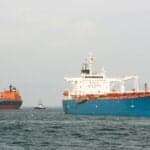


More than 30 oil tankers carrying over 50 million barrels of Iranian crude are heading to Asia after the United States temporarily eased sanctions on Tehran’s oil exports, allowing shipments to move openly for the first time in months.
Shipping data shared by energy analyst Dr. Anas Alhajji, based on Kpler tracking, shows the tankers are sailing with their Automatic Identification System (AIS) transponders switched on instead of operating as part of Iran’s shadow fleet.
The movement follows a Memorandum of Understanding (MoU) signed by the United States and Iran last week, which included steps to reopen the Strait of Hormuz and ease restrictions on Iranian oil exports.
The tanker convoy is one of the largest publicly tracked movements of Iranian crude in recent months and signals a rapid return of Iranian oil to Asian markets after months of disruption.
The U.S. Treasury has also issued a 60-day general licence, effective from June 22 until around August 21, allowing the production, delivery and sale of Iranian crude oil, petroleum products and derivatives.
The licence also covers related banking, insurance and shipping services.
U.S. Treasury Secretary Scott Bessant said the waiver was issued after Iran agreed to keep the Strait of Hormuz open for international shipping and allow inspectors from the International Atomic Energy Agency (IAEA) into the country as part of ongoing negotiations.
The temporary waiver is expected to remain in place while both sides work towards a broader agreement that could eventually end the sanctions.
The latest shipments mark a major change from the situation just weeks ago, when a U.S. naval blockade left several loaded Iranian tankers stranded in the country’s waters.
According to the source material, during the conflict the U.S. Navy fired Hellfire missiles at the engine rooms of internationally owned tankers in the Gulf of Oman, saying the ships were carrying sanctioned Iranian oil and violating the blockade.
One of those attacks reportedly killed three Indian seafarers.
Separate tracking by advocacy group United Against a Nuclear Iran (UANI) shows around 15 large Iranian-registered tankers loaded with crude have left Iranian ports for East Asia.
Unlike before the conflict began on February 28, those vessels are sailing with AIS transponders switched on, allowing their movements to be tracked publicly.
The two figures refer to different datasets. Kpler tracking cited by Alhajji shows more than 30 tankers carrying Iranian crude towards Asia, while UANI specifically tracked around 15 Iranian-registered tankers that departed Iranian ports.
China is expected to remain the biggest buyer of Iranian crude, as it has been for several years, mainly through independent refiners. Other possible buyers include India and countries in Southeast Asia.
The shipment is expected to provide a significant financial boost for Iran. With Brent crude trading at around $78 per barrel on June 22-23 and Iranian crude now selling much closer to global benchmark prices, the cargo of more than 50 million barrels could generate an estimated $3.75 billion to $3.9 billion in gross revenue.
The return of Iranian oil is also expected to increase global crude supplies. Oil prices, which climbed above $100 per barrel during periods of heightened tensions around the Strait of Hormuz, have fallen back to around $78 as supply concerns eased.
The sanctions waiver could also change how Iranian crude is shipped. For years, many cargoes were transferred between vessels through ship-to-ship (STS) operations at Malaysia’s Eastern Outer Port Limits (EOPL) before continuing to Asia.
Charlie Brown, Senior Advisor at UANI, said it remains to be seen whether exporters will stop using those established transfer networks.
“The key question is whether this represents a genuine change in operating behaviour. We expect most may still conduct STS transfers in the EOPL area, as the supporting networks are well established. But vessel tracks over the coming week should reveal whether they stop there or transit directly onward to China,” Brown said.
UANI data shows how sharply Iran’s exports fell during the blockade. Iran exported about 29.7 million barrels of oil in April, but shipments dropped to around 2.01 million barrels in May after restrictions tightened.
The coming weeks will show whether Iranian tankers begin making direct deliveries to Asian buyers under the temporary sanctions waiver or continue using the long-established ship-to-ship transfer network in Malaysia. That will also indicate whether the recent easing of restrictions leads to a lasting change in Iran’s oil export operations.
References: energynewsbeat, thelogisticnews
Want to read more?
Check out the full article on the original site