Qatari PM Visits Oman to Broker Strait of Hormuz Talks With Iran and Gulf States
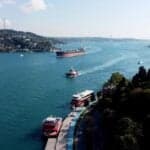


Prime Minister of Qatar, Sheikh Mohammed bin Abdulrahman al-Thani, arrived in Oman to talk with the government regarding negotiations involving Iraq, Iran and other Gulf neighbours over the Strait of Hormuz.
These discussions are different from the U.S-Iran Peace deal and the de-mining operations and focus on the future of Hormuz and its management.
According to reports, Gulf countries might push for no transit fee in the Strait of Hormuz, while Iran is likely to propose a navigation and security fee in the strategic waterway.
The Straight of Hormuz handles one- fifth of the global Oil and LNG supplies, which have been disrupted since the US and Israel launched attacks against Iran on February 28, leading to the closure of the strategic waterway.
Due to ships remaining stuck on either side of the Strait, unable to move to their destinations, countries around the world face oil and gas shortages, inflation and many other issues.
This development appears to implement a provision of the MOU signed between the US and Iran, which calls for the latter to hold talks with Oman and Gulf neighbours on the management of maritime services and navigation in the waterway.
Pakistan will mediate these talks as well, according to sources.
Additionally, regional reconciliation discussions will be held in Riyadh between the Gulf countries and Iran.
Amidst this, Oman also announced two temporary routes for ships, north and south of the Strait, to facilitate the safe passage of ships from the region, in coordination with the IMO.
According to the evacuation plan, ships would be grouped and contacted to give instructions regarding the time of departure and which route they need to take.
Oman has said that though the evacuation plan aims to help ships leave Hormuz safely, captains and the shipowners are responsible for conducting independent risk assessments before the journey.
Ships have been told to keep their Automatic Identification System activated during transit and to report any navigational hazards to the Oman Maritime Security Centre.
Want to read more?
Check out the full article on the original site