Ships Begin Crossing Hormuz Strait Under New UN Evacuation Scheme
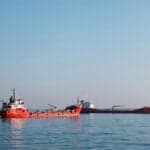


Ships have started to cross the Strait of Hormuz under the International Maritime Organisation’s evacuation scheme to safely evacuate all ships trapped inside the waterway due to the U.S-Iran war.
According to reports, two dry bulk ships and a cargo ship crossed the waterway under the scheme in the last 12 hours.
The initiative began after the signing of the US-Iran ceasefire deal.
Ships have been instructed to use two temporary routes to leave the Strait: a northern lane via Iranian waters and a southern route via Oman-U.S coordinated waters.
Vessels have to wait for instructions to proceed to avoid crowding the waiting area since it could lead to collisions or accidents, said an IMO official.
The IMO initiative, however, does not support vessels wanting to enter Hormuz to load cargoes from Middle East Ports.
Around 35 small cargo ships, mainly dry bulk carriers and container ships and 5 oil tankers and tugs are preparing to cross the critical waterway under the evacuation plan of the U.N maritime agency.
The Traffic Separation Scheme was adopted by the IMO in 1968.
It established trade lanes through Iranian and Omani waters in the strait; the central part cannot be used currently due to the risk of mines.
Traffic in the Hormuz has increased in recent days, with voyages averaging over 26 ships daily in the past few days compared to just 9 or 10 daily during the U.S-Iran war.
Before the war, Hormuz saw atleast 125 ship crossings every day.
Additionally, more ships are now sailing with their transponders turned on, but some might have gone undetected due to a disruption of AIS signals and also ships not showing their movements through the waterway.
Around 500 to 600 ships remain stranded inside the waterway, which includes 100 oil tankers, per the latest estimates.
This scheme was brought about to ensure the safety of navigation in the Strait of Hormuz and to avoid accidents.
However, it also states that shipowners and masters must conduct independent voyage risk assessments before becoming a part of the evacuation plan, and they remain responsible for the ship at all times.
The scheme also states that ship movements may be suspended at any time for safety, security, or naval deconfliction purposes.
Want to read more?
Check out the full article on the original site