Germany Scraps Largest Warship Programme Since WWII, Shifts To Smaller Frigates To Speed Up Naval Expansion
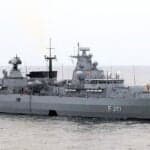


Germany has cancelled its multibillion-euro programme to build six F126 frigates, the largest warships planned for the German Navy since World War II, and will instead buy eight smaller MEKO A-200 frigates as it looks to expand its navy more quickly.
The German Defence Ministry said it decided to drop the delayed F126 programme and purchase the proven MEKO A-200 design from German shipbuilder TKMS.
Berlin has removed defence spending from its constitutional borrowing limits and plans to invest about €780 billion by 2030 in military equipment, infrastructure and personnel.
Chancellor Friedrich Merz has said he wants Germany to have the largest conventional military in Europe by the end of the decade.
The F126 programme began in 2020 when Dutch shipbuilder Damen Naval won a contract to build four multi-purpose frigates for the German Navy. In 2024, Germany expanded the order by adding two more ships, taking the total to six.
The F126 frigates were designed to replace the ageing Brandenburg-class (F123) frigates and would have been the largest surface warships introduced into the German Navy since World War II.
Each vessel was planned to be about 166 metres long, displace around 10,000 tonnes and carry out a wide range of missions during long deployments at sea.
One of the ships’ main features was a modular design that would allow equipment, sensors, weapons and mission spaces to be changed depending on operational needs.
However, the project ran into repeated delays, software problems and communication issues between Damen Naval and Germany’s defence procurement agency.
The first ship, Niedersachsen, was originally expected to enter service in 2028, but delivery was later pushed back to around 2032.
Germany later started the process of transferring the programme to Rheinmetall after Damen failed to meet the planned budget and delivery schedule.
Rheinmetall CEO Armin Papperger said last month the company expected to finalise an agreement to take over the programme in the second quarter.
During the negotiations, the estimated cost of the six frigates increased from about €10 billion to €18 billion, according to the Defence Ministry.
The ministry also said continuing with the project would have required Germany to give up potential damage claims against the previous contractor.
Industry reports said around €2 billion had already been spent on the programme. Rheinmetall had expected to lead the project under a contract estimated at around €12.8 billion, making it one of the company’s biggest defence deals.
Instead, Germany now plans to buy eight MEKO A-200 frigates from TKMS. The Defence Ministry said the first four ships will cost about €6.3 billion, while an option for four more is valued at €5.3 billion.
According to defence officials, the MEKO A-200 is particularly suited for anti-submarine warfare and is based on a proven design that can be delivered more quickly. TKMS said it expects to hand over the first frigate in 2029.
The change also reflects lessons from the war in Ukraine. German defence officials said the conflict has highlighted the risks faced by large surface warships from drones operating in the air and underwater.
As a result, the German Navy is placing greater importance on bringing new ships into service sooner rather than waiting longer for more advanced designs.
The decision is also a setback for Rheinmetall, which has expanded from making ammunition and land systems into naval shipbuilding, drones and satellites. The company declined to comment on the cancellation.
The move follows Germany’s recent decision to withdraw from the Future Combat Air System (FCAS), a joint fighter aircraft project with France, after the companies involved failed to agree on who would lead the programme.
TKMS said the option to order four more MEKO frigates could allow greater involvement from other German shipbuilders.
References: wsj, reuters
Want to read more?
Check out the full article on the original site