•2 min read•from Frontiers in Marine Science | New and Recent Articles
Status of Indo-Pacific humpback dolphins (Sousa chinensis) in Hong Kong, in the context of the wider Pearl River Estuary population
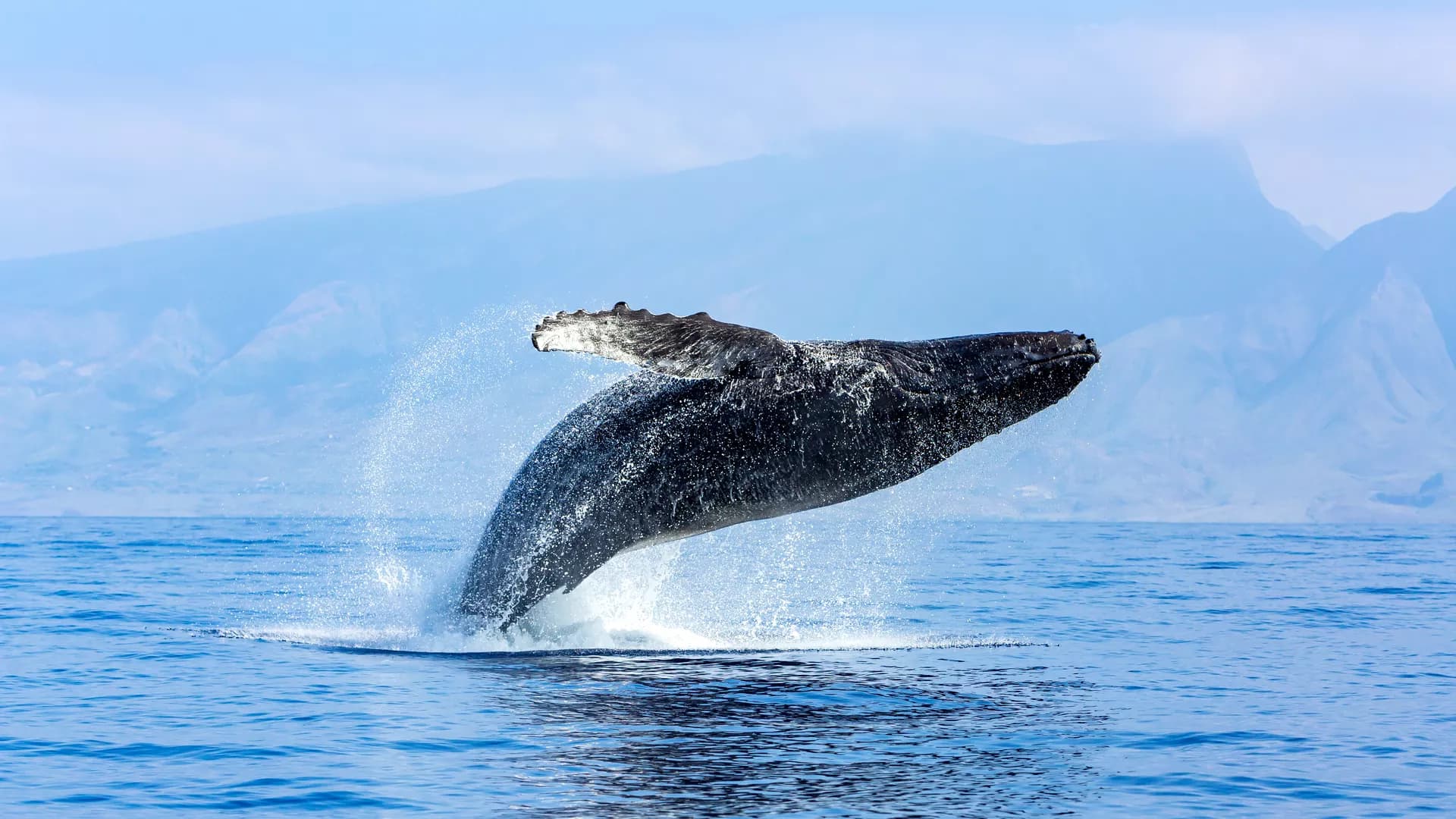
The largest-known population of Indo-Pacific humpback dolphins (Sousa chinensis), consisting of approximately 2,000 individuals, occurs in the estuary of the Pearl River (China’s second largest river), and uses waters of Guangdong Province, Macao, and Hong Kong as parts of its range. It has been intensively studied in Hong Kong since the early 1990s, and in that area has shown a sustained decline for more than a decade. The main threat appears to be loss and degradation of habitat due to large-scale engineering projects, but other threats (e.g., vessel collision, fisheries by-catch, pollution) also exist, and some evidence suggests that the overall population is nearing a critical point for population recovery. Recent impact assessment work in Hong Kong using vessel-based, land-based, and acoustic surveys is presented here and we attempt to put the Hong Kong situation into the context of the wider Pearl River population. Despite the large body of work that has been done on these animals in the past three decades, there are still many unanswered questions. Now is the right time to take appropriate action to protect critical habitat and conduct focused work to halt the decline, and promote population recovery, thereby increasing the prospects for long-term survival. Because the Pearl River Estuary population is still relatively large and apparently viable, the chances for success appear promising. We conclude with a series of recommendations for wildlife management authorities.
Want to read more?
Check out the full article on the original site