Shipping Must Not Be Used As Collateral In U.S-Iran War, Says IMO Chief
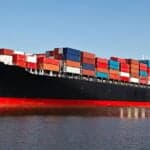


International Maritime Organisation Secretary-General Arsenio Dominguez said that shipping should not be used as collateral in any geopolitical conflict.
He also spoke about the impact of the US-Iran war on seafarers, and how they felt ‘forgotten’ by the world, even as their lives remain in danger.
The news channels, media, and the world have focused on rising oil prices and financial losses, but not enough attention has been paid to these professionals who risk their lives at sea, he added.
His remarks come after several attacks on ships in the region, including earlier this month off Oman, in which 3 Indian seafarers were killed when the U.S forces attacked the tanker Settebello.
Indians comprise 12% of the global seafaring workforce, and the number of Indian seafarers has increased from 1.25 lakh to over 3 lakh, making the country one of the world’s top three suppliers of seafarers.
India also raised opposition to the attacks on commercial shipping in the Strait of Hormuz since many Indians lost their lives and some even remain missing as a result of these attacks.
Dominguez added that IMO’s work has focused on seafarers from the beginning and securing their well-being.
He expressed sadness over the death of 14 seafarers in over 40 attacks on ships in the region.
He also spoke to some seafarers who had escaped the region and recounted the horrific events they had to endure.
IMO’s focus has been working with flag states of the ships and the ship owners to provide support to seafarers still stuck there.
This includes ensuring supplies of food, medicines, fuel and drinking water and helping seafarers contact their families.
He added, “All actions affecting international shipping must fully respect international law and the safety of life at sea. The protection of seafarers is a shared responsibility that must remain paramount.”
Want to read more?
Check out the full article on the original site