Why Adult Acne Is Becoming More Common In 2026—And How the Experts Suggest Treating Breakouts
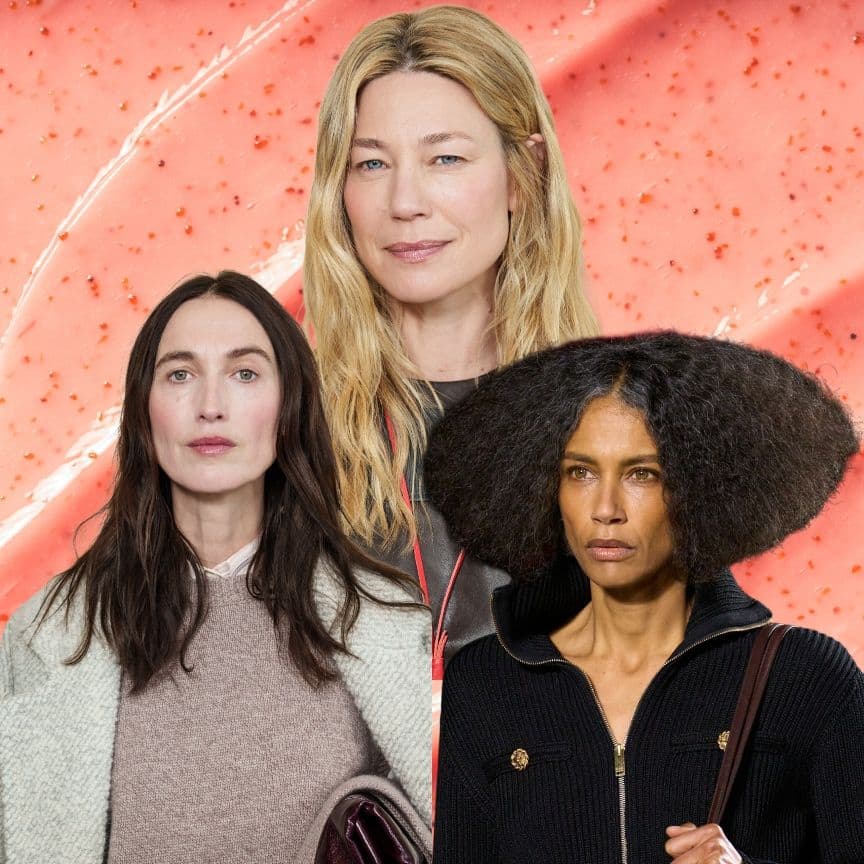
Call me naive but I always assumed that one of the best parts of getting older—at least from a beauty perspective—was the inevitable demise of breakouts. After the unpredictable zits that popped up throughout the teen years and the hormonal shifts that plagued the early 20s, arriving to the 35+ age demographic was supposed to mean that acne was firmly in the rear view mirror. In place of whiteheads, there would be fine lines, and concerns about clogged pores would give way to laxity anxiety (essentially a never ending struggle on the skincare front). My, how wrong I was.
As a 36-year-old woman, I have seen more pesky closed comedones and angry pimples in the past few years than my late 20s and early 30s combined. Among the frantic texts I've fired off to my dermatologist: Is this normal? How do I get rid of these? Why is my skin so temperamental?? And according to my fellow mid-to-late 30-somethings, I'm not the only one seeing a rise in adult acne.
"While acne is often thought of as a teenage condition, it is increasingly common to see women seeking treatment for persistent or new-onset breakouts in their 30s, 40s and beyond," says Marisa Garshick, MD, FAAD, a board-certified dermatologist in New York City (and the recipient of many of my acne-related texts). "Acne is one of the most common conditions I treat, and in a typical day, acne concerns account for 30 percent of my visits. A significant proportion, often close to half, are adults over the age of 30."
So what is behind the rise of adult acne in 2026, and what exactly do the experts recommend doing to combat breakouts and return to calm, clear, healthy skin? Tired of my own pimple problems, I went searching for answers.
The Rise of Adult Acne
While it's inevitable to experience a rogue pimple or two after your teen years, many experts have seen a higher number of patients and clients over 30 with acne-related issues. "We see over 600 clients a month at the studio, and the vast majority come in for some form of acne concern," says Sofie Pavitt, a New York-based esthetician and founder of Sofie Pavitt Face. "I would say most are between 25-40, so [we] really a focus on adult acne for sure."
Dr. Garshick also notes that many of her patients land in her office to address unwanted breakouts, and many of them are in their 30s, 40s, and beyond. "The number seems to have increased and become more apparent over time," she says. "While adult acne has always existed, there is greater awareness now about 'adult acne' and more people are seeking treatment rather than simply accepting it as something they have to live with." She adds that the prevalence of social media has resulted in a growing interest in hormonal influences on the skin, and encourages more adults to seek treatment, whether by consulting a board-certified dermatologist or a licensed esthetician.
What Hormonal Shifts Occur In the 30s and 40s for Women?
If you're a woman over 35, you've likely been bombarded with messaging about how you've entered the era drastic hormonal shifts, whether that's speaking to geriatric pregnancy or perimenopause. Sadly, these changes can have a major impact on your likelihood to develop adult acne as well. But what exactly is causing such frustrating changes to your skin condition?
As clinical pharmacist Stephanie Redmond, PharmD, CDCES, BC-ADM, and founder of Dr. Stephanie’s Vitamins and Supplements explains of this period of life, "Estrogen becomes erratic (perimenopause) and then declines," noting that the decrease can be mild or rapid. "Progesterone and testosterone both also consistently decline. The hormone changes trigger a cascade of events that impact your gut microbiome, stress response (i.e. cortisol levels), and insulin resistance, which all can impact skin complexion and acne production."
She notes that when estrogen drops, your androgens and testosterone levels become unbalanced and more dominant. "Without estrogen to 'quiet down' androgens, the androgens can wreak havoc on skin, increase sebum production, and clog pores." Fun fact: this is the same process that contributes to age-related hair loss. "Estrogen is pro-hair growth, [while] DHT (androgen) miniaturizes hair follicles," says Dr. Redmund. "So the same hormone fluctuations causing acne is causing hormonal hair loss in women entering their 40s. "
Dr. Garshick explains that the reason why more mature woman are experiencing breakouts isn't just attributed to hormones, but rather results from a combination of factors including hormones, stress, and other environmental triggers. "For some people, the breakouts may only occur in relationship to their menstrual cycle which sometimes can indicate that it is hormonal [acne]. In many cases, adult acne is multifactorial, so it may not be one single cause but rather several factors working together." She adds that some people may even see breakouts for the first time, even if they didn't experience acne as a teenager (fun!).
What Lifestyle Factors Cause Adult Acne?
Like so many skin conditions that result from inflammation in the body (eczema, perioral dermatitis, and more), acne is prone to flaring when you make certain lifestyle choices. Yes, that means more than just what night cream you apply on a given day.
The reason why more mature woman are experiencing breakouts results from a combination of factors including hormones, stress, and other environmental triggers.
"It is always best to focus on stress management, maintain good sleep habits, and follow a balanced diet," says Dr. Garshick "Some individuals may notice that foods with a high glycemic index or excessive dairy intake can worsen breakouts." Pavitt agrees, noting that she's had a lot of clients find success when they increase their fiber intact. "There’s limited data, but I see a huge link between diet and breakouts," she says. "Sleep hygiene and stress management can also be so impactful." She also emphasizes that not every skincare product on the market is a must-have in your daily routine. "I think that everyone is doing way too much," says Pavitt. "Just because an ingredient is trendy and gets a lot of press it doesn’t mean it’s right for you."
What Ingredients Should You Use to Treat Adult Acne?
While many of the acne-fighting ingredients the experts recommend for mature skin types is similar to those for teens and 20-somethings, there are a few caveats. "The approach often needs to be adjusted because mature skin is more prone to dryness and irritation," says Dr. Garchick. "For example, retinoids like adapalene or prescription tretinoin, salicylic acid, and benzoyl peroxide may still be used but for those with more sensitive skin other ingredients like azelaic acid and sulfur may also be considered."
She stresses that regardless of what ingredient is the most effective for your skin, it's best to only introduce one new product at a time. That way you can assess what's working, what's irritating, and whether or not it's worth more space in your beauty budget. "It is also important to support acne treatments with gentle skincare products such as cleansers and moisturizers that help support the skin barrier and reduce irritation using ingredients like ceramides, niacinamide, and hyaluronic acid," says Dr. Garshick.
Paying attention to the products in your routine is also important when eradicating acne. As Pavitt suggests, "double check your products (including hair care) for pore-cloggers." Comedogenic ingredients (those that can clog your pores) don't necessarily mean that they will lead to acne, but she suggests eliminating them from your skincare lineup to achieve your initial goal of calming breakouts, and then adding them back in one and at a time to see what works for you. These include things like shea butter, avocado oil, sweet almond oil—check the INCI list for a comprehensive guide to potentially pore-clogging ingredients.
The Final Word On Adult Acne
As with the acne you may have experienced as a teen, there is no magical quick fix to cure your adult acne. Finding the right combination of skincare products, lifestyle shifts, and expert help will take time and patience. But try not to get discouraged. "Lifestyle changes can feel overwhelming," says Dr. Redmond. "But try your best to give it a good two weeks. It doesn’t happen overnight, but this has to be foundational before chasing topical solutions and supplements. The best skin product in the world isn’t going to overcome poor sleep, diet, and out of control stress." If there was ever a reason to use some PTO, take a vacation, and get to bed earlier, finally getting rid of that stubborn adult acne feels like it's worthwhile. Do it for the sake of your skin.
The Best Products to Treat Adult Acne
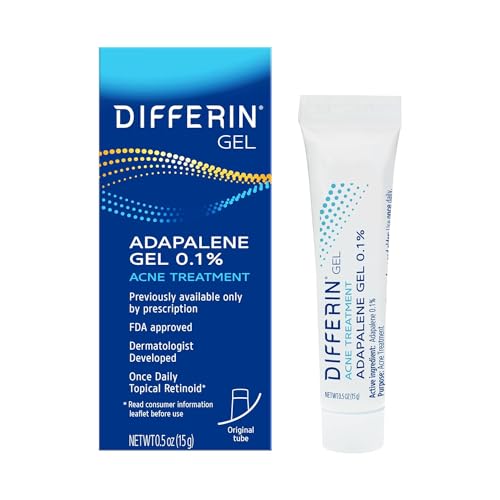
Adapalene is the strongest retinoid available over the counter, and will work fast to increase skin cell turnover and reveal clearer, brighter skin.
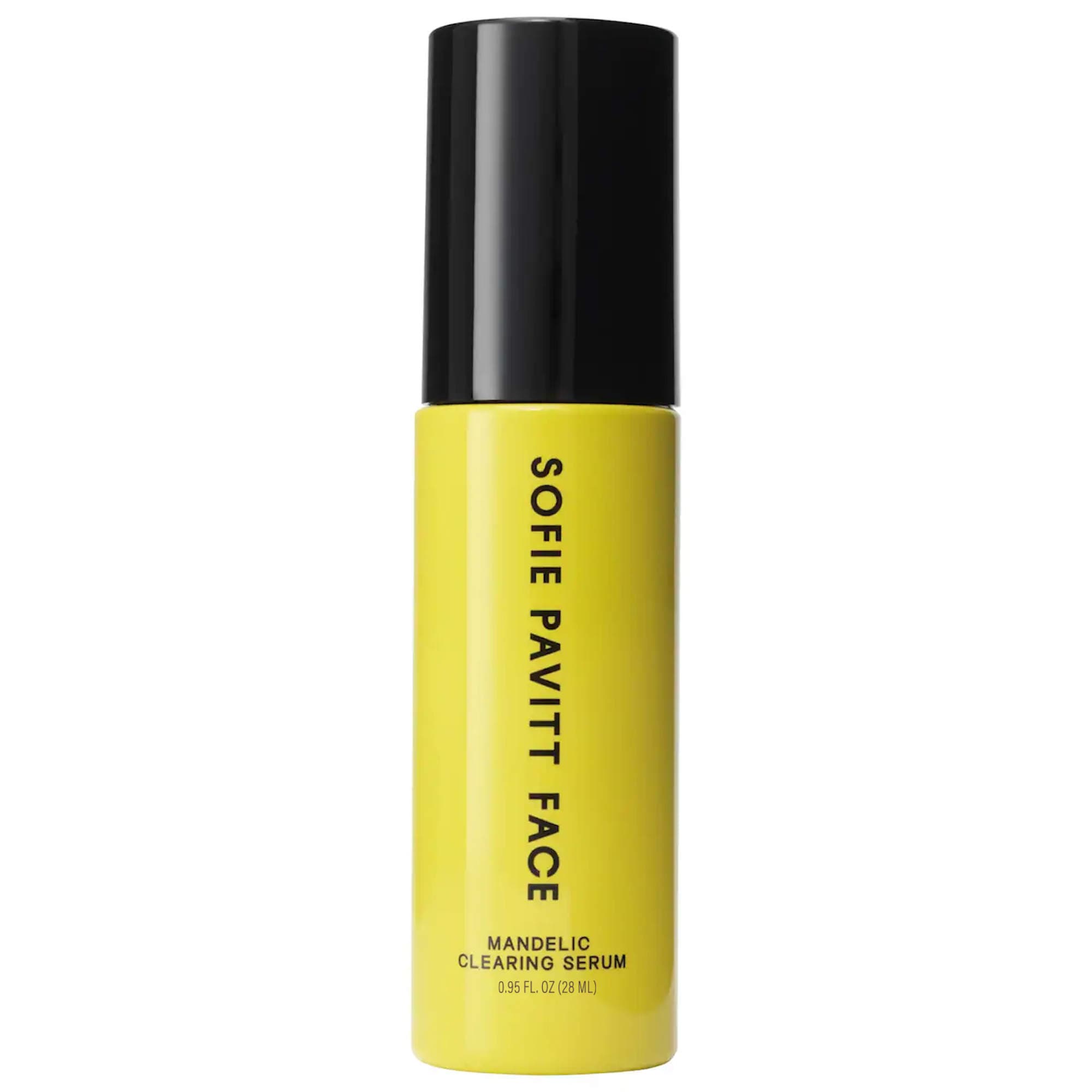
A gentle exfoliating serum will clear up dead skin and debris without stripping your face and causing more inflammation.
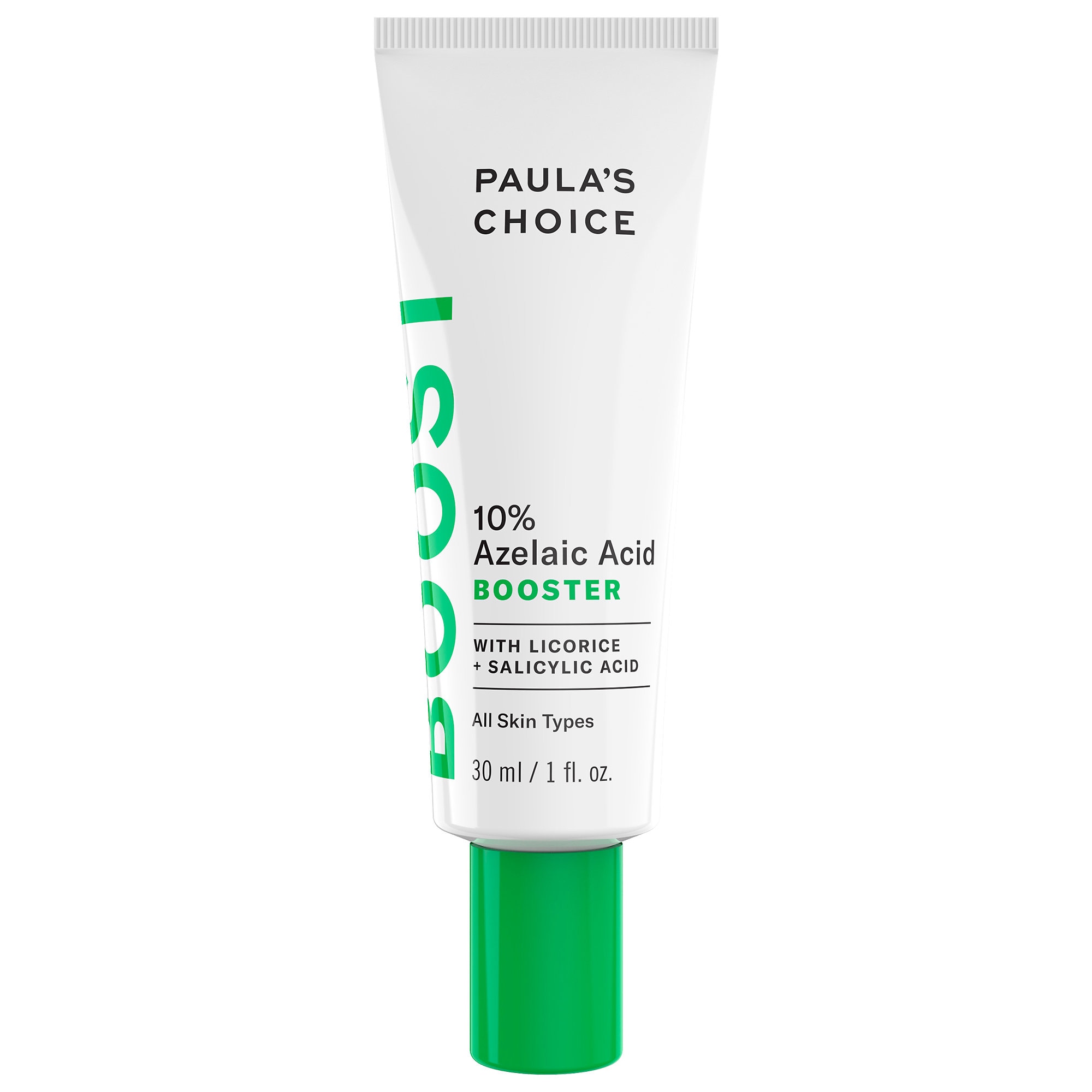
Banish breakouts and minimize post-inflammatory hyperpigmentation all in one application.
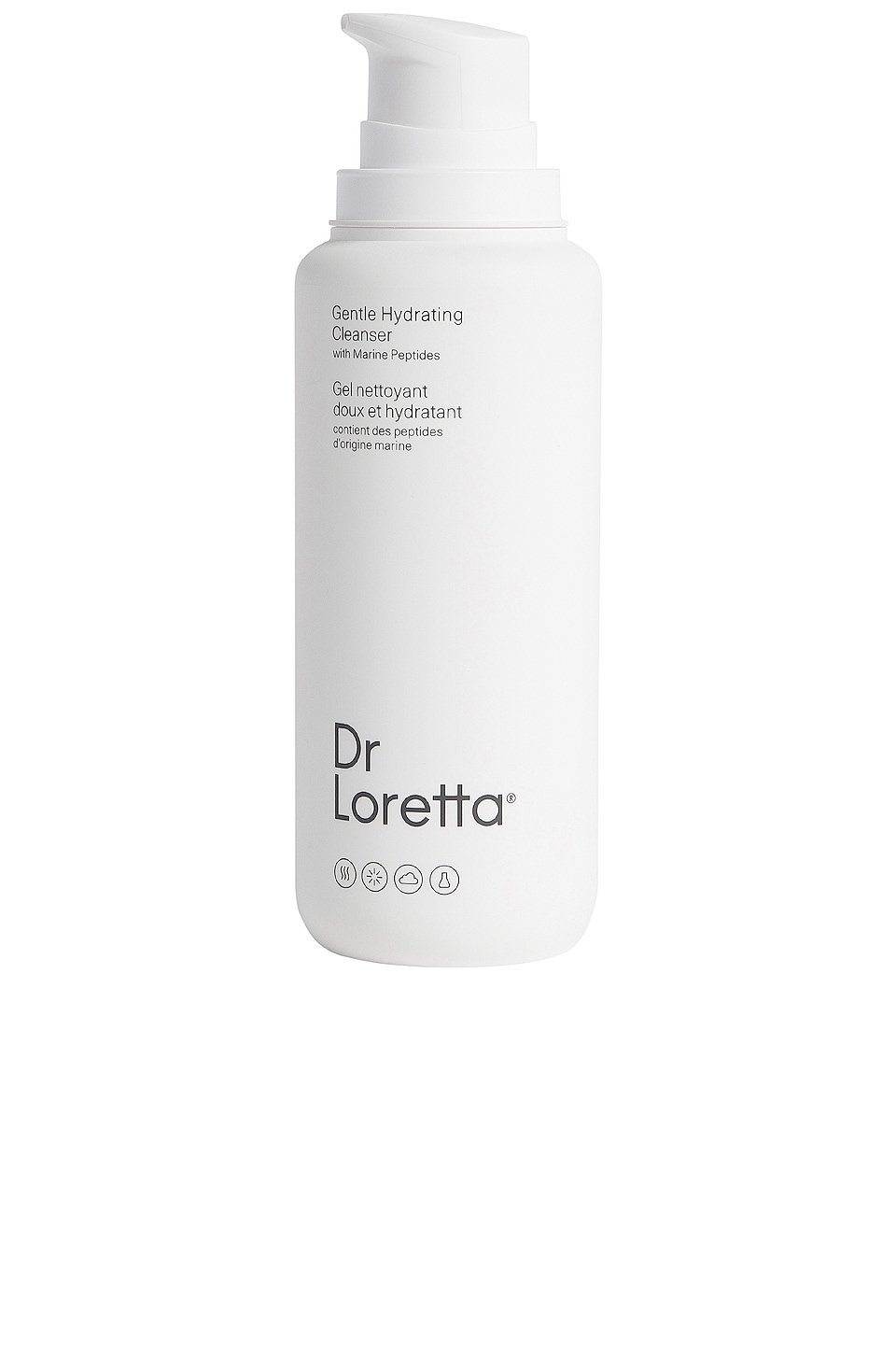
Use a gentle hydrating cleanser to keep your skin balanced and soothed while using acne-fighting products.
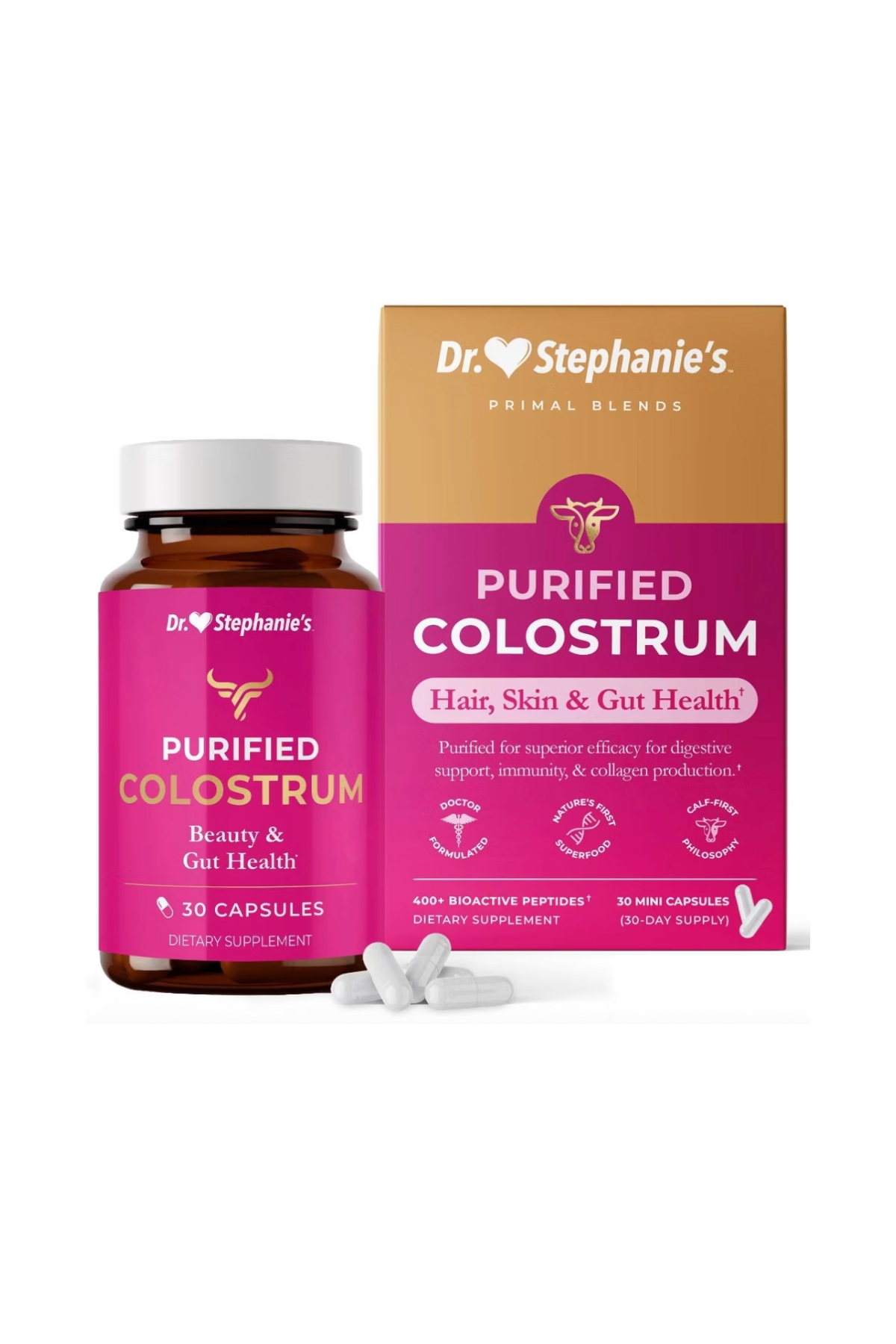
Enhance your gut health and digestion with colostrum supplements and reap the skin benefits.
Why Trust Marie Claire
For more than 30 years, Marie Claire has been an internationally recognized destination for news, fashion, and beauty trends, investigative packages, and more. When it comes to the products Marie Claire recommends, we take your faith in us seriously. Every product that we feature comes personally recommended by a Marie Claire writer or editor, or by an expert we’ve spoken to firsthand.
Meet the Experts
Want to read more?
Check out the full article on the original site