UK Navy To Build Six Drone-Equipped Combat Vessels Instead Of New Destroyers
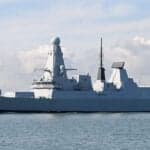


Britain has dropped plans to replace its ageing Type 45 destroyers with a new Type 83 class and will instead build at least six hybrid Common Combat Vessels (CCVs) designed to operate with drones, according to the Ministry of Defence (MoD).
The decision is part of the UK’s upcoming Defence Investment Plan (DIP).
The government said the new vessels will be better suited to future threats than a small fleet of large and expensive destroyers.
The Royal Navy’s six Type 45 destroyers are due to retire by the end of 2038. The Type 83 programme had been under consideration as their replacement but was still in the early design stage.
Instead, the government will invest in at least six Common Combat Vessels, which will act as control hubs for uncrewed systems operating in the air, on the sea surface and underwater.
The MoD said the ships will improve air defence while increasing the Navy’s reach, resilience and firepower without requiring a similar increase in crew numbers or costs.
The new vessels are expected to enter service from the early 2030s. Once operational, they will work alongside crewed frigates as well as future autonomous vessels.
Defence Secretary Dan Jarvis said the hybrid ships are being designed to deal with the growing threats facing the UK.
“These Common Combat Vessels will provide our dedicated sailors with hybrid ships that are designed and built for the increasing threats we face,” he said.
Jarvis added that the ships would be built in Britain with the help of British innovators, supporting jobs in UK shipyards while giving the Royal Navy capabilities designed for modern warfare.
The government has not said how much money has been allocated to develop the new vessels.
According to the MoD, the ships will support operations to counter Russian activity in the North Atlantic and High North, protect critical underwater infrastructure and strengthen NATO’s deterrence.
The announcement comes ahead of the publication of the Defence Investment Plan, which outgoing Prime Minister Sir Keir Starmer has promised to release before the NATO summit in Turkey on July 7 after months of talks over defence spending.
The naval programme follows the interception of a Russian “shadow fleet” oil tanker in the English Channel on June 14. At the time, Starmer said the operation showed that those supporting Russian President Vladimir Putin’s war in Ukraine would not be allowed to hide.
The MoD described the programme, which also includes support vessels, as a “once in a generation investment” in Britain’s maritime capabilities that will also create work for British shipyards.
The Defence Investment Plan has faced delays because of lengthy budget negotiations between the MoD, the Treasury and other government departments.
Former Defence Secretary John Healey and Armed Forces Minister Al Carns resigned in recent weeks, saying the government had not committed enough funding to address gaps in military capability or keep pace with the changing nature of warfare.
Healey said the government had failed to provide the level of investment needed to defend the country at a time of growing threats, while Carns said an earlier draft of the Defence Investment Plan was neither well funded nor ambitious enough.
Since taking over as defence secretary, Jarvis has revised the plan to focus more on equipment that can be delivered to frontline forces quickly, including new lethal strike drones.
Per reports, he secured additional funding for the plan, although there is no indication it will reach the extra £28 billion Healey had previously said was needed.
On Saturday, the MoD also announced £500 million to equip the UK’s Commando Force with new boats and the latest drone and autonomous technology.
Britain has pledged to increase defence spending to 2.5% of GDP by 2027 and, together with other NATO members, aims to raise it to 3.5% by 2035.
NATO figures show the UK spent 2.3% of GDP on defence in 2025, slightly below the alliance average excluding US spending.
In his resignation letter, Healey said the draft Defence Investment Plan at the time of his departure on June 11 would have increased defence spending to 2.68% of GDP by 2030.
The Sunday Times reported that Andy Burnham, who is widely expected to succeed Sir Keir Starmer as prime minister next month, has reviewed and approved the plan. It is expected to be published before he could take office on July 20.
References: Reuters, BBC
Want to read more?
Check out the full article on the original site