•1 min read•from Frontiers in Marine Science | New and Recent Articles
No data literacy, no ocean protection? A perspective on lowering barriers to data literacy in marine environmental sciences
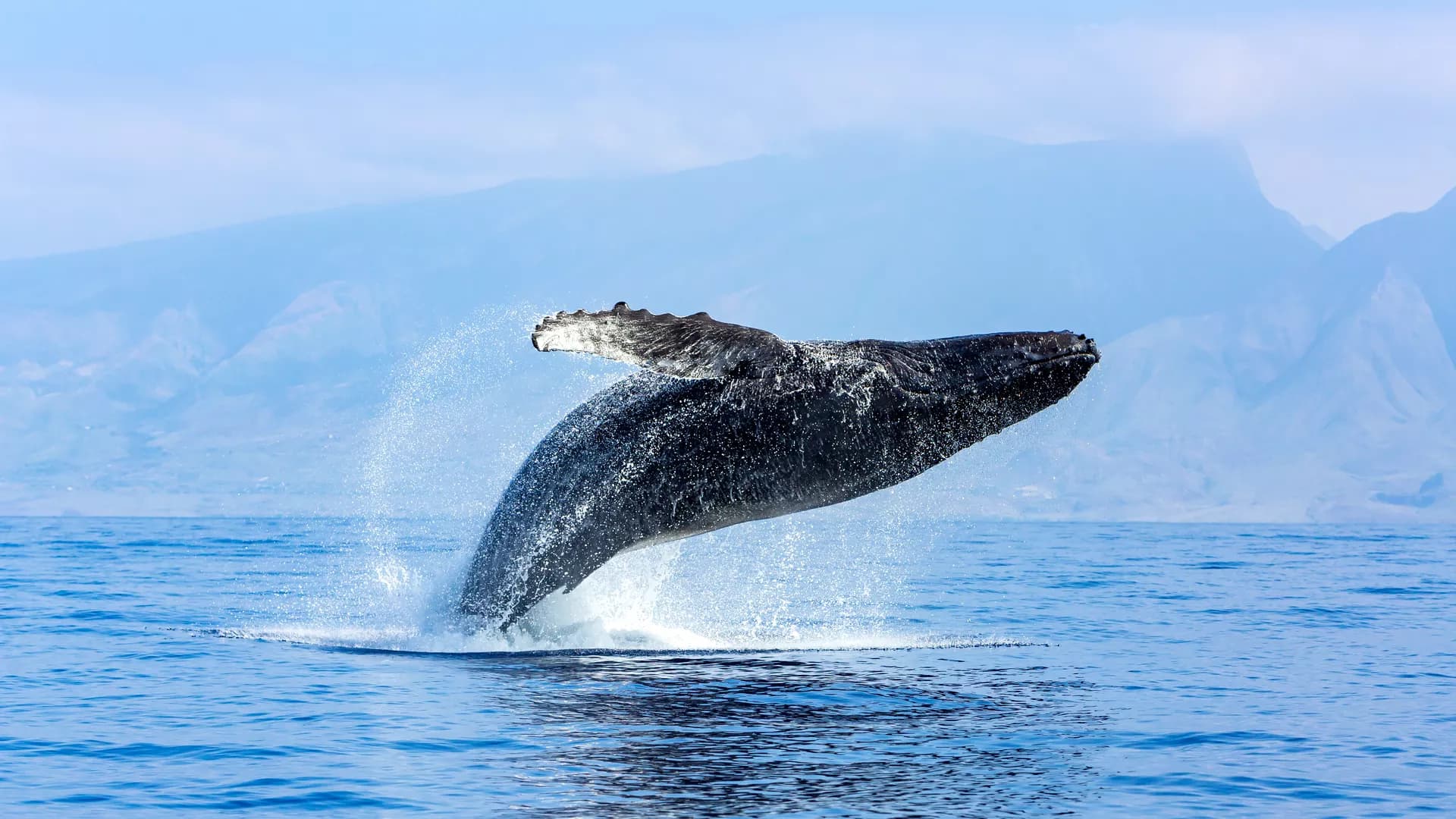
The Anthropocene is characterized by biodiversity and habitat loss that has developed over millennia. However, the more recent human-induced climate change requires humanity to take rapid actions to mitigate marine environmental change and adapt to its impacts. The analysis of global marine processes relies on reusable data as well as on methods that can handle the complexity and scale of these data, making data literacy a key component of ocean literacy. Here, we provide a perspective based on our experiences from the data competence center “DataNord” in Bremen, Germany, while considering the broader landscape of German initiatives and institutional support structures for data literacy and research data management in marine and environmental sciences. We identify common challenges, highlight practical needs, and discuss approaches in the context of the Ocean Decade, to make data literacy and research data management more accessible and practical for researchers. While rooted in marine sciences and the German research landscape, the insights presented here should also be relevant to other scientific disciplines and governments.
Want to read more?
Check out the full article on the original site
Tagged with
#ocean data
#marine science
#marine biodiversity
#climate change impact