The Books That Inspired Mara Brock Akil's Most Personal Story Yet
When you're looking to get lost in a book, sometimes you need your reading material to match your mood. With Marie Claire's series "Buy the Book," we do the heavy lifting for you. We're offering curated, highly specific recommendations for whatever you're looking for—whether you're in your feels or hooked on a subgenre trending on #BookTok.
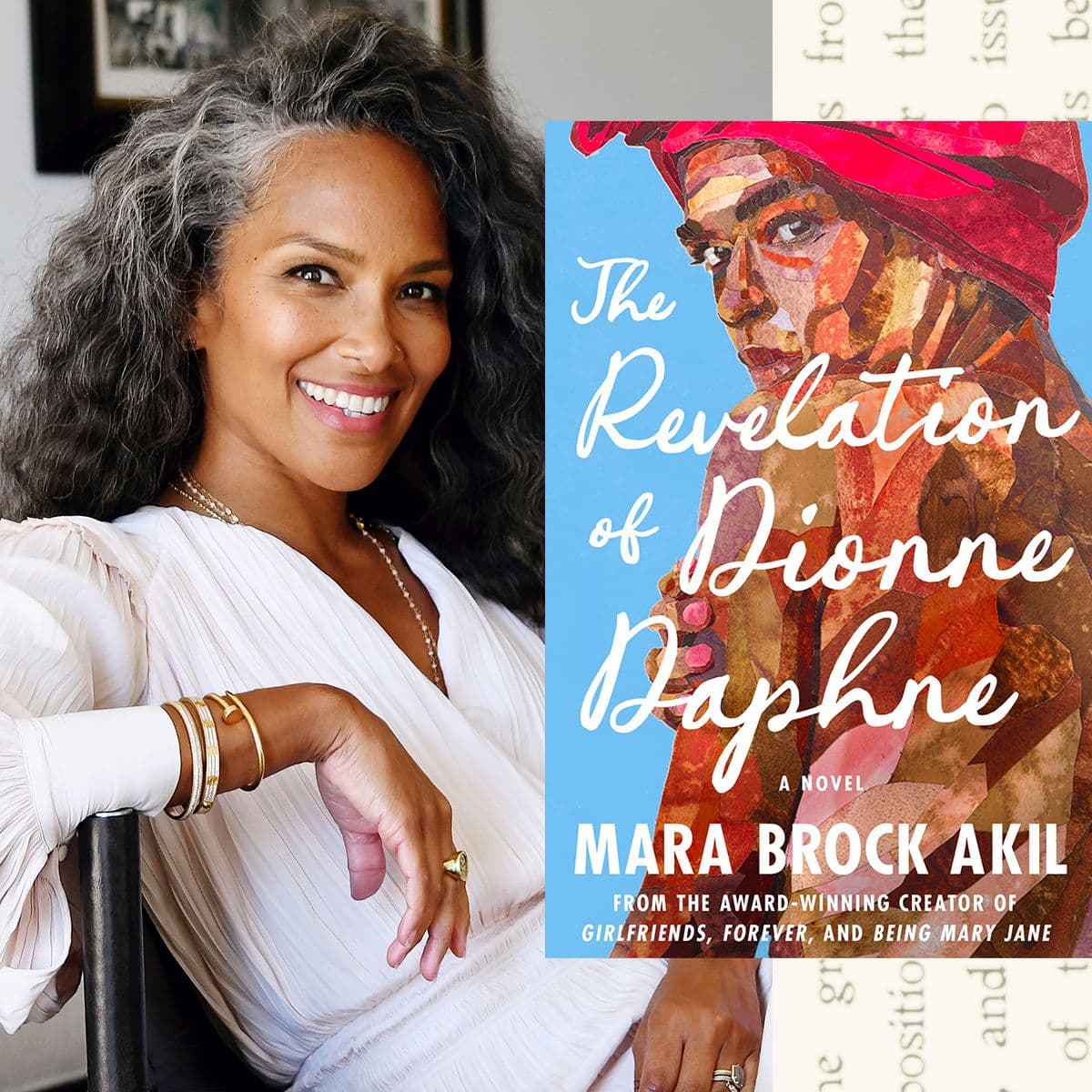
In this author-curated rendition, Mara Brock Akil—showrunner behind hits like Girlfriends, Being Mary Jane, and Forever—shares the books that inspired her first novel, The Revelation of Dionne Daphne.
Legendary showrunner Mara Brock Akil has spent the past three decades creating TV shows that make Black women feel seen in all their humanity, ambition, and complexities. But for a story she hoped to tell but felt didn’t make sense on screen, the Girlfriends and Forever writer turned to literary fiction.
Brock Akil recently released The Revelation of Dionne Daphne, her debut novel about a magazine editor in early '90s N.Y.C. who's introduced while reeling from the end of her relationship with the man she thought she would marry. But when he shows up on her doorstep six months later with life-changing news, Dionne must face the trauma she has buried since her childhood.
Brock Akil explains to Marie Claire that writing Dionne for the page offered a medium that could “hold the full weight” of the character’s interiority, without compromise. “Television is a collaborative art form, and I love it deeply, but collaboration means negotiation—and what I was uncovering inside Dionne's life, the decades of shame and secrets that quietly authored her every choice, I wasn't willing to negotiate on that,” she says. “The novel let me hold all of it at once, without interruption.”
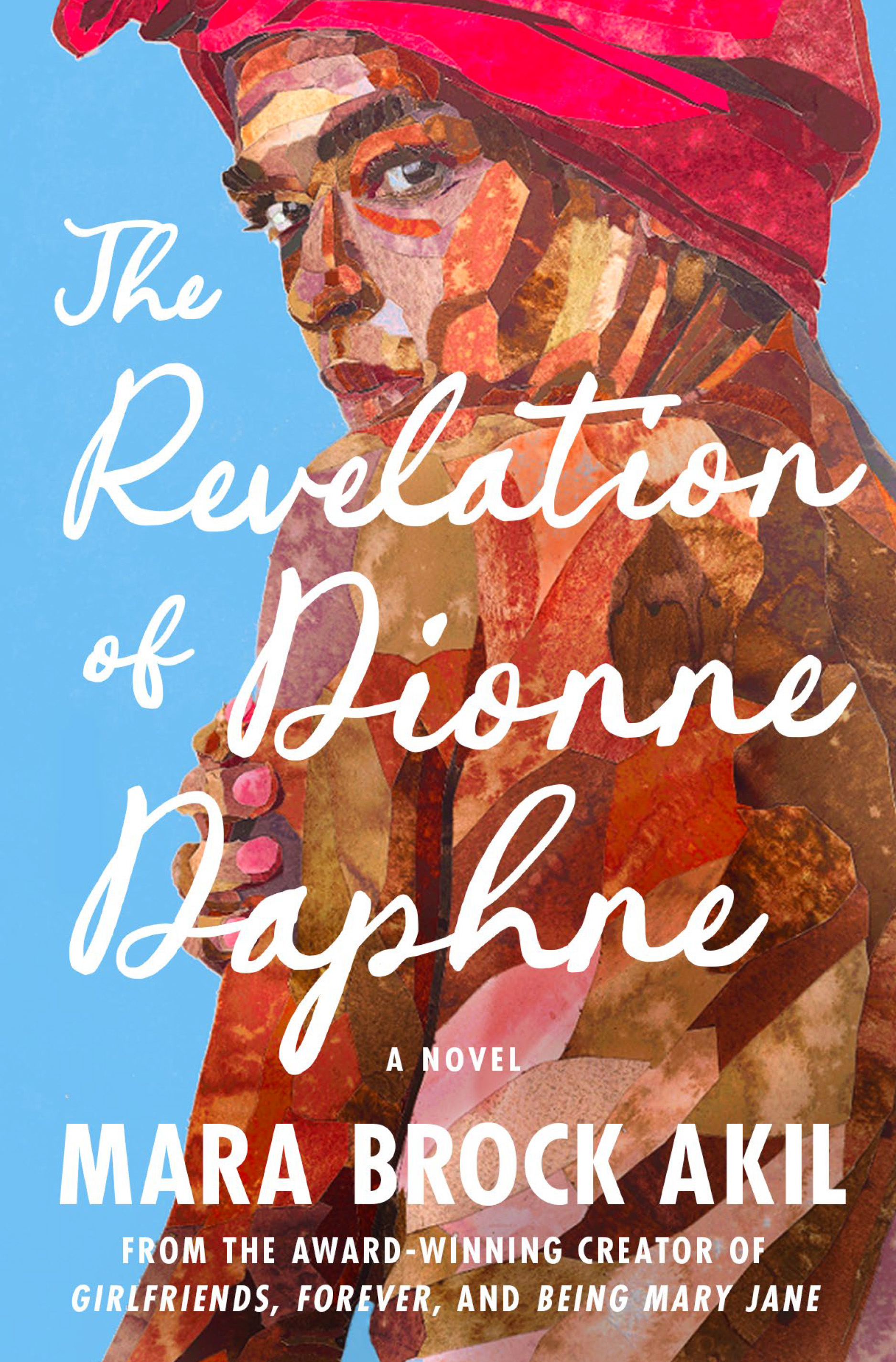
Brock Akil has always drawn from real-life experiences in her writing—but her debut novel is said to be her most personal story yet, as it examines the cultural baggage of past generations who often buried their pain under a perfect veneer. Dionne Daphne explores what ruminates beneath a Black woman's pursuit of perfection and shows the reader what can be found on the other side of self-discovery.
“Dionne hides behind a carefully crafted mask, but eventually she has to stand in the rubble and confront the messy parts of herself,” Akil explains. “What I love about her is that she's not a cautionary tale and she's not a redemption arc. She is a woman who understands she can no longer outrun her storms, that it’s better to be engulfed by them to be made whole; that is the revelation.”
To coincide with the release of her highly anticipated novel, which hit shelves on June 30, we asked the author to share which other books inspired it, from classic Black literature to recent bestsellers.
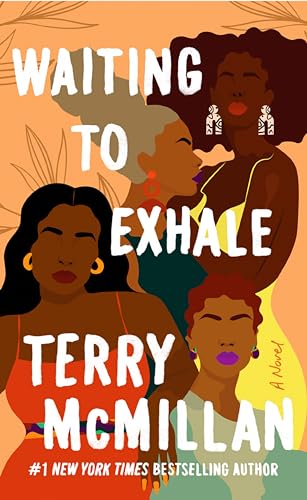
“I return to this book because it reminds me that our heartbreak, our joy, and our becoming is communal. These women weren’t waiting to exhale—they were learning how to breathe on their own terms. That lesson never expires, but it’s one Dionne definitely has to learn.”
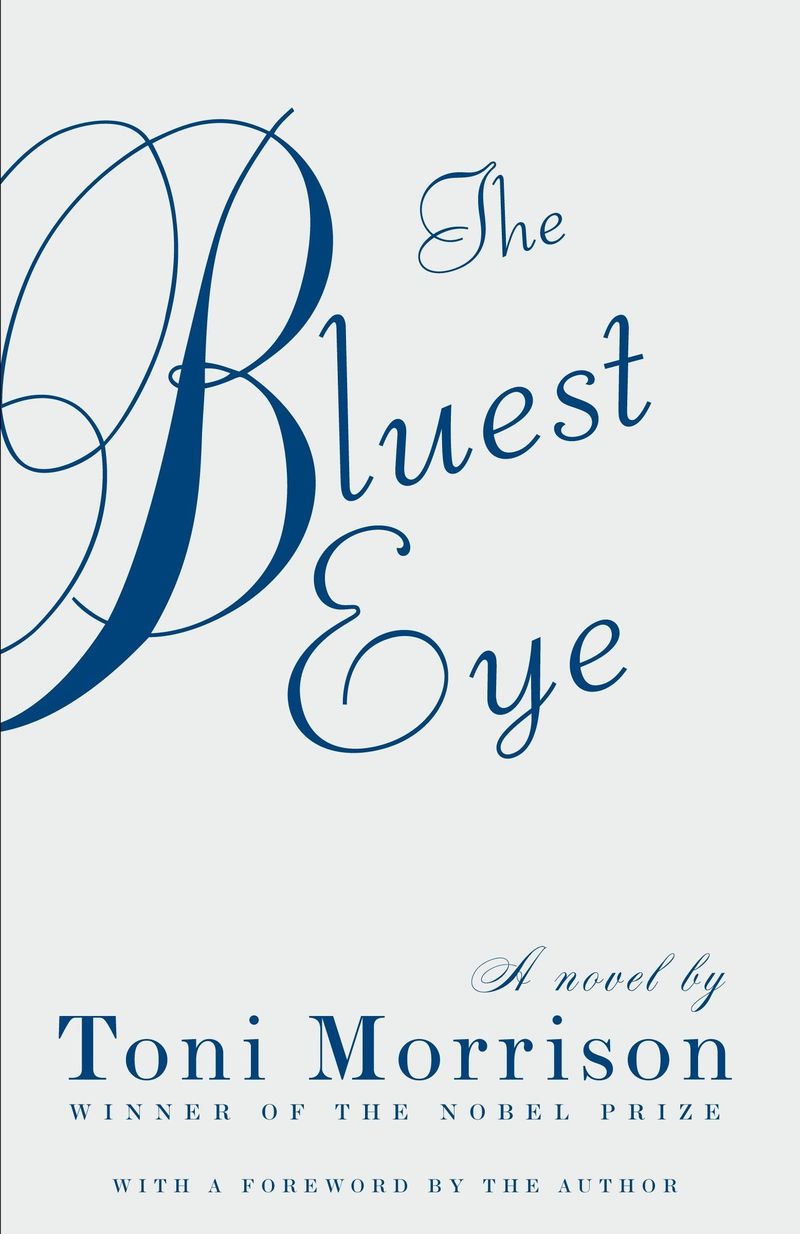
“The Bluest Eye is not an easy read—and it’s not supposed to be. It is a mirror held up to beauty, shame, and the violence of invisibility. Every time I revisit this novel, I’m reminded that storytelling can be both indictment and prayer.”
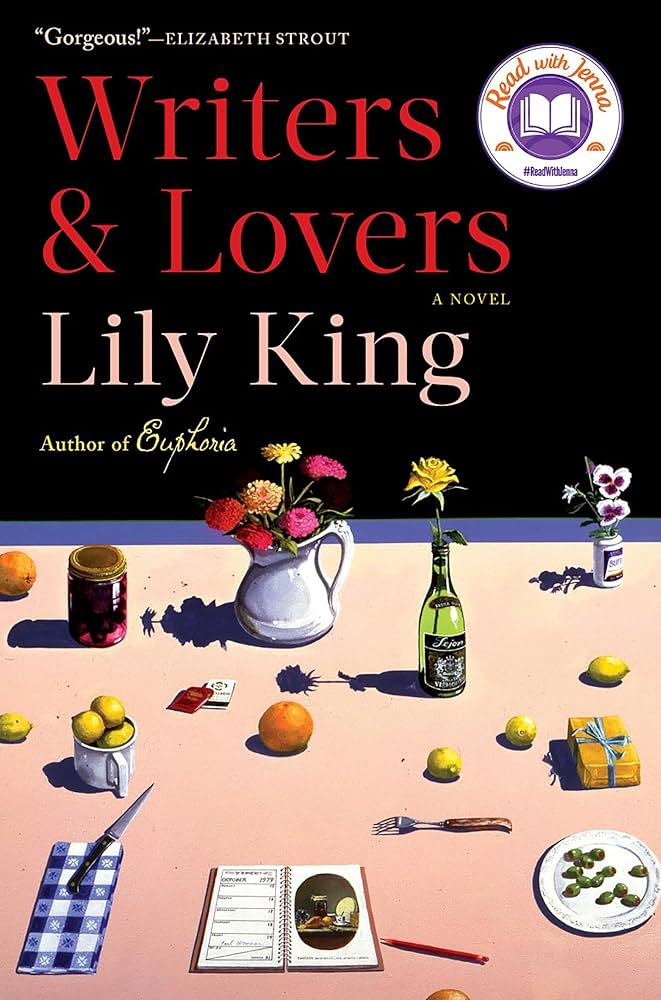
“I’m obsessed with Lily King’s writing style. She writes desire and doubt with such elegant restraint that you almost miss how deeply she’s cut you. That emotional precision deeply influenced how I approached Dionne’s awakening.”

“The rawness in The Woman Destroyed is almost confrontational—and that’s what makes it so powerful. I admire the honest interiority of de Beauvoir’s writing so much. It lingers in the uncomfortable space between identity and loss—which resonates deeply with Dionne’s journey. Before revelation, there is a rupture.”
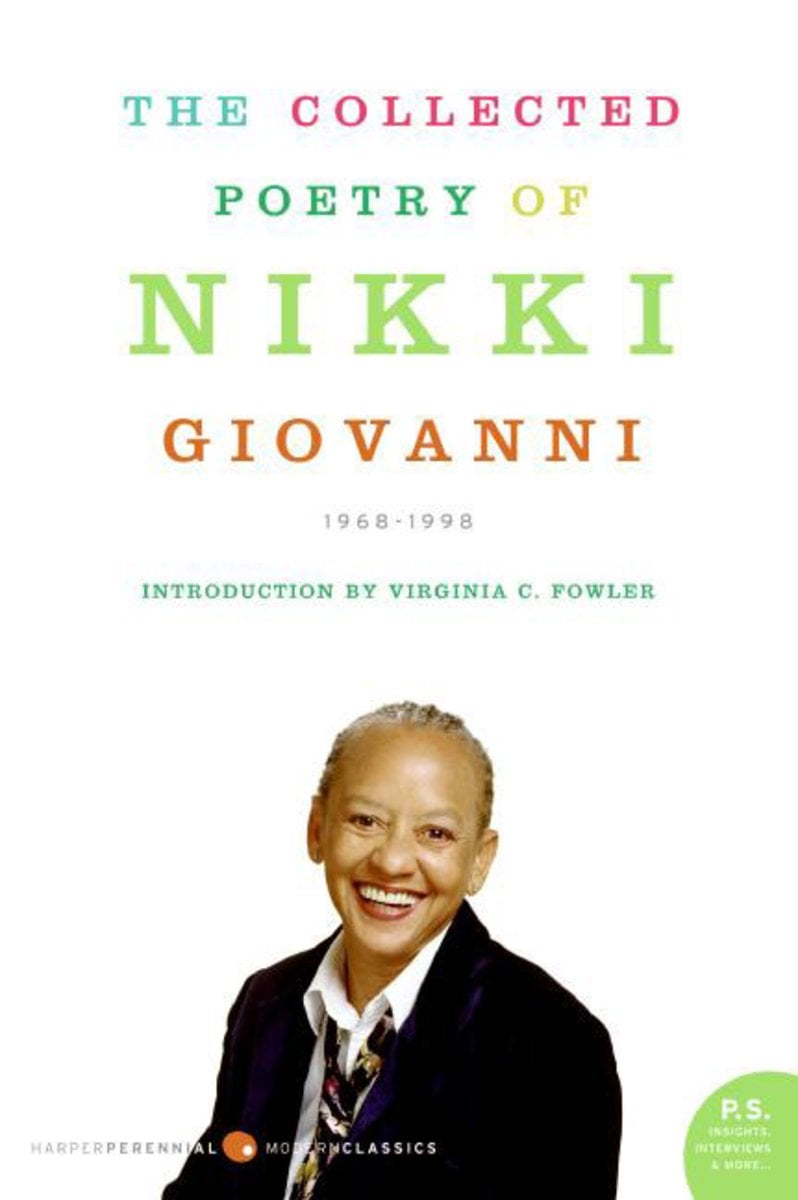
“Every relationship is not meant to last, but some relationships do bear gifts. In my own life, this book is what I got to keep, and in serving me, it has served the deeper interiority of Dionne.”
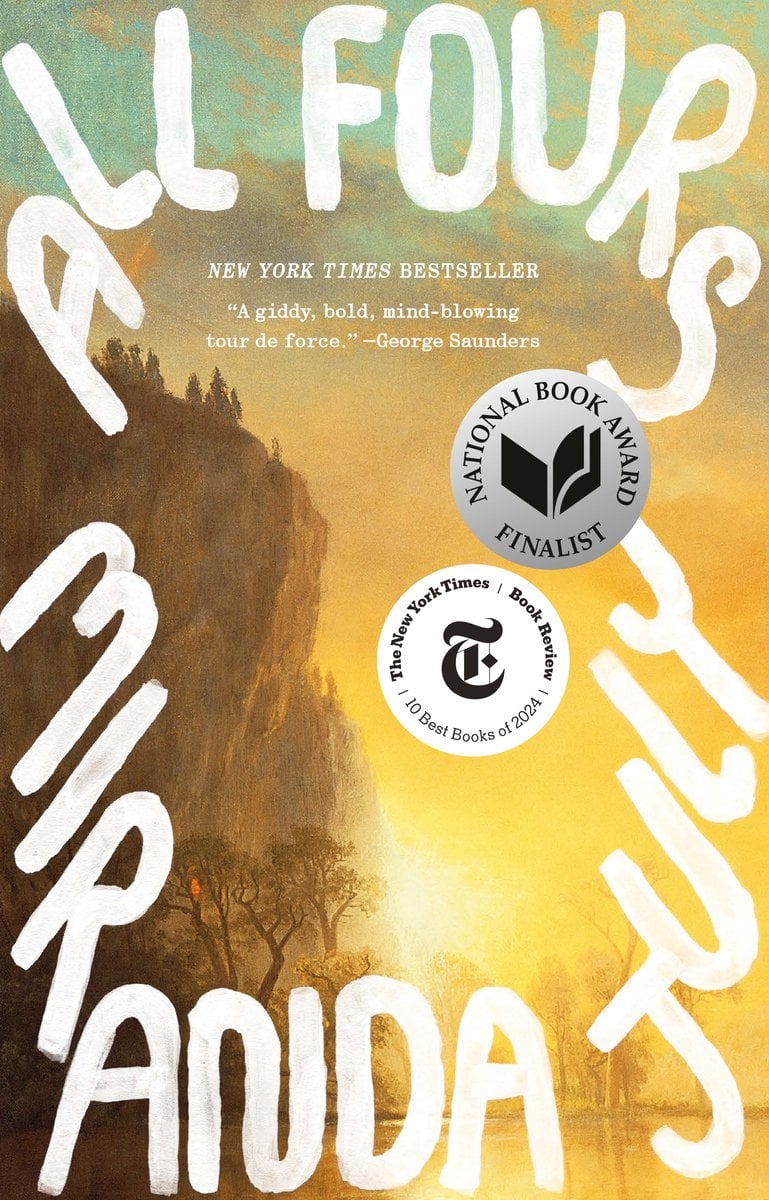
“All Fours feels like a woman pulling apart the architecture of her own life just to see what else might be possible. What I admire most, and what I tried to channel in my own writing, is its refusal to apologize for a woman’s hunger.”
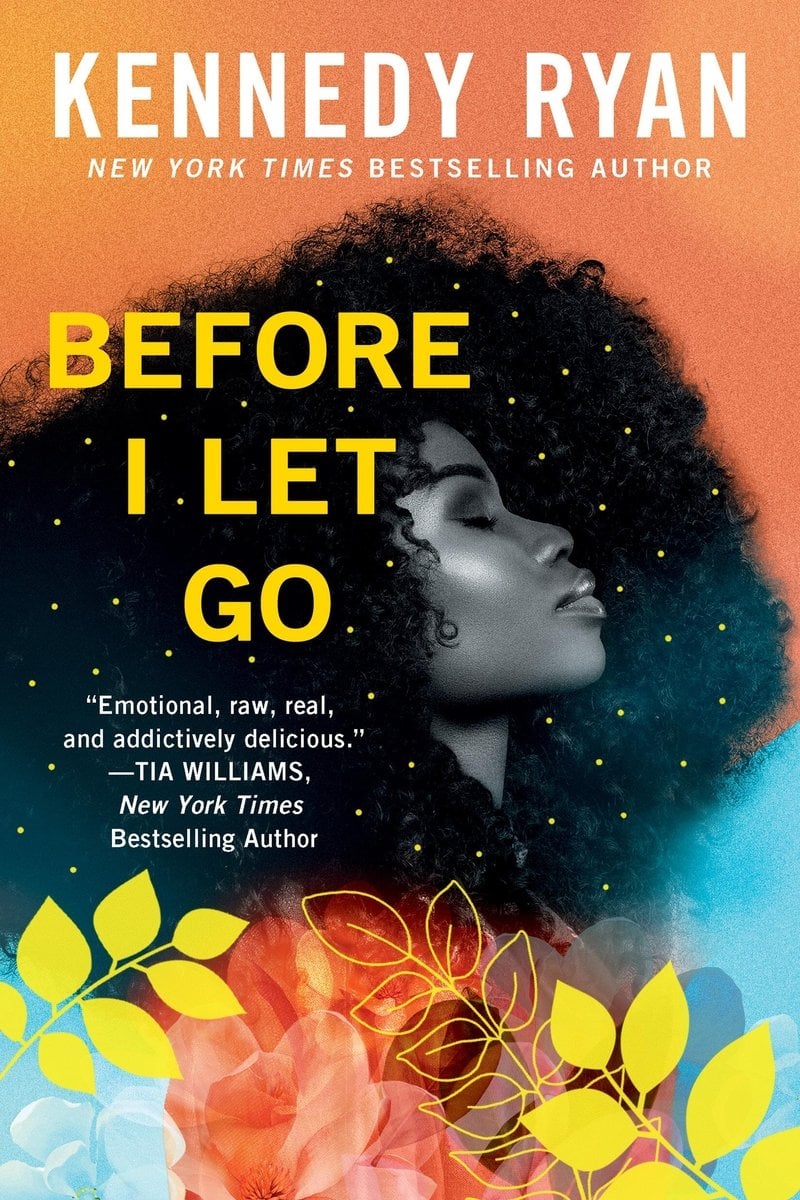
“I know a lot of times, when we say Kennedy Ryan, we talk about how she explores the freedom of sexuality for Black women, but what resonates more for me is how friendships serve as a cornerstone of these novels, much like how I explore Dionne and Farrah’s friendship in mine.”
Want to read more?
Check out the full article on the original site