63 Million Barrels Of Iranian Oil Stranded On Tankers After US Revokes Sanctions Waiver
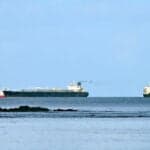


Around 63 million barrels of Iranian crude oil loaded on tankers have been left without confirmed buyers after the United States revoked a temporary sanctions waiver that had allowed Tehran to sell its oil.
The waiver, introduced in late June as part of an interim agreement between Washington and Tehran, allowed Iran to sell crude for 60 days without facing US sanctions.
It was due to remain in place until August 21, but the US withdrew it after a series of attacks on commercial tankers in and around the Strait of Hormuz.
According to Bloomberg, citing shipping analytics firm Vortexa, about 63 million barrels of Iranian crude are currently on tankers either sailing or waiting across the Persian Gulf and Asian waters.
Many of the vessels are not showing a final destination or are indicating they are available for new orders, suggesting the cargoes have not found buyers.
A US official told CNBC that the waiver was withdrawn because of Iran’s actions against commercial shipping.
“Iran will only reap benefits if they exhibit good behavior,” the official said. “Iran’s actions in the Strait were wholly unacceptable to the United States and will be met with consequences.”
The waiver was part of an interim deal aimed at reopening the Strait of Hormuz after weeks of disruption. During that period, the US had also lifted its blockade of Iranian ports, leading to an increase in Iranian crude loadings.
With the waiver now revoked, much of that oil has become harder to sell. The move also removes one of the incentives offered to Iran under the interim agreement, which called for keeping the Strait of Hormuz open to commercial shipping.
The decision comes as security concerns remain high in the waterway.
According to the Joint Maritime Information Center (JMIC), an LNG carrier, an oil supertanker and another tanker were attacked in or near the Strait of Hormuz earlier this week.
The organisation later raised the threat level for commercial shipping to “severe”, warning that further hostile action by Iran is likely.
Under the interim agreement, Iran had pledged to allow ships safe passage through the strait. However, Tehran later said vessels should use a northern route under its control and attacked ships using a US Navy-protected route along Oman’s coast, according to CNBC.
Bloomberg also reported that a small number of commercial vessels passed through the Strait of Hormuz early Wednesday despite the recent attacks, while shipowners continued assessing the risks of operating in the area.
Even before the waiver was revoked, Iran was finding it difficult to sell its crude.
Bloomberg reported that increased supplies from other Persian Gulf producers had reduced the price advantage of Iranian oil, while buyers remained cautious because of sanctions-related risks.
According to traders familiar with the matter, National Iranian Oil Co. and other sellers had recently offered Iranian crude to refiners in Japan, Taiwan and South Korea.
Indian state refiners were also preparing to buy Iranian crude if the US extended the waiver beyond August 21 or eased sanctions further.
However, they had already booked enough cargoes through August after securing supplies during the recent West Asia conflict, leaving little room for immediate purchases.
Refiners could still consider Iranian crude if the discounts become more attractive, Bloomberg reported.
Competition from other suppliers has also increased.
Saudi Arabia this week announced its biggest monthly cut in official selling prices since at least 2000 as producers compete for buyers in Asia.
Russian crude also remains cheaper than Iranian supplies. According to people familiar with the matter, Iranian crude is being offered at discounts of $4 to $5 per barrel below Brent, while Russia’s Urals crude is available at about $6 below Brent, making Russian oil more attractive to Indian refiners.
India imported a record 2.7 million barrels per day of Russian crude in June and is expected to import about 2.6 million barrels per day this month, according to marine intelligence firm Kpler.
The nonprofit group United Against Nuclear Iran (UANI) said it has tracked at least 19 Iranian oil and petrochemical cargoes loaded since the interim agreement was signed. It has also identified 46 tankers carrying Iranian oil or fuel along Iran’s coastline.
References: Telegraph India, Bloomberg
Want to read more?
Check out the full article on the original site