I Cut Off My Hair at 16—Here’s Why I'll Never Grow It Back
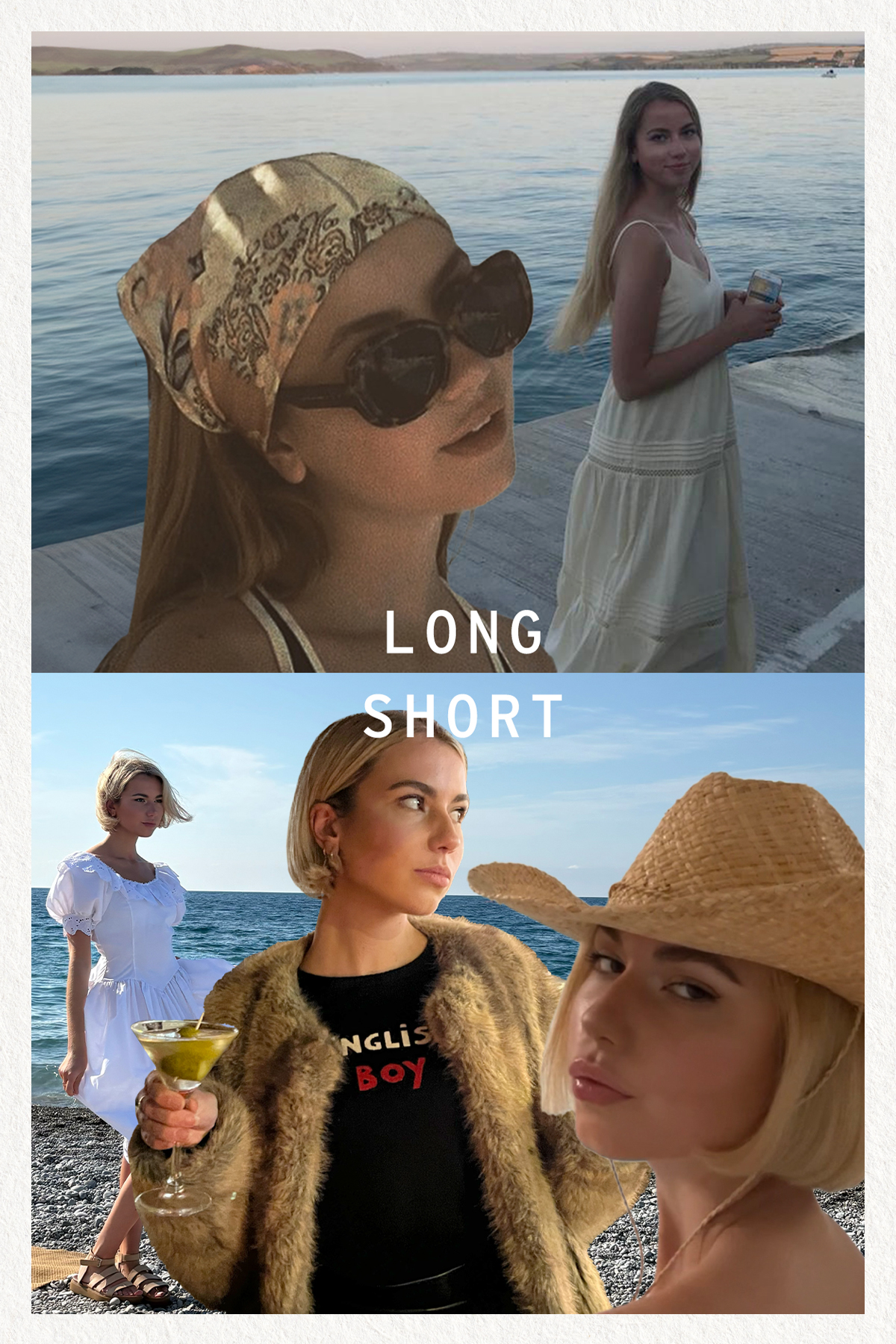
Miles Davis once said, "Man, sometimes it takes you a long time to sound like yourself." I think the same is true of appearance; sometimes it takes a long time to look like yourself, too. For me, it started with a dramatic haircut at the age of 16. Previously, my dark blonde, wavy hair fell long past my waist. At that time, I was deep into a fierce obsession with the 1970s, and I genuinely believed my long, beachy hair was paying homage to Iggy Pop, or perhaps, on a good day, Stevie Nicks. My wardrobe reflected this fantasy too; I had become especially enthralled by a pair of gold leather Fiorucci trousers. Suffice to say, if the outfit didn't look like an ageing rockstar, I didn't want it.
But by the time I turned 16, my relationship with my hair began to change. I was studying, and my world was expanding. I was submerged in philosophy, English literature and film. I was discovering the things that would shape the intricacies of who I am: books, clothes, ideas and the people I admired. I was becoming the sort of person I am today: someone who would rather elicit a laugh than a compliment on my appearance.
The women I admired seemed to possess a different kind of beauty. I adored the crispness of a perfectly cut suit; seeing women wear Bella Freud tailoring made my heart sing. There was something about what it projected, perhaps the professionalism and seniority it represents. The appeal wasn't separate from their minds, nor was their identity centred on appearance alone. Increasingly, I felt my long hair didn't represent any of that. By that point, I wasn't so much concerned with following conventional ideas of what was "pretty", or, as my dad liked to remind me, "fanciable". He was convinced boys preferred girls with long hair. I only cared about being chic.
The turning point was when my love affair with French culture started to bubble. I was obsessed with French films, music, men—and dare I say, cheese. Then I watched Amélie (2001). The moment I saw Audrey Tautou, that was it; I was sold on the idea of cutting my hair into a bob. If I could get close to Amélie, or at the very least, Margo in The Royal Tenenbaums (2001), I would be happy. Like most decisions I make, I was decisive. I booked an appointment and cut all my hair off. As the lengths fell around me in the hairdresser's chair, everything felt strangely right. I remember vividly how different it felt to lie in bed that night without my hair spilling across the pillow, and how strange it was to run my hands through it in the shower the next morning. But from that day forward, I knew I would never grow it long again—I was me.
Now that I’m older, it's striking to think just how monumental that haircut was. What I realise now is that I wasn't rejecting femininity; I was trying to invent a different version of it to become the woman I wanted to be. The bob felt deliberate. Long hair, in contrast, felt conventional and, to me, carried associations I didn't particularly want, to a version of womanhood that prioritised softness or prettiness. Of course, hair doesn't determine personality, but the bob seemed to suggest the alternative.
Hair historian Rachael Gibson explains, "Through most of history, white women in Western countries have been associated with long hair. It's inextricably linked to long-held ideas of femininity and beauty standards, so anything that challenges it remains connected with ideas of strength, freedom and modernity." Perhaps that's why the haircut felt so significant.
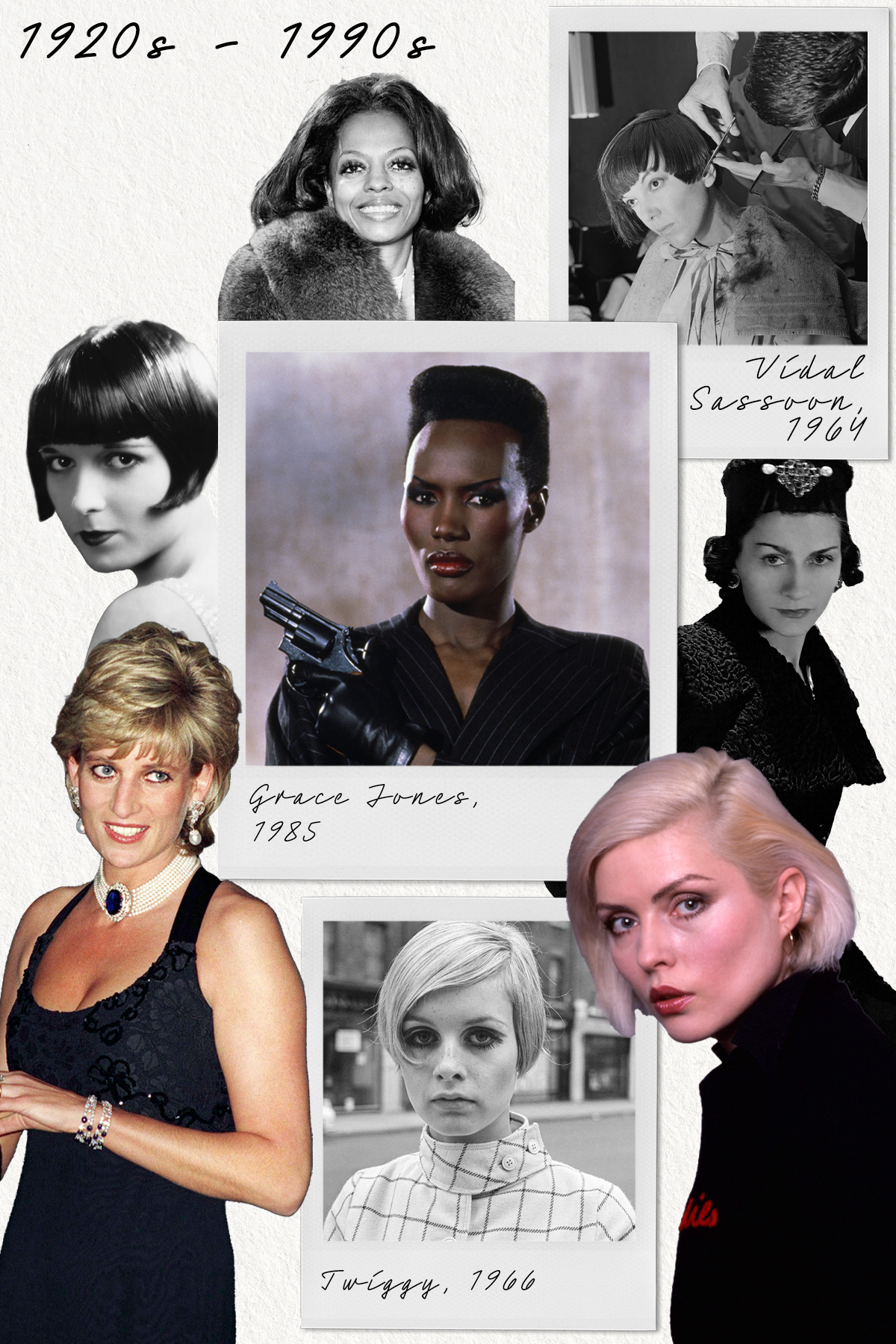
Of course, these meanings aren't universal. Gibson stresses that the symbolism of hair changes dramatically across cultures, religions and histories. In many Black communities, for example, hair carries entirely different political and personal meanings, shaped by histories of colonialism, discrimination and cultural pride. Across South Asia, East Asia and Indigenous cultures, long hair has often symbolised spirituality, ancestry or strength rather than passive femininity. The idea that long hair simply equals traditional womanhood is largely a product of white Western beauty ideals, and I recognise that my relationship with the bob belongs to that particular cultural context, not a universal one. Gibson points out that when women first adopted bobbed hair in the early twentieth century, it represented much more than a trend. "Short hair represented a shift in women's liberation and all the freedoms that came with it," she says.
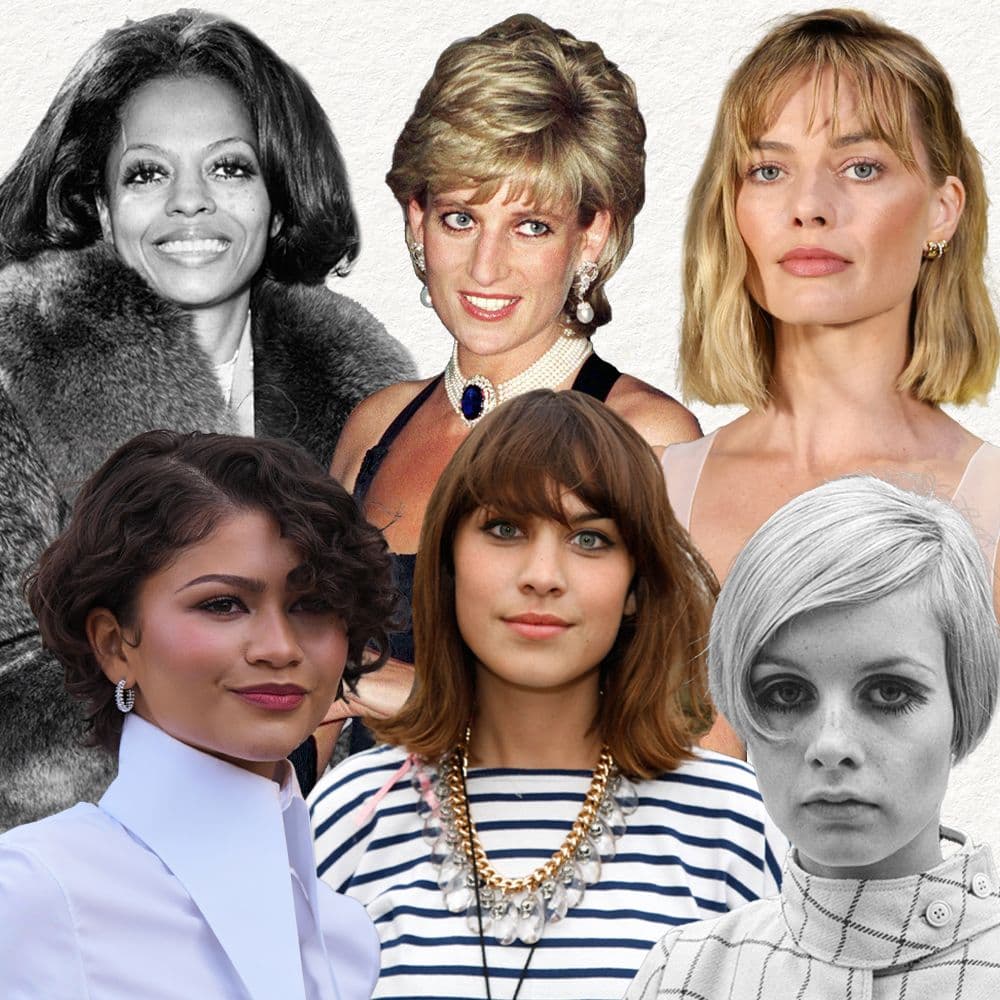
Of course, I wasn't making a political statement at 17 or thinking about first-wave feminism, but that doesn't mean the cultural baggage wasn't there. The bob haircut has always carried a particular set of associations. Looking back at Louise Brooks in the 1920s, Vidal Sassoon's sharp geometric cuts of the 1960s or the power bobs of the 1990s worn by women like Anna Wintour and Linda Evangelista, again and again, the hairstyle appears on women associated with authority, creativity and independence. As Gibson puts it, "We tend to associate shorter hair with a certain type of woman: someone strong, someone cool, someone independent." And certain women have indeed become almost inseparable from their bob, whether that's Wintour or Alexa Chung.
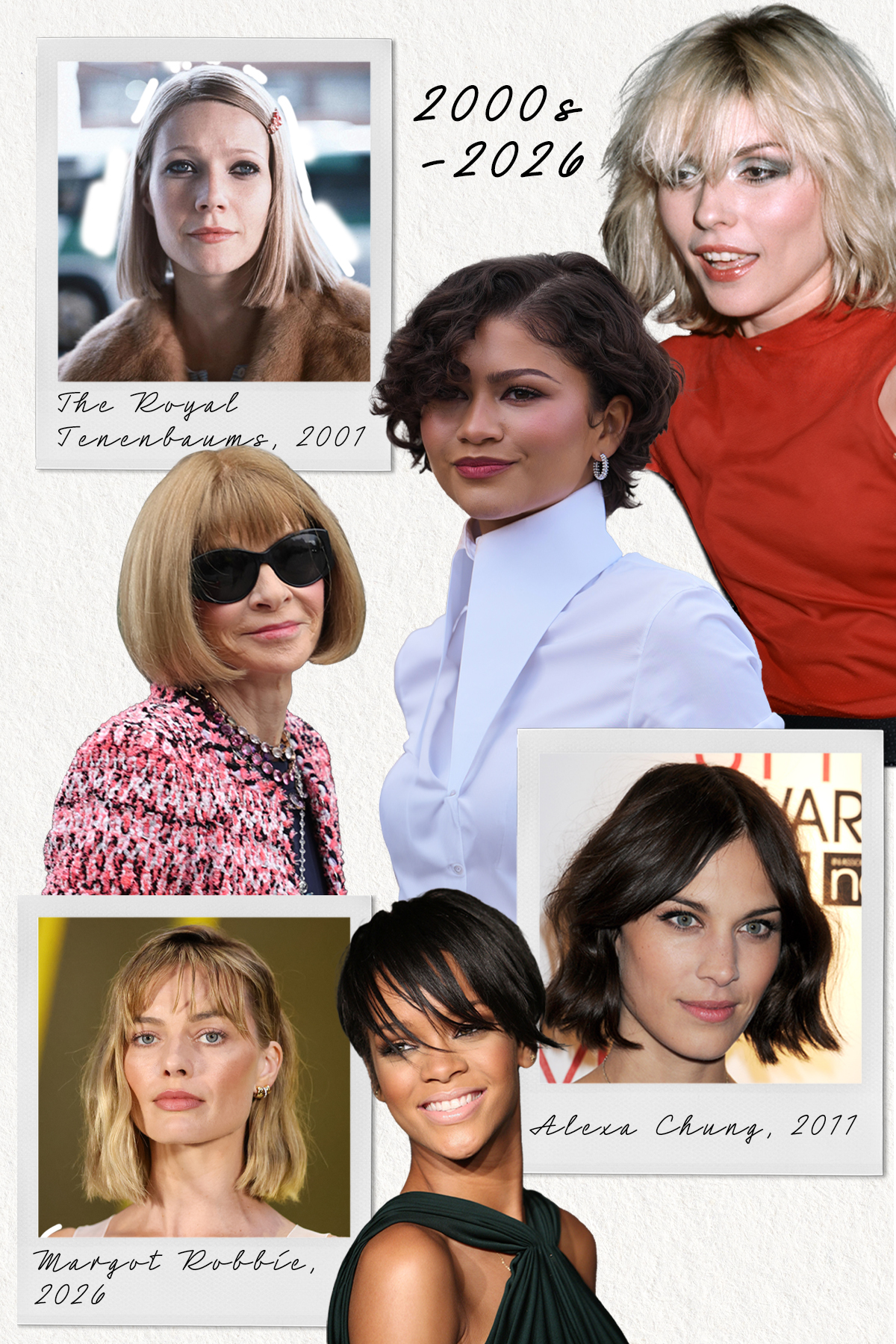
Sam McKnight MBE, hairstylist and founder of haircare brand Hair by Sam McKnight, explains it perfectly. "The silhouette is a powerful thing. You instantly recognise someone by their silhouette. Think of Anna Wintour, Marilyn Monroe, Cleopatra! A bob has all the complexities that women do; the cut can be strong yet feminine, alluring yet commanding, strong [yet] soft and romantic."
He notes, "Alexa [Chungs]’s bob is always at the top of the Pinterest board because she knows when to make small tweaks and it feels instantly new. Whatever version of a bob she has, the essence of her is always there." Perhaps that's why the bob has endured for more than a century. It isn't one hairstyle, but hundreds. A sharp chin-length bob with blunt ends projects authority and precision. A softer French bob suggests creativity and insouciance, whilst a longer, shaggy version feels artistic, slightly rebellious and less interested in perfection. The silhouette remains recognisable, but its style can be ever-evolving. Like tailoring, it's endlessly adaptable; you can make it clean, romantic, or rock and roll.
At 17, I wanted all of those things at once. I wanted to seem intellectual without being boring, attractive without being accommodating, feminine without being conventional, in the same way as Elastica’s Justine Frischmann. The bob felt like it held all those possibilities. For a while, I genuinely believed that if I looked like those women, I might become them, but what happened instead was something better. The haircut became part of my identity as Eve, a kind of shorthand for the person I wanted to be: curious, opinionated, funny, ambitious and hopefully, just a little bit chic. Looking back, I realise I wasn't trying to look like Audrey Tautou or Justine Frischmann forever; I was borrowing confidence until I found my own, and that's what style so often does. We imitate before we individuate. Eventually, the references fall away, and what remains is you.
Years later, I still have my bob, and I've learnt that there is something deeply valuable about allowing yourself to become who you are. I think it is so important for women to believe in themselves, to take risks and see whether that next step leads them a little closer to who they are. Sometimes it won't, sometimes you'll get it wrong, but occasionally you make a decision that feels less like becoming someone new and more like recognising someone who you were all along.
Last week, a sales assistant in Tom Ford looked at me and said, "I'm from Jamaica, from a family of spiritual women; we know things. You have power. I can tell you're going to do big things. I mean, look at you, girl, with your Anna Wintour bob." I laughed, but I knew exactly what she meant. The bob has always carried cultural meaning. For more than a century, it has been associated with women who refuse to do what is expected of them, women who choose themselves. As McKnight says, a bob provides "a true sense of individuality, a rock-and-roll, devil-may-care rebellious streak. And we all love a rebel."
Want to read more?
Check out the full article on the original site