A Dermatologist Just Told Me the 6 Most Common Signs of Sun Damage—Plus, How to Treat Them

Like any beauty editor, I'll never stop banging on about the importance of wearing SPF, and for good reason. It's the one skincare rule dermatologists agree is non-negotiable because the damage caused by UV rays is often invisible until months (or even years) later.
Whilst you might associate sun damage with holidays abroad, even years of basking in the British sunshine can leave their mark. From stubborn hyperpigmentation and fine lines to a loss of firmness, the effects of UV exposure have a habit of catching up with you.
The good news? There’s plenty you can do to prevent further damage and improve what’s already there. We asked a consultant dermatologist and founder of Self London, Dr Anjali Mahto, to reveal the six most common signs of sun damage, what they really mean for your skin and the best ways to treat them.

1. Hyperpigmentation & Sunspots
If you've noticed little dark patches or sun spots appear on your face, hands and chest, Dr Mahto says this is the result of excess melanin production and appears in these areas as that's where cumulative exposure is highest.
She adds, "Prevention through daily broad-spectrum sunscreen is essential, but for existing spots, ingredients like vitamin C, niacinamide and azelaic acid can fade them gradually." However, she caveats: "Stubborn, deeper pigmentation usually requires professional treatment like BBL, which targets melanin directly at the depth where it actually lives."
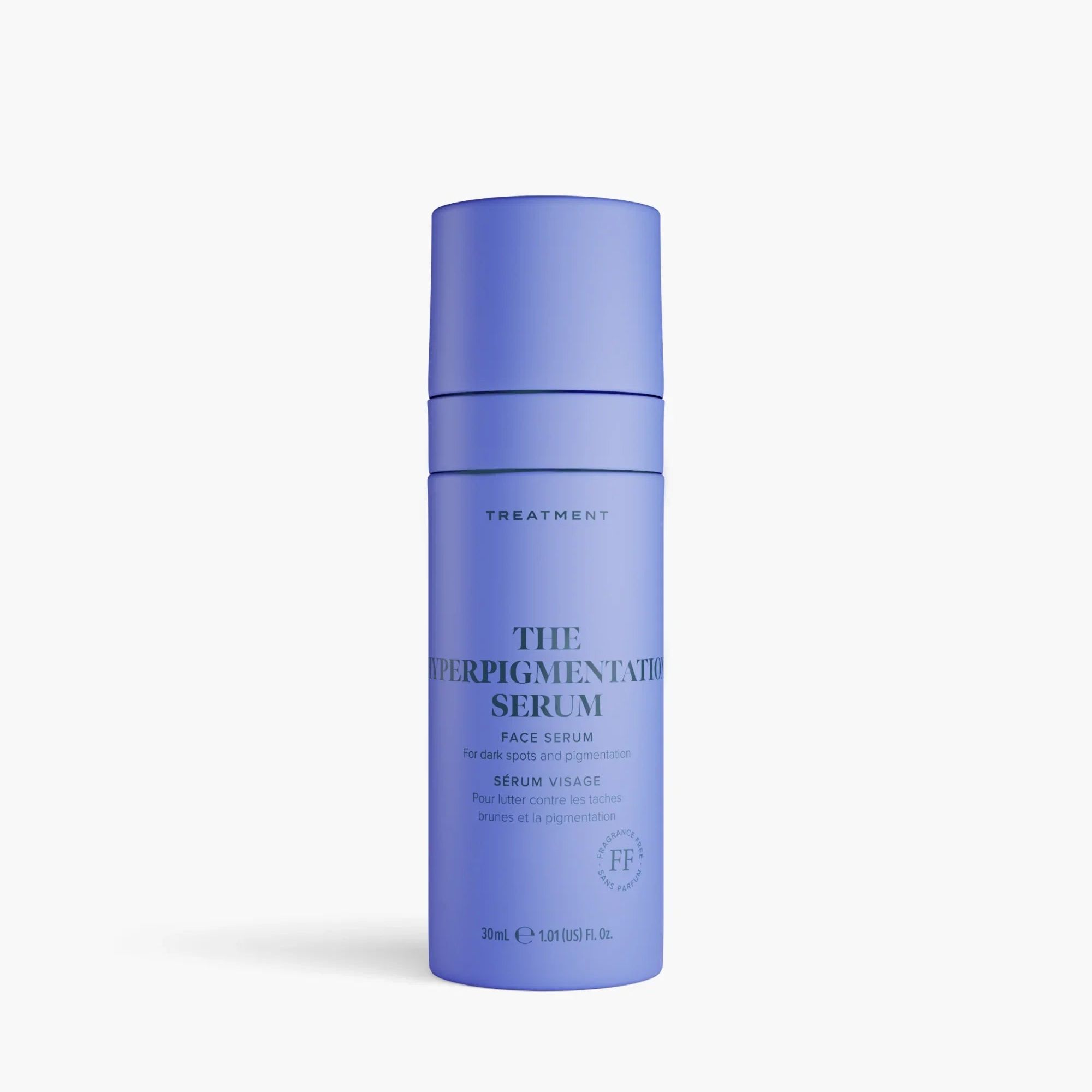
As well as niacinamide, this serum contains a stable form of vitamin C alongside hexylresorcinol, ethyl linoleate and brightening peptides to target hyperpigmentation from multiple angles. It's one of the most comprehensive formulas I've come across, and I know plenty of people who have had visible improvements in dark marks after 12 weeks of daily use.
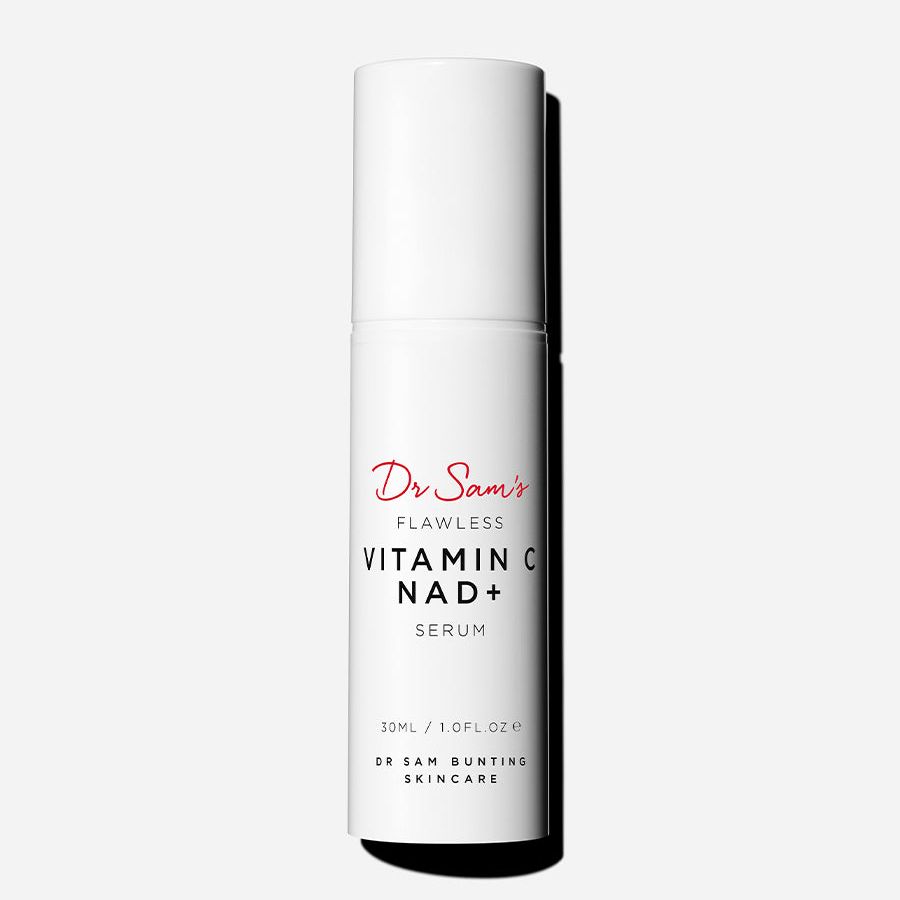
If your skin is on the sensitive side, then I suggest checking out this vitamin C formula as it's been formulated with irritated skin in mind. In addition to 15% vitamin C, there is also 5% sunflower shoot extract, which increases NAD+ to supercharge skin cells so that they behave in a younger way, as well as 2% ectoin to fortify your skin barrier and protect it from pollution.
2. Dull, Rough Skin
Skin that's lost its glow faster than the sunshine disappears after a British heatwave? "UV damage breaks down collagen and elastin, causing the skin to lose its smooth, reflective quality and feel sandpapery," reveals Dr Mahto.
She recommends consistently using a retinoid and exfoliating acids (AHAs/BHAs) as they can improve surface texture over weeks. "For more significant textural damage, laser resurfacing delivers faster, more meaningful results by stimulating collagen remodelling."
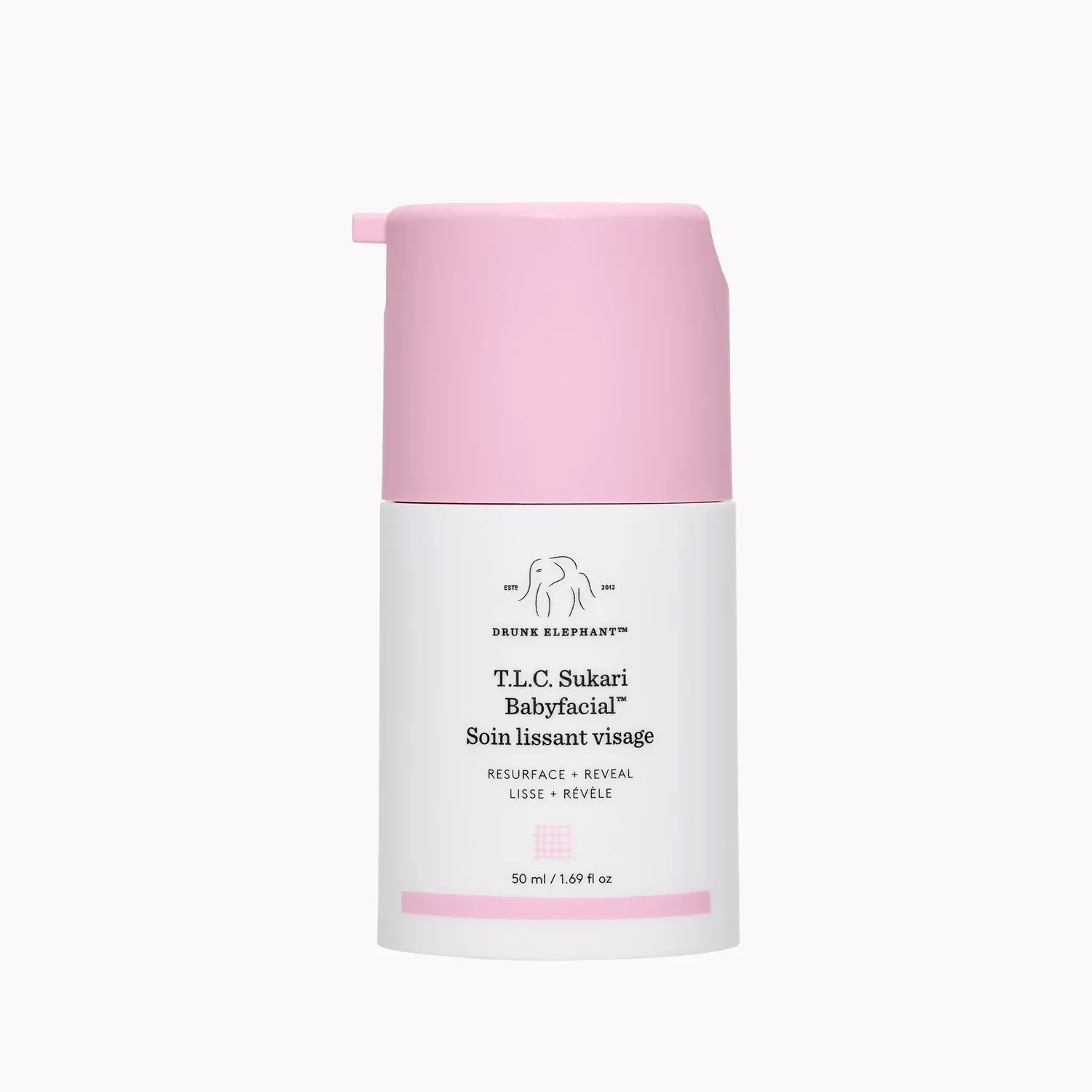
This face mask has been in my skincare arsenal ever since it launched five years ago, and I swear by it. Simply leave it on for 15 minutes to let the potent blend of AHAs and BHAs melt away dead skin cells, then follow with a few drops of Drunk Elephant Marula Oil. Trust me when I say you'll wake up the next morning looking as though you've had the world's best facial.
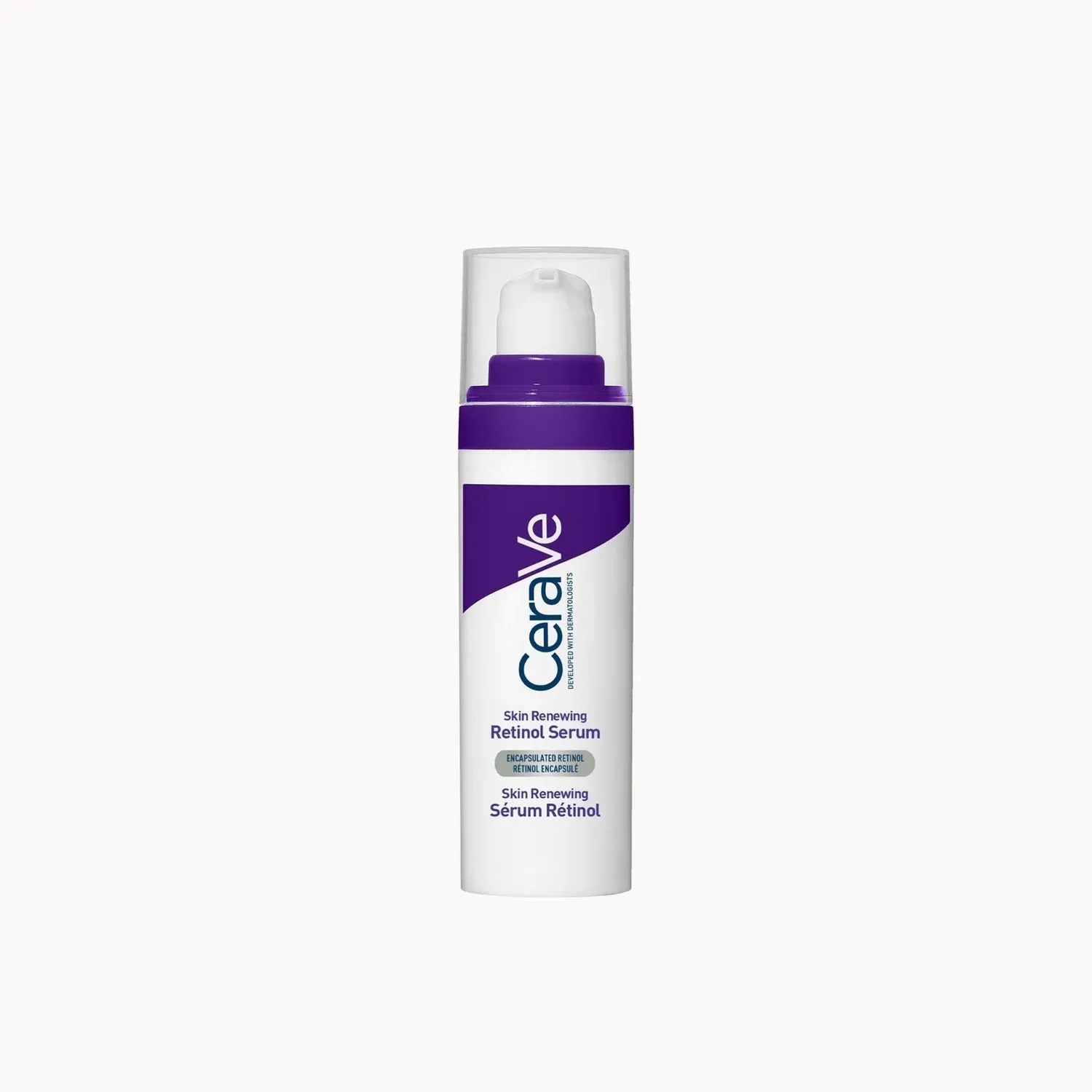
This budget-friendly formula from CeraVe gets to work at smoothing out creases and dialling up your glow.
3. Fine Lines & Wrinkles
Fine lines are often one of the first signs that years of UV exposure are catching up with your skin. "Whilst they're a natural part of ageing, spending time in the sun without adequate protection can speed up the process, meaning wrinkles appear earlier and become more pronounced," explains Dr Mahto. "Collagen degradation creates visible creasing, particularly around the eyes and mouth where the skin is thinnest," she adds.
Yep, here comes the R word again. "Topical retinoids help prevent further damage and can produce modest improvement," advises Dr Mahto.
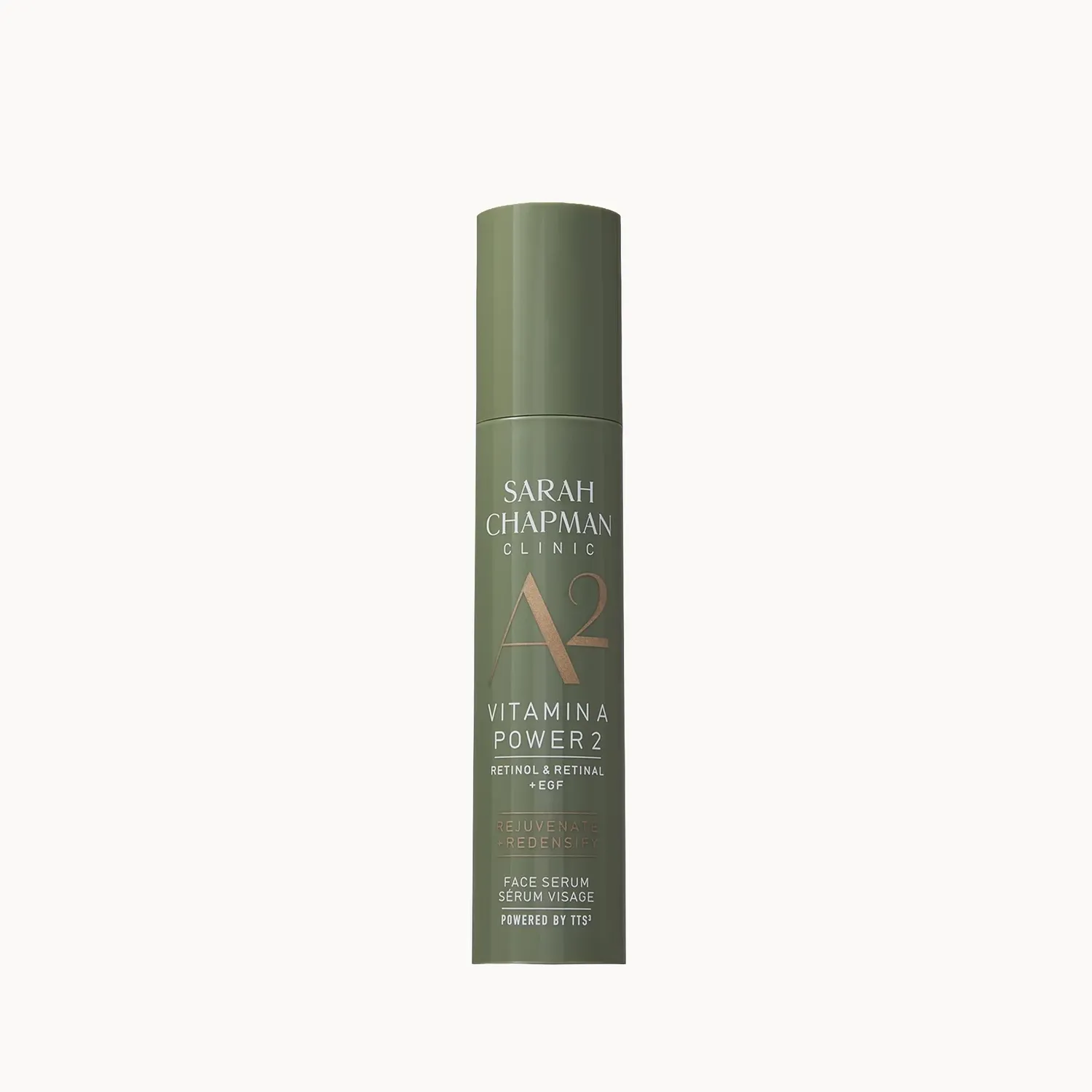
If you're not already familiar with Sarah Chapman, I'd highly recommend booking a treatment at her flagship clinic in Chelsea. Not only will you leave with skin that looks noticeably brighter, smoother and more lifted, but you'll also come away with a personalised plan for tackling your biggest skincare concerns at home. Her retinol has become a go-to for me as it's formulated in a way that ensures the vitamin A is delivered to the deepest parts of your dermis, which is where renewal takes place. It's clever stuff.
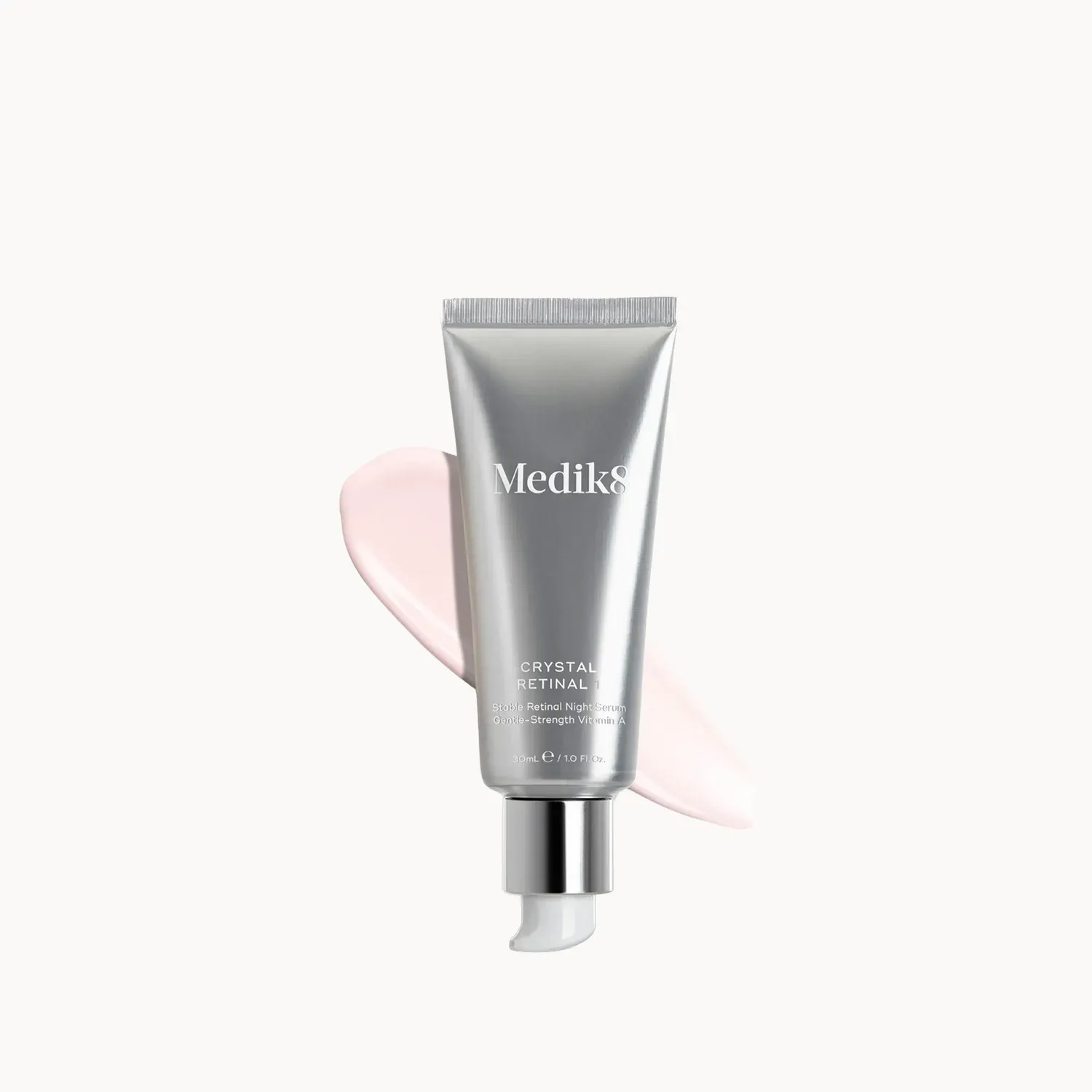
If you're new to retinol, then look no further than Medik8. The brand is famed for making retinol feel far less intimidating, with carefully formulated products designed to help beginners introduce retinoids gradually. Trust me, Medik8 Crystal Retinal is not to be missed.
4. Redness & Broken Capillaries
For anyone who deals with rosacea, this one will come as no surprise. "Sun exposure damages blood vessels, causing persistent flushing and visible broken capillaries," reveals Dr Mahto.
"Whilst facial sunscreen use and anti-inflammatory ingredients like niacinamide can reduce redness, treatments like BBL selectively target these vessels and close them off, providing lasting improvement that skincare cannot achieve," she adds.
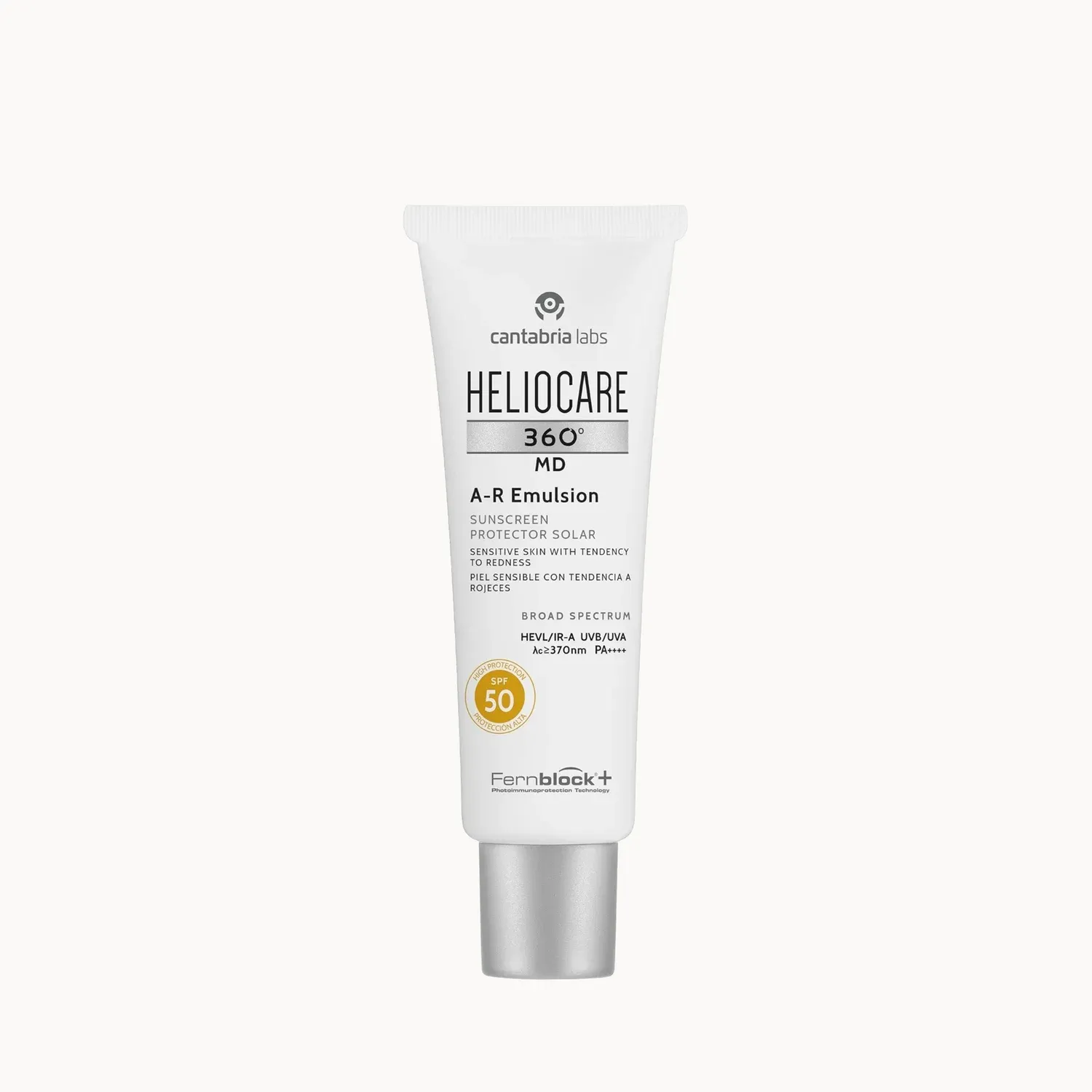
This dermatologist-loved SPF offers stellar protection and has a subtle tint to reduce the appearance of redness. It also sits beautifully under makeup, and added antioxidant glutathione has a powerful soothing effect.
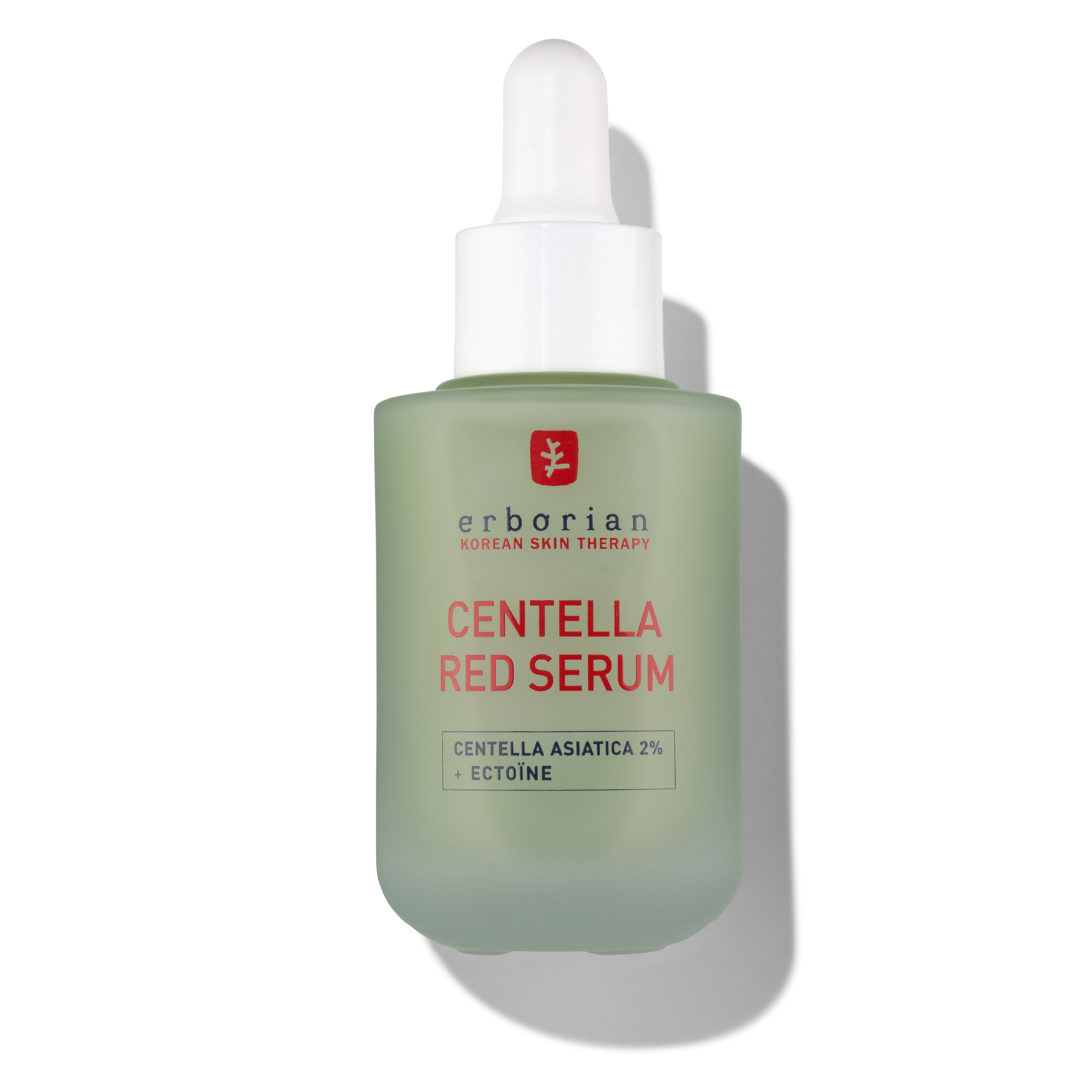
Korean skincare is having a moment, and for good reason, as the formulas are often ahead of the game. If you're struggling with redness, this is formulated with 2% centella asiatica to soothe and calm redness so that your skin feels happy and hydrated.
5. Loss of Firmness & Elasticity
UV-induced elastin degradation means the skin loses its ability to bounce back; what used to snap back now stays creased. Dr Mahto says, "This is difficult to address topically because elastin regeneration in adult skin is minimal. Treatments like HALO that trigger controlled injury and fibroblast stimulation can restore some elasticity by promoting collagen and elastin remodelling."
Topically, peptides are your best bet as they can act as chemical messengers that signal skin cells to build new elastin and collagen fibers. At the same time, other types block the enzymes that break down these essential support proteins.
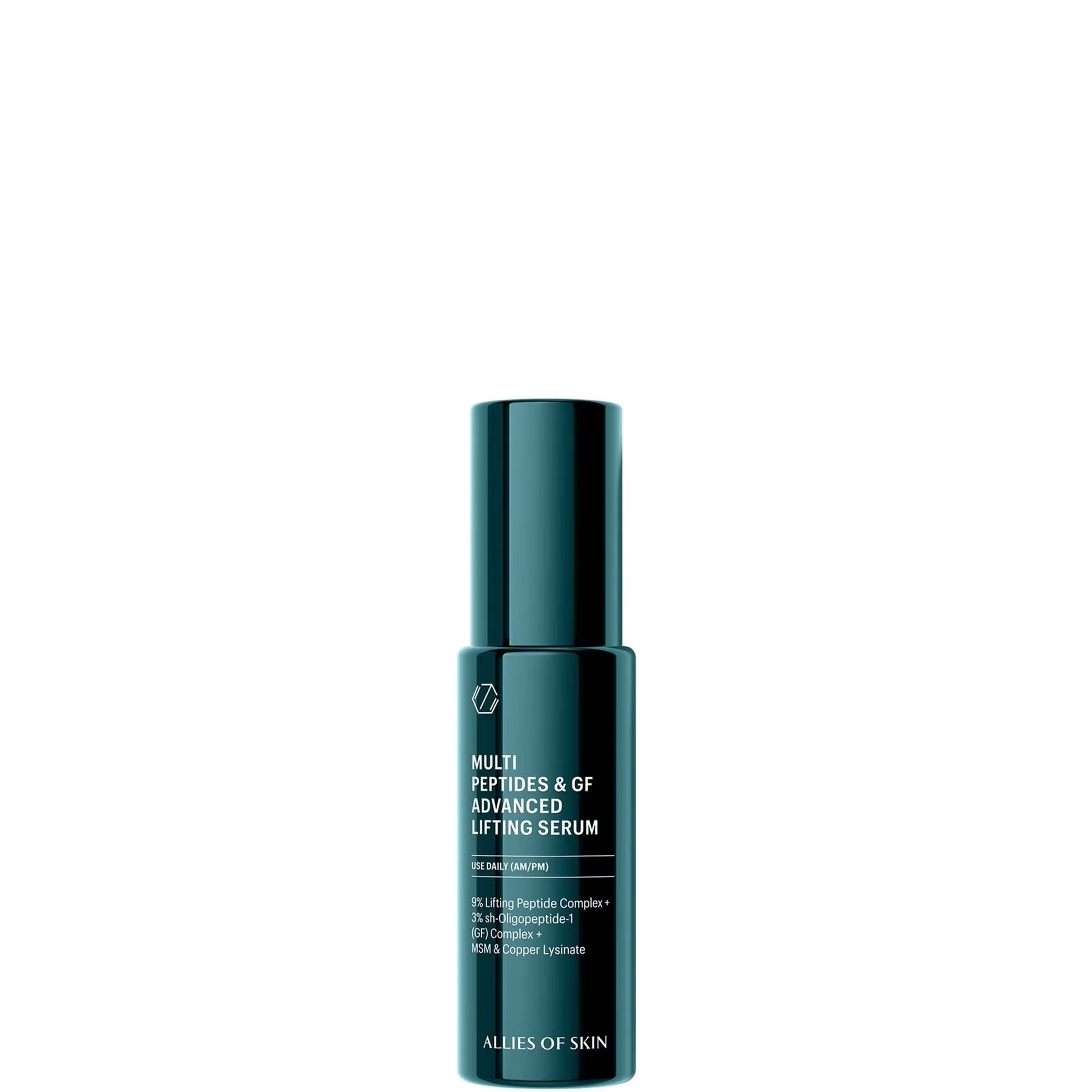
Yes, this is an investment, but this formula is supercharged with a long list of actives that give you results in as little as four weeks. In the driving seat is lysinate, an advanced amino acid–mineral complex that helps support lax skin, alongside a 9% lifting peptide complex to smooth the appearance of fine lines. Finally, a 3% growth factor complex helps nourish and support the skin's natural barrier; in a nutshell, all signs of sun damage are covered.
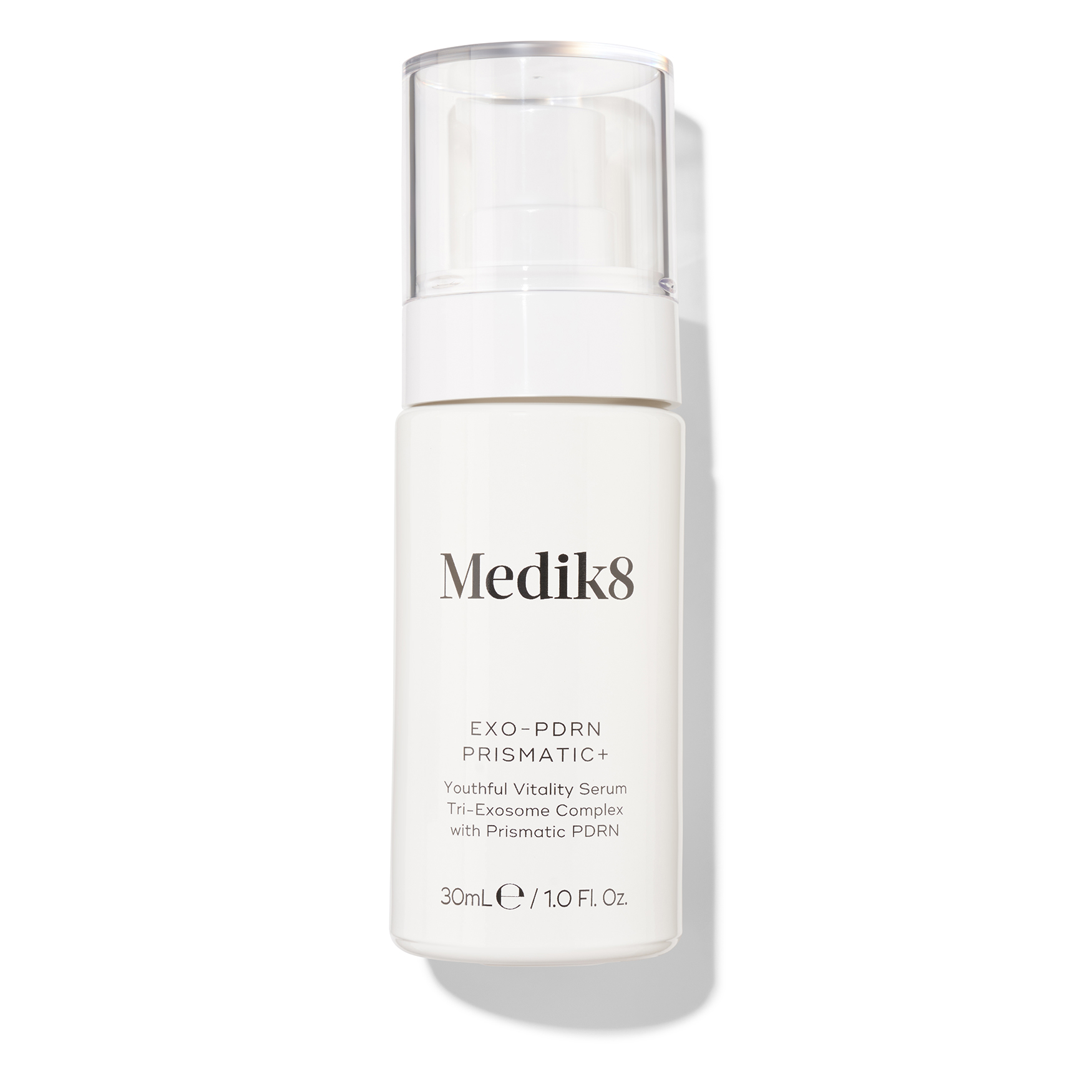
This latest launch from Medik8 has done wonders for my skin. I've been lucky enough to use it for the last six months, and I can't get over the improvement in tone, texture and overall health of my skin. Powered by next-generation exosome technology, the formula helps support the skin's natural renewal processes, delivering a smoother, stronger, and more radiant-looking complexion over time. It's one of the most impressive skincare launches I've tried in a long time and will certainly help to reverse damage.
6. "Thickened" Skin
If your skin is starting to look a little leathery, it might be time to pay attention. "Chronic sun exposure causes the skin to thicken unevenly and lose its natural luminosity, taking on a weathered appearance. This requires a multi-pronged approach: strict sunscreen going forward, retinoids for ongoing cellular turnover and potentially in-clinic treatments to remove damaged layers and stimulate renewal," advises Dr Mahto.
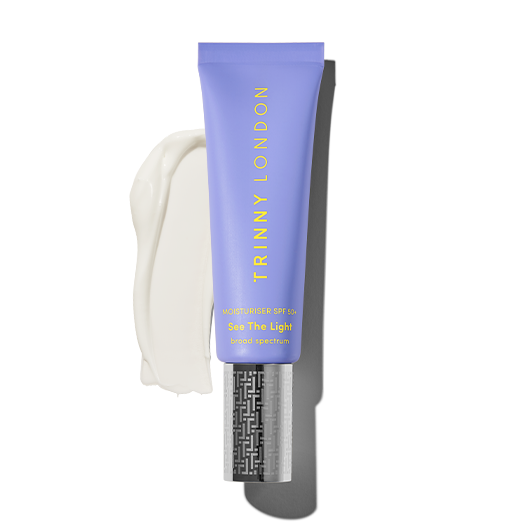
As per Dr Mahto's advice, you'll want some hard-working products, and this fits the bill. Not only is the protection impressive (trust me when I say I've put it through its paces), but it also contains ingredients such as raspberry leaf extract that work to undo existing damage.
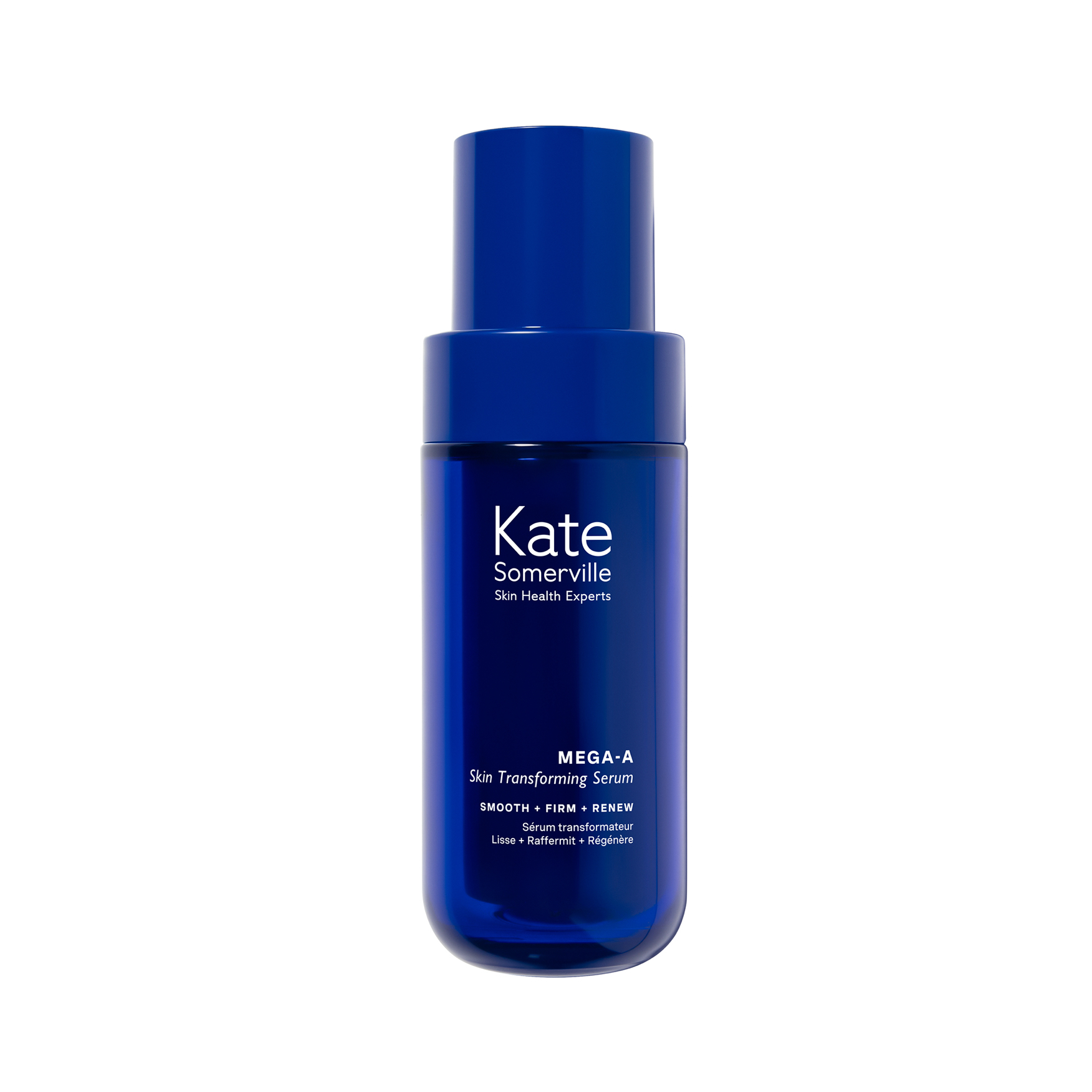
For skin that is crying SOS, try this serum created by facialist to the stars, Kate Somerville. Powered by retinal, an advanced form of vitamin A that's proven to work more effectively than retinol, it smooths rough skin, refines texture and undoes the look of everyday skin damage, all while being gentle enough to use every day. Hyaluronic acid and squalane keep skin feeling hydrated and, better still, it's suitable for every skin type, including sensitive.
Want to read more?
Check out the full article on the original site