•2 min read•from Frontiers in Marine Science | New and Recent Articles
Comparison of gene expression in the skin tissue of gray, humpback, and fin whales
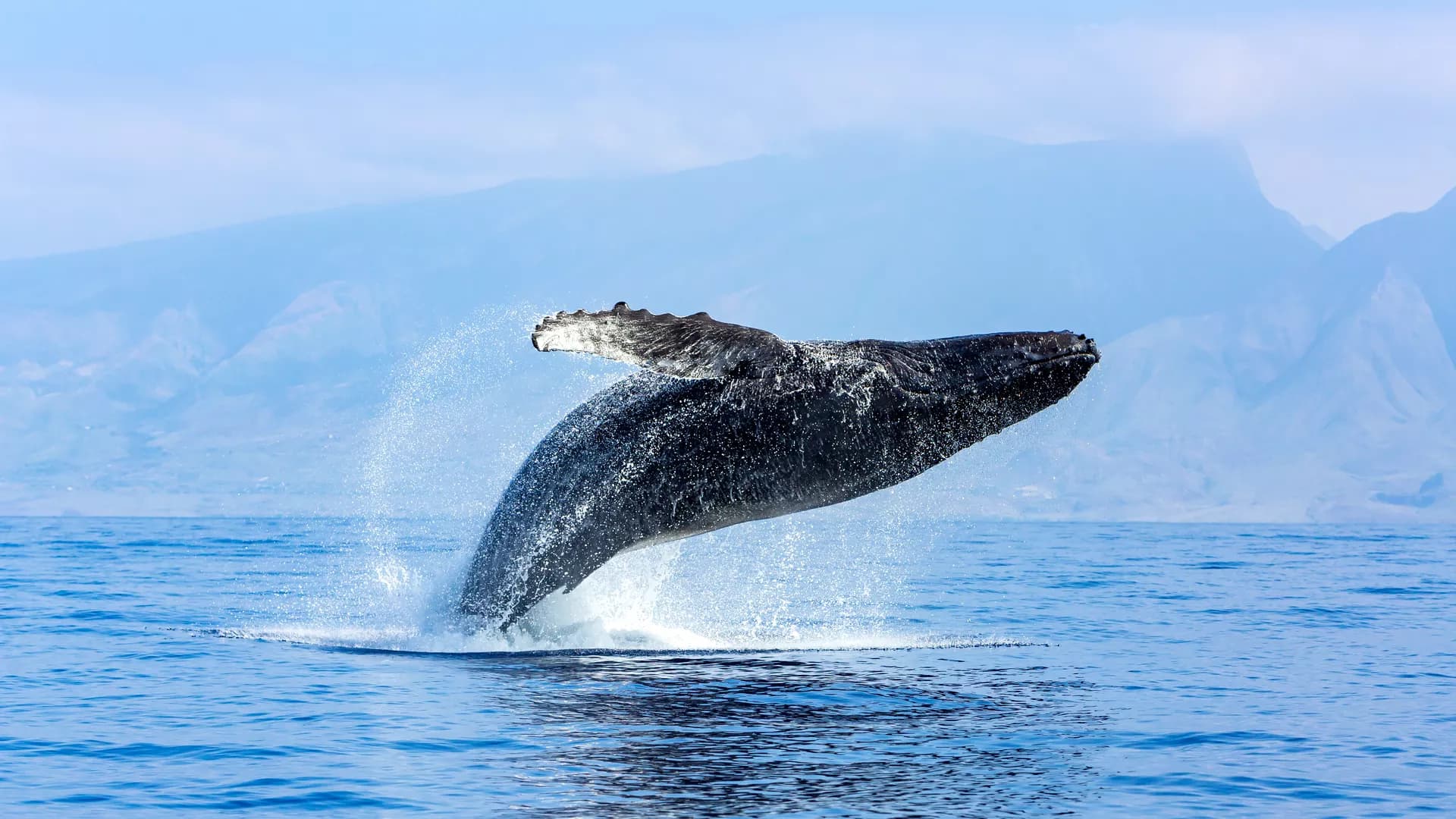
Analyses of gene expression in the skin of several species of whales have identified genes that are differentially expressed in association with environmental factors, suggesting that skin transcriptomics may provide a valuable tool for assessing physiological responses in marine mammals. Previous work exploring differing levels of gene expression has focused on odontocetes, with comparatively limited investigation of skin gene expression in mysticetes. Here, we characterize the genes expressed in the skin tissue of three species of baleen whales to establish a baseline of gene expression and compare gene content and expression patterns across these species. We also evaluate sex-specific differences in skin gene expression through a comparison of expression levels between males and females in gray and humpback whales. A total of 16 skin tissue samples were collected from free-ranging gray, humpback, and fin whales off the central Oregon coast in the eastern North Pacific. Comparison of the expressed genes in the skin tissue of humpback and gray whales to the blue whale reference database identified enriched gene ontology terms in the skin tissue of each species, suggesting genes overrepresented in whale skin related to cell epithelial development, regulation of gene expression, and cell maintenance. Comparison of gene expression between male and female samples revealed sex-specific differences in gray and humpback whales. Differential gene expression analysis identified several X-linked genes as significantly sex-biased in both species, including ZFX, DDX3X, and USP9X, consistent with prior reports in bottlenose dolphins and suggesting conserved sex-linked expression patterns across cetaceans. Establishing baseline skin gene expression profiles for these three baleen whale species sampled off the Oregon coast provides a foundation for linking transcriptome variation with physiological condition and environment.
Want to read more?
Check out the full article on the original site