Loving Netflix's 'Little House on the Prairie?' Here's Your Guide to Revisiting the Original Books
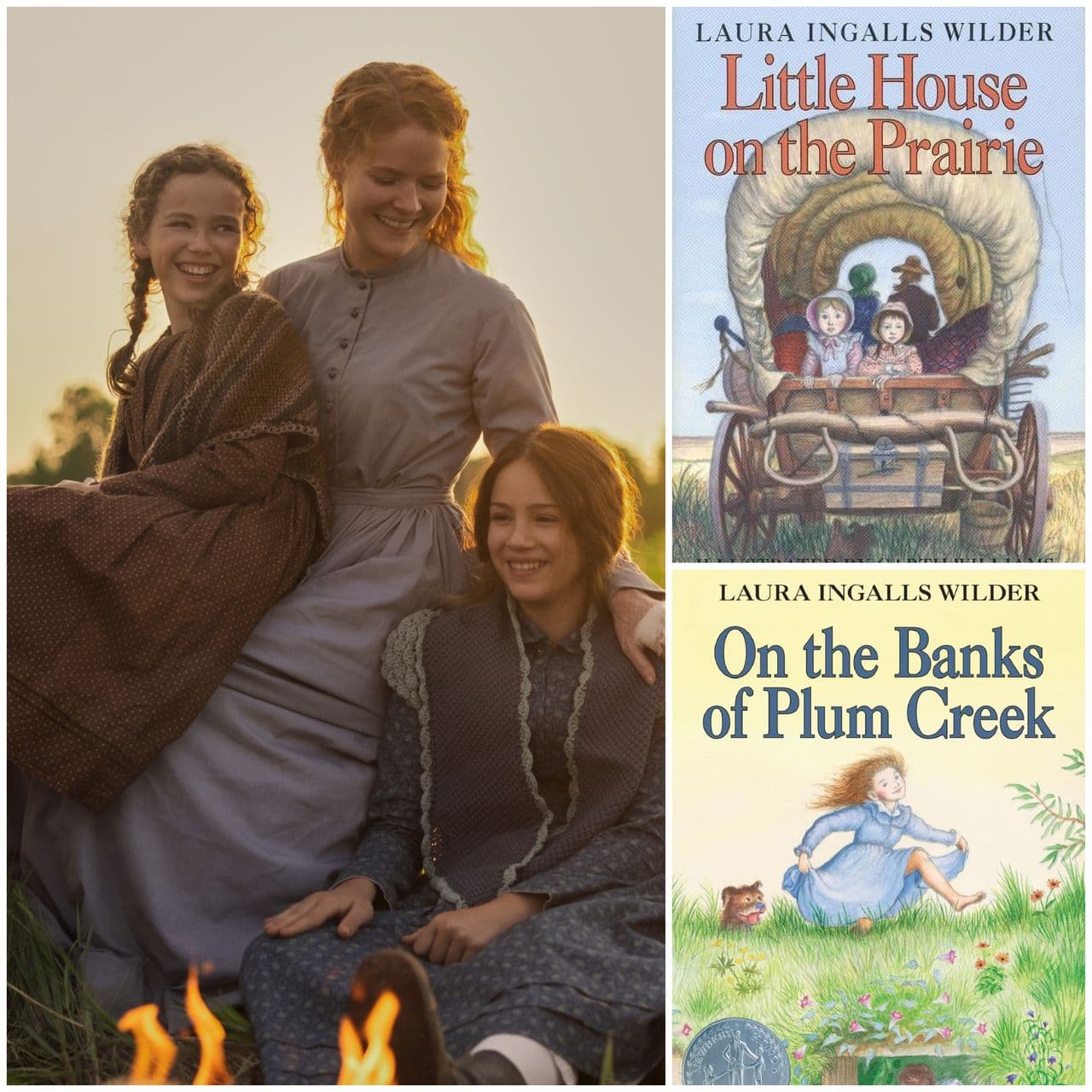
Nearly a century after Laura Ingalls Wilder published the first book in her Little House on the Prairie series, the novels are still massively adored and still reaching new audiences—thanks, most recently, to Netflix’s TV series adaptation, which debuted on July 9. There’s just something so timeless about the books, which were previously made into a still-beloved NBC show in the ’70s and ’80s, an early-aughts ABC miniseries and a 2008 stage musical, among several other adaptations.
For those who haven't perused a Little House novel since third grade but are diving headfirst into the new Netflix show, the series chronicles the semi-fictionalized lives of the Ingalls family in the Midwest U.S. throughout the late 1800s, starring a young Laura alongside her parents and siblings. Wilder published most of the series in the 1930s and ’40s, with a final book arriving posthumously in 1971.
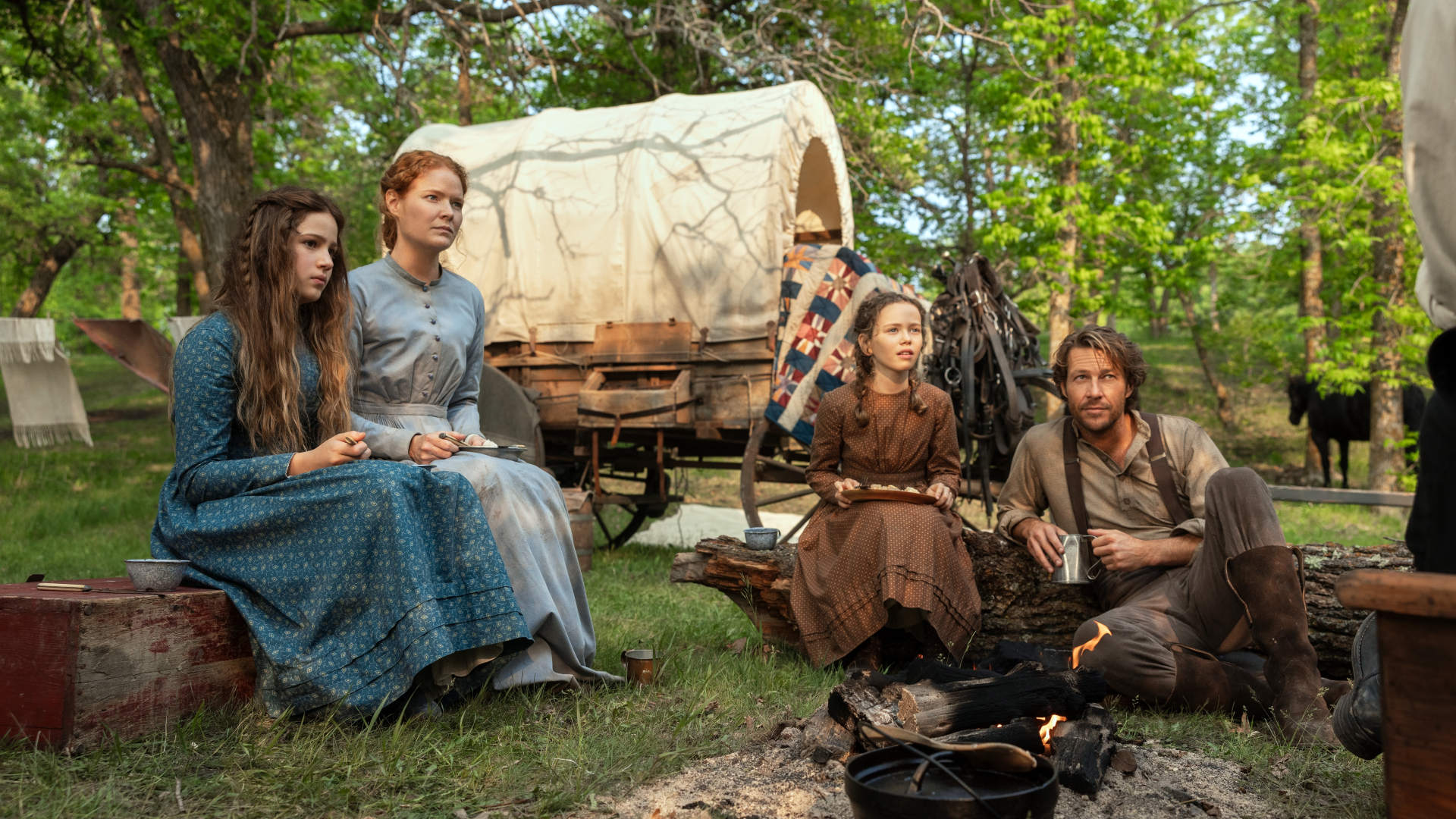
If you’re planning to revisit the novels—or introduce them to a new generation—after bingeing the Netflix adaptation, look no further for a comprehensive guide to the entire Little House series. And a reminder as you dive in through 2026 eyes that while Wilder’s work has long been widely lauded and critically acclaimed, it’s very much a product of its time: You’ll want to be aware that it heavily perpetuates the American frontier myth and therefore includes problematic portrayals of Indigenous people (an aspect of the series that Netflix has sought to correct).
Book 1 — 'Little House in the Big Woods'
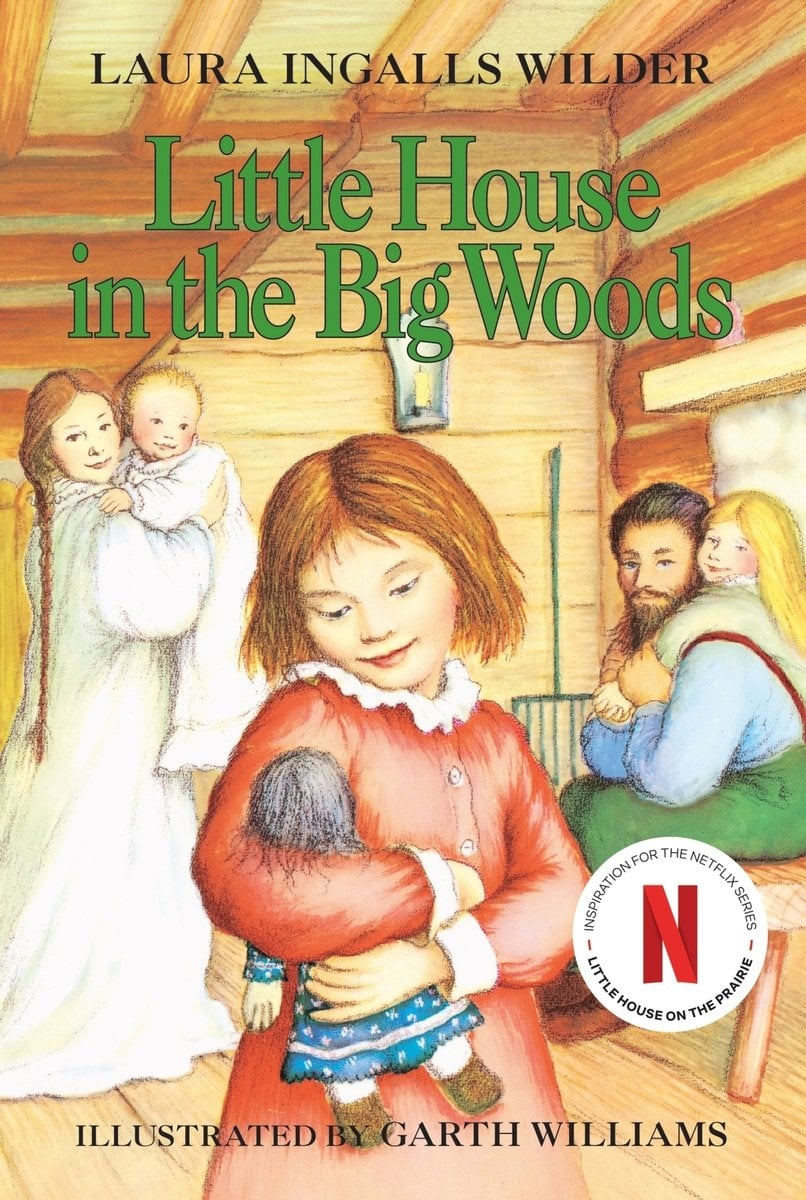
The first book in Ingalls Wilder’s best-selling series starts in 1871, with 4-year-old Laura living in a log cabin in Wisconsin with her parents and two sisters. It introduces readers to life on the homestead through about a year’s worth of chores and celebrations, detailing wintertime maple syrup harvesting, the birth of a calf, and everyday tasks around the house and farm, with many days capped off with Pa playing the fiddle for his daughters.
Book 2 — 'Farmer Boy'
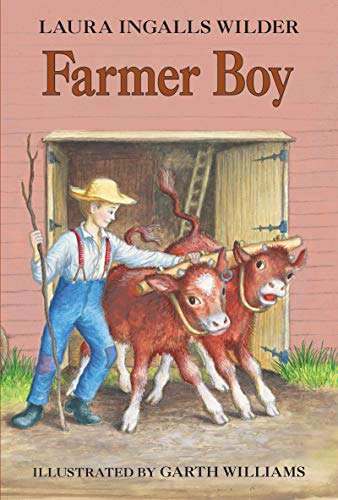
Wilder detoured from her own history in Book 2 to focus on her husband’s upbringing instead. In Farmer Boy, a young Almanzo Wilder grows up in upstate New York in the 1860s, joining his siblings in the seemingly unending work of running a farm—only occasionally interrupted by exciting visits from a tin peddler or a traveling fair.
Book 3 — 'Little House on the Prairie'
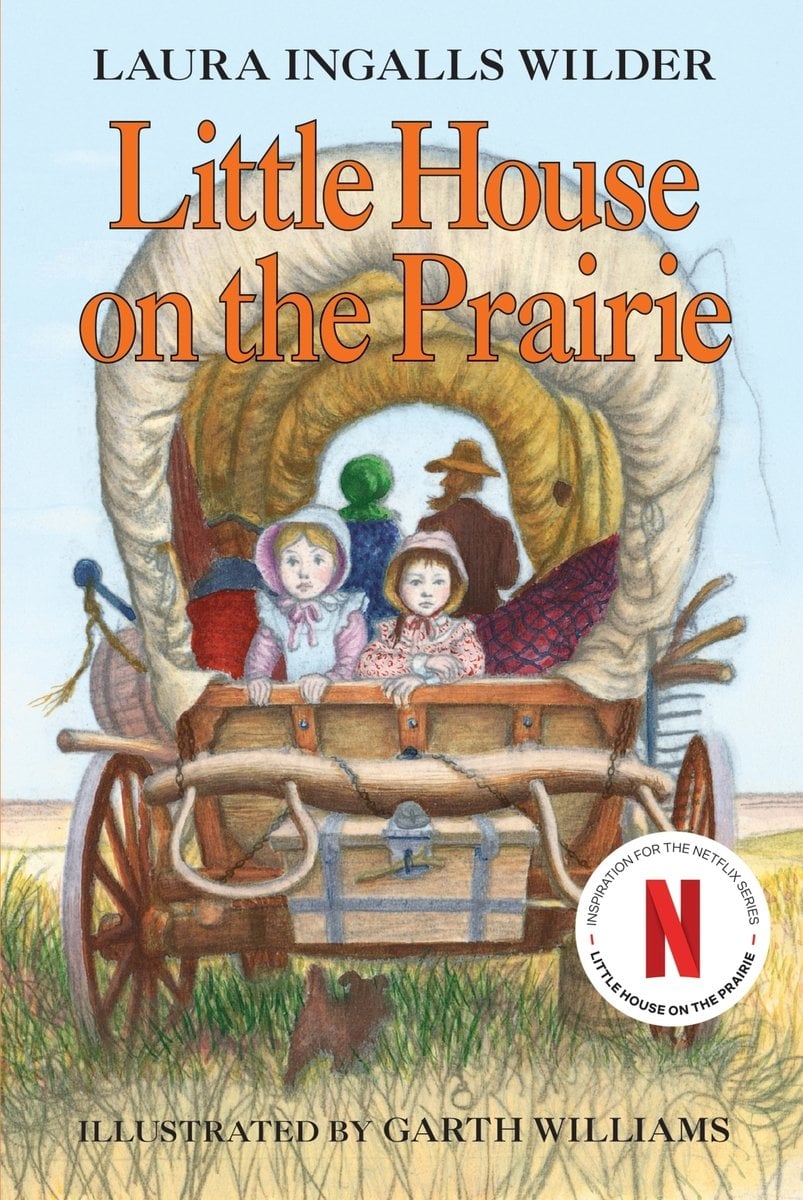
We return to the Ingalls family in the series’ third book, just in time for their big move from Wisconsin to the prairies of Kansas in the mid-1870s. For several months, they get to work building a new house and starting a farm on territory belonging to the Osage Nation, grappling along the way with malaria and ongoing conflicts with Indigenous groups—only to eventually accept that they’ve illegally settled on the land and must move along.
Book 4 — 'On the Banks of Plum Creek'
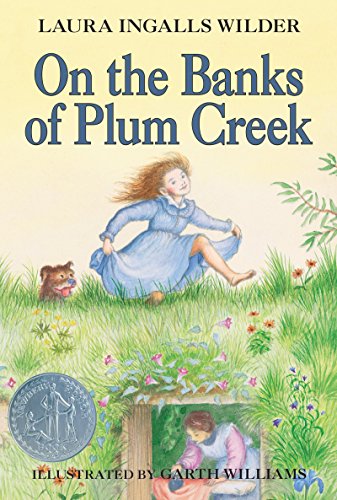
The Ingalls family piles back into their covered wagon and heads north, ultimately stopping to make a new home in Minnesota. There, Laura and her sisters attend a real school for the first time and must remain resilient as they face challenges to their way of life, including fires, blizzards, crop-destroying grasshopper swarms, and, worst of all, a mean girl at school named Nellie.
Book 5 — 'By the Shores of Silver Lake'
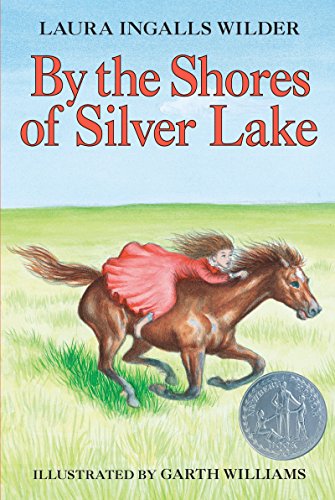
Ready to leave behind the many troubles they encountered in Minnesota—and following a bout of scarlet fever that left Laura’s older sister Mary blind—the growing Ingalls crew heads west, into what was then the unsettled Dakota Territory. There, Pa takes a job on a railroad and claims a permanent homestead in the area. In the meantime, Laura and her sisters enjoy a respite from many of the most difficult parts of frontier life: swapping their covered wagon for train travel, cozying up in a comfortable home for the winter, and raking in earnings from catering to the many pioneers passing through their town.
Book 6 — 'The Long Winter'
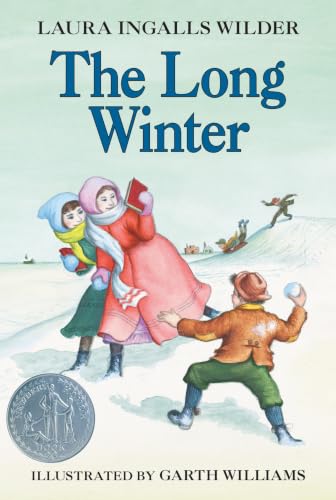
Alas, those happy early days in South Dakota weren’t to last. As suggested by the title, The Long Winter details the particularly devastating winter of 1880 and 1881, when Laura was 13. A shocking seven months of continuous blizzards leave many in the Ingalls’ town snowed into their homes and stop supply trains from delivering needed food and fuel. However, a bright spot for Laura: Here, she first crosses paths with her future husband, as Almanzo and a friend risk their lives to deliver wheat to her town.
Book 7 — 'Little Town on the Prairie'
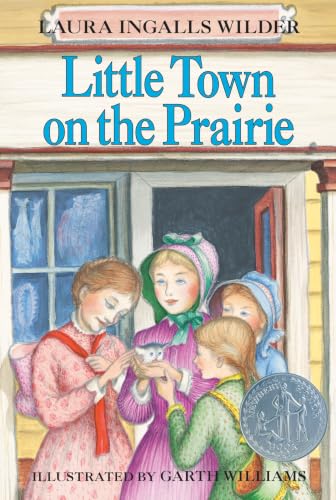
Things are on the upswing for Laura after making it through that horrible winter—despite the onslaught of classic teenage angst and the arrival of her old nemesis Nellie in town. She’s fielding invitations to socials, parties, and literary society meetings, plus a request from Almanzo to start walking her home from church every week(!). She also begins working toward earning her teaching certificate and makes a point of contributing everything she can to Mary’s tuition at a college for the blind in Iowa.
Book 8 — 'These Happy Golden Years'
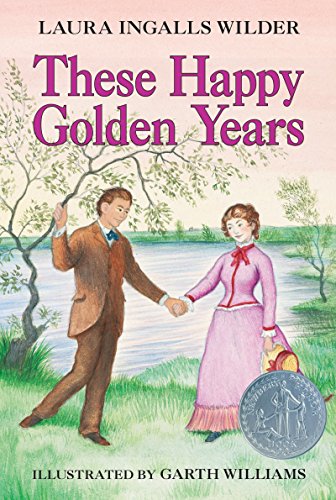
Originally the final book in Wilder’s Little House series, this eighth novel encompasses Laura’s late teens, as she takes a job at a nearby school and truly comes into her own as a self-sufficient young adult. There’s also, of course, her continued courtship with Almanzo, which culminates at the end of the book with his proposal and their sweet, simple wedding.
Book 9 — 'The First Four Years'
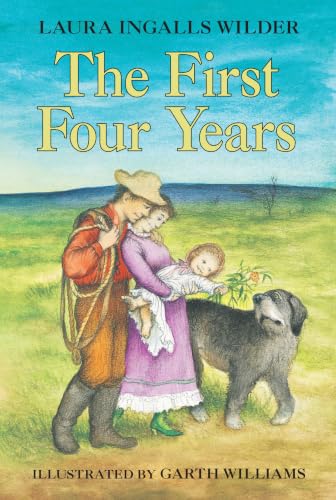
More than a decade after Wilder’s 1957 death, her daughter Rose’s designated heir, Roger MacBride, discovered a first draft of The First Four Years among Rose’s belongings and published it as-is. It wraps up Laura’s coming-of-age story by documenting the first years of her marriage to Almanzo, as they begin making their own way as a young pioneer family, with all the trials and tribulations that entails, from illnesses to fires to tragic deaths.
Did Laura Ingalls Wilder write anything else?
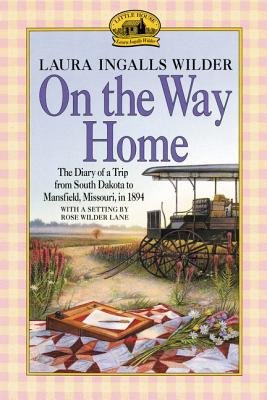
Indeed, she did, though all of the nonfiction variety. Amid the many collections of newspaper columns, letters, poems, and other writings published since Wilder’s death, several stand out. The first, in 1962, was On the Way Home, detailing her, Almanzo, and Rose’s move from South Dakota to Missouri in 1894. It was followed in 1974 by West From Home, comprising a series of letters Wilder wrote to her husband during a 1915 visit to Rose in San Francisco.
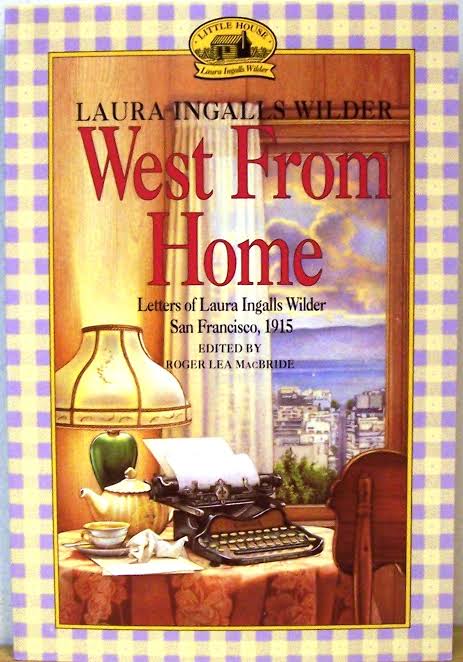
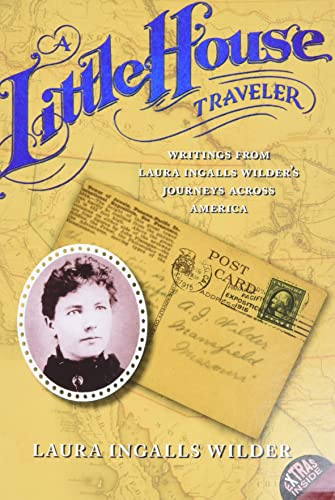
Those books were combined into A Little House Traveler in 2006, along with The Road Back, a previously unpublished diary that Wilder kept while returning to South Dakota with Almanzo in the 1930s to visit her family and gather information for her Little House series.
Are there any other books in the 'Little House' universe?
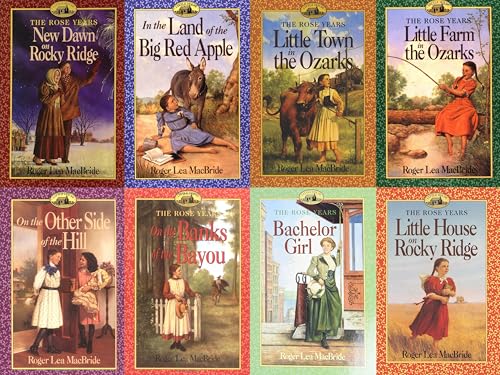
So many. Several authors have taken on the task of expanding the Little House-iverse, including the aforementioned MacBride, heir and “political disciple” to Wilder’s daughter Rose. He published eight books in the 1990s about her life, known as “The Rose Years.”
There are also “The Martha Years,” a four-book series about Laura’s great-grandmother by Melissa Wiley; “The Charlotte Years,” another tetralogy from Wiley, this one describing the life of Laura’s grandmother; and “The Caroline Years,” seven novels about Laura’s mother, with the first four written by Maria D. Wilkes and the final three by Celia Wilkins.
Wilkes also published two dozen chapter books simplifying several of the longer novels’ stories about Caroline, Laura, and Rose. And even younger readers can get in on the Little House fun with the countless picture books, board books, and other pre-reader versions of the stories that have hit shelves over the years.
Elsewhere, in an attempt to fill in some blanks between On the Banks of Plum Creek and By the Shores of Silver Lake, prolific children’s author Cynthia Rylant published Old Town in the Green Groves in 2002, based on some of Wilder’s notes and historical records. Meanwhile, between 2007 and 2012, Heather Williams and Elizabeth Cody Kimmel filled in a few more gaps, releasing a trio of books telling the stories of Nellie, Mary, and Almanzo.
Less canonical is the Days of Laura Ingalls Wilder series, which comprises eight books written by Thomas L. Tedrow in 1992. Though they feature Laura, Almanzo, and Rose in their Missouri home, the books aren’t explicitly based on Wilder’s actual life or writings, but instead imagine how she might have responded to many of the most pressing issues of the early 1900s.
Want to read more?
Check out the full article on the original site