Panama Arrests 26 Port Workers In International Cocaine Trafficking Probe Linked To Australia And Europe
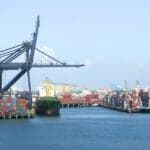


Panamanian authorities have arrested 26 people, including alleged port workers, after a two-year international investigation into an organised crime network accused of using the Port of Balboa to smuggle cocaine to Australia and Europe.
The arrests followed a joint investigation involving the Australian Federal Police (AFP), Australian Border Force (ABF), Panama’s National Police, the Panamanian Public Prosecutor’s Office (PGN) and other international partners.
Investigators linked the alleged network to multiple cocaine seizures made in Australia between October 2024 and the present.
Authorities allege the group used the Port of Balboa, on the Pacific side of the Panama Canal, as a key transit point for drug shipments.
According to investigators, corrupt port workers and contractors hid cocaine inside refrigerated shipping containers before they were exported to Australia and Europe.
More than one tonne of cocaine connected to the investigation has been seized across Australia and Europe.
On July 7, Panamanian authorities carried out 37 search warrants across the country, leading to the arrest of the 26 suspects, who are alleged to be workers from Balboa Port.
AFP Commander Americas Andrew Donoghoe said the operation was the result of close cooperation between Australian and Panamanian authorities.
According to Donoghoe, investigators had “struck at the heart” of a major criminal organisation that sought to exploit international supply chains to traffic large quantities of cocaine to Australia.
He added that the operation demonstrated the strength of international law enforcement partnerships and the importance of intelligence sharing in combating organised crime.
Australian Border Force Commander for International Operations Claire Rees said information sharing between the agencies helped stop the drugs before they reached Australia.
Rees said the coordinated operation targeted the group’s operating model before the illicit drugs could reach the Australian border, describing it as an example of the two countries working together to disrupt organised crime networks.
Investigators said the case shows how organised crime groups can exploit commercial shipping and container supply chains to move drugs across international borders.
The Port of Balboa is one of Latin America’s largest container transshipment hubs. Located on the Pacific entrance of the Panama Canal, it connects shipping routes between Asia and the Americas.
The port handled about 2.6 million TEU in 2025 through its five container berths and two multipurpose berths.
According to the U.S. Bureau of International Narcotics and Law Enforcement Affairs, Panama remains an important transit point for drug trafficking because of its 2,490-kilometre (1,547-mile) coastline, its forested border with Colombia and its busy maritime trade.
Authorities also added that Panama’s ports handled more than 9.9 million TEU in 2025. They said criminal networks have also taken advantage of the country’s dollarised economy to support illegal drug trafficking.
References: afp, skynews
Want to read more?
Check out the full article on the original site