Anti-Trans Legislation Isn't About "Protecting Girls"—It's About Distracting Us From What Matters
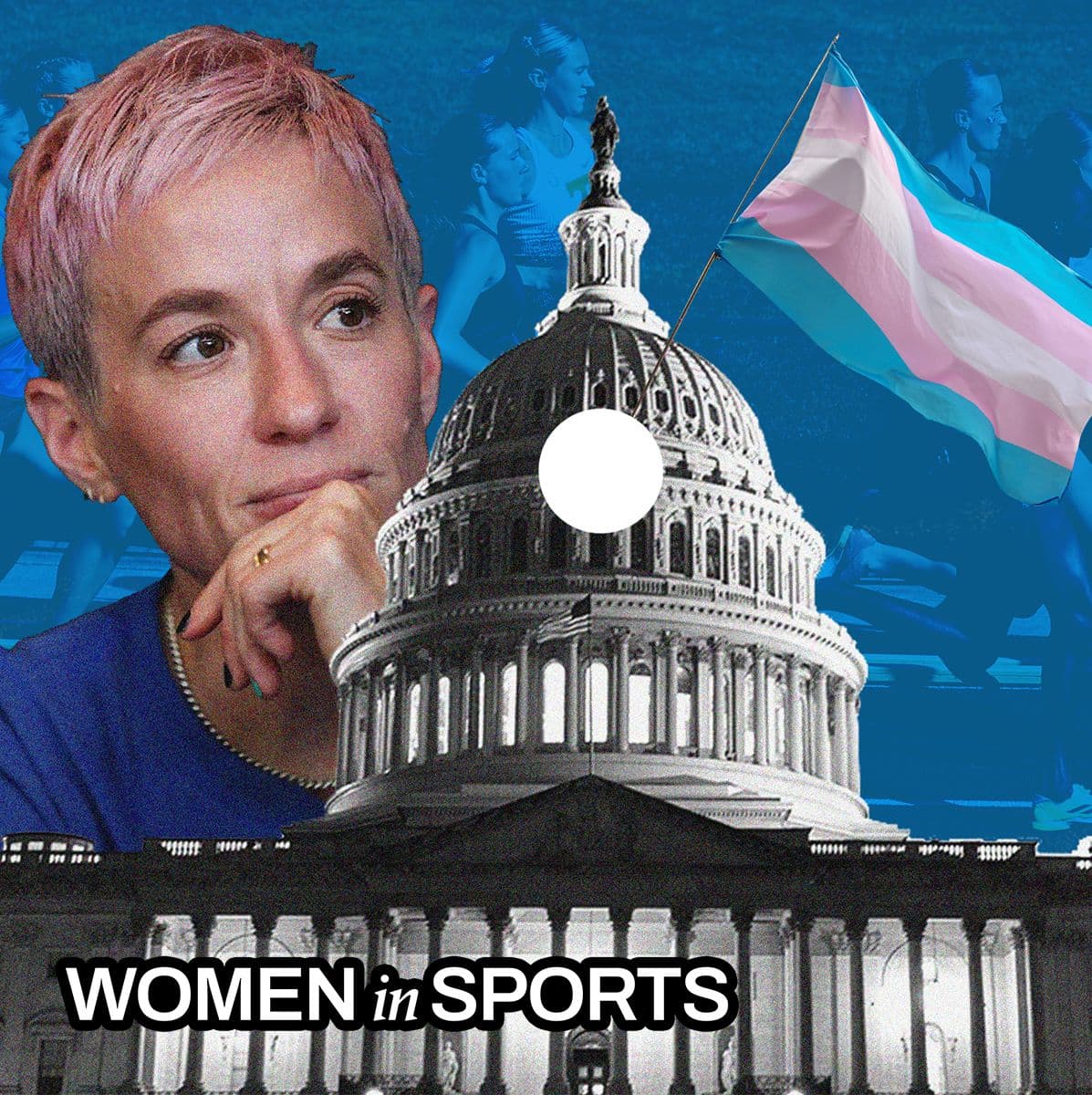
A few months ago, I was packing for a flight and heading out the next day to shoot a World Cup commercial when I got a call from my agent: “They’re pulling you from the spot.”
The brand had recently implemented AI software that flagged potential talent for “risk.” Mine was that I spoke in support of trans rights. Anti-inclusion politicians have made the conversation around trans athletes in sports so muddied and full of false fearmongering that brands lacking moral clarity are running from mere association.
The truth is, trans people have been competing in sports for decades, and will continue to participate as this smoke screen from bad faith legislators and anti-LGBT groups cloak the real damage being done. As with so many other manufactured issues we fall for, women and girls will suffer the most.
While bills being brought across the country tape a "protect women and girls" banner over their sexist laws, women across the country are being stripped of reproductive rights and being left to bleed out in hospital parking lots.
Spaces that leave girls and women feeling empowered are the spaces they want to constrict—and then eliminate.
A recent U.S. Supreme Court ruling affirmed the wave of draconian state controls on who can play girls' sports when it decided athletic eligibility can be based on a person’s biological sex. These laws are some of the most intense political assaults on LGBTQ+ people in recent years, and they are turning back the clock on our rights, including revived threats against marriage equality.
How do you enforce who is “girl enough” to play sports? In my home state of Washington, the most extreme proposal of its kind is before voters on the November ballot. Measure I-638 would require all girls—but not boys—to be medically sex certified before they can play sports.
In a country rife with sexual assault, young girls would have to undergo invasive inspections of their genitals, or pay for a DNA or hormone test, as part of their school sports physicals. Doctors say genital inspections are not only medically unnecessary to play sports, they can traumatize and physically harm young girls.
In their witch hunt for a few trans kids in the entire state who play school sports, I-638’s backers will drive thousands of girls out of sports because their parents cannot afford the necessary testing or refuse to submit their daughters to genital inspections.
That’s a feature, not a bug, of these laws. Preventing girls from playing sports is the whole point. Spaces that leave girls and women feeling empowered are the spaces they want to constrict—and then eliminate.
These policies make all girls and women less safe. They create new ways to question and control women and girls, and that affects all of us.
Imagine you’re 13 years old and worrying: Am I the "wrong" kind of girl to play sports? Am I too tall, too boyish, or so fast that politicians will question whether I am girl enough to play on a team with my friends?
I was that girl at 13. I didn't fit the stereotypes of how some people think a girl should look, act, and compete. If today’s state laws policing girls who play sports had been in place then, I might have never joined a soccer team and never went on to win two FIFA World Cup titles and an Olympic gold medal—all because I wasn’t the right kind of girl in the eyes of some politicians.
Even if I had not become a professional athlete, my life would have been dramatically different without the joys, friendships, and life lessons that came with playing sports. Every girl deserves to have that experience, and no girl deserves to be discriminated against. That’s why all girls, including trans girls, should be able to play with their classmates in the sports they love.
Girls of color are the first to be targeted and questioned about their bodies. We can all name Black and Brown athletes who’ve been harassed for how they look or how well they perform in their sport. Girls with short hair or low voices, girls who are taller or stronger, girls who don’t fit someone else’s expectation of femininity, will face further harassment and new demands to prove their eligibility by pulling down their pants.
Girls with short hair or low voices, girls who are taller or stronger, girls who don’t fit someone else’s expectation of femininity, will face further harassment
Attacks on trans girls are feints to throw us off balance and distract from the real issues impacting all Americans, like the costs of groceries and gas, healthcare, and housing. If we really cared about safety and fairness in sports, we’d be breaking down barriers facing girls at every level, protecting them from sexual violence and harassment, and paying professional women athletes on the same scale as their male counterparts.
But they don’t want us to focus on the real issues in women and girls’ sports. It’s no surprise that the man who is bankrolling Washington’s I-638 is a mega-millionaire and major Trump donor. He has no background in women’s sports, yet he claims to be speaking on behalf of women and girls in need of his protection. We don’t need to be “protected” by people like him, and we can speak for ourselves.
Standing up for our trans siblings and welcoming them on the field sends a powerful message to these politicians that we reject their hate and division—and to keep their hands off of our bodies.
Want to read more?
Check out the full article on the original site