Toxic Hydrogen Fluoride Leak Aboard Cargo Ship Halts Port Operations & Disrupts Shipping Traffic At Antwerp
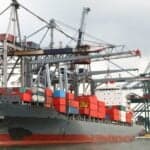


Operations at the Port of Antwerp-Bruges were disrupted after a container carrying hydrogen fluoride leaked aboard an MSC container ship.
The leak occurred on the evening of 14 July while the MSC Mia Summer II was berthed at the MSC PSA European Terminal (MPET) at Deurganck Dock in Waasland Port.
Belgian authorities activated the Medical Intervention Plan (MIP) as emergency teams moved to contain the leak and assess any risk to workers and the surrounding area.
The incident temporarily halted cargo handling and vessel traffic in part of one of Europe’s busiest ports before authorities gradually allowed operations to resume following safety checks.
MSC said terminal operations were immediately suspended and personnel evacuated as a precaution.
The disruption affected Quay 1700, Quay 1718, Quay 1742 and Medrep S11, with the carrier saying the incident had significantly impacted terminal activities.
Firefighters and other emergency responders carried out air quality monitoring, identified the leaking substance and assessed whether the damaged container had affected the vessel or nearby cargo before it could be removed.
Authorities later confirmed that the damaged container was carrying hydrofluoric acid (HF), also known as hydrogen fluoride. Several workers became unwell after the leak and were given medical treatment before being taken to hospitals.
According to Belgian media reports, up to 150 people underwent precautionary medical checks, while 25 people reportedly developed symptoms following exposure.
One person was admitted to intensive care. Authorities have not confirmed the final number of people affected or how much hydrogen fluoride escaped from the container.
As a precaution, authorities closed the bridges over the Kieldrecht Lock, suspended shipping traffic in the affected area and asked people to stay away from Quay 1742 while emergency teams continued monitoring air quality.
Air quality measurements carried out outside the immediate Waasland Port area reportedly found no signs of wider contamination.
On the morning of 15 July, authorities said vapours were still escaping from the container, but the release had decreased and the main risk remained close to the source.
Specialist teams prepared to remove the damaged container by placing a lime-filled drip tray beneath it before sealing and safely lifting it from the vessel. Air quality monitoring continued throughout the operation.
Later on 15 July, the Port of Antwerp-Bruges said fire service measurements had cleared all terminals except MPET to reopen.
DP World’s Antwerp Gateway terminal resumed operations, inland shipping restarted at the terminal, and vessels moored between Berth 1730 and the entrance to Deurganck Dock were allowed to leave. Shipping traffic across the Left Bank port area also resumed.
However, MPET remained closed while emergency teams continued safety assessments.
In its latest update on 16 July, the port authority said air quality monitoring had continued overnight and containers located near the leaking unit had been unloaded and cleaned. The safety perimeter remained in place, meaning MPET was still not allowed to resume operations.
MSC had earlier said terminal activities were expected to restart at around 1400 local time on 15 July, subject to approval from the authorities. Instead, operations resumed in stages as safety inspections progressed.
The cause of the damage to the container remains under investigation. Authorities are also assessing whether the leaked chemical affected the vessel or any surrounding cargo before the damaged container is removed.
Most operations across the affected port area have resumed, but MPET remains closed pending further safety clearance.
Reference: portofantwerpbruges
Want to read more?
Check out the full article on the original site