India-Linked Ships Among Top Applicants For Iran-Managed Strait Of Hormuz Transit
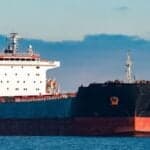


Merchant vessels travelling to and from India accounted for one of the largest shares of applications to use Iran-designated routes through the Strait of Hormuz in the three weeks following the June 17 U.S.-Iran peace memorandum of understanding (MoU), according to data released by Tehran.
The figures show India continues to rely heavily on the Strait of Hormuz, even as shipping through the waterway remains below pre-conflict levels following renewed tensions between Iran and the United States.
The Persian Gulf Strait Authority (PGSA), set up by Iran to regulate vessel movements through the Strait of Hormuz, said more than 200 non-Iranian ships applied for passage permits and insurance coverage during the three weeks after the June 17 agreement.
Among vessels leaving the Persian Gulf, India-bound ships accounted for 20% of transit requests, second only to China at 21%.
The rest of Asia made up 29% of outbound requests, while intra-Persian Gulf movements accounted for 22%. The remaining 8% were destined for the rest of the world.
For ships entering the Persian Gulf, India was the largest country of origin, accounting for 21% of transit requests. China followed with 19%, while other Asian countries represented 20%. Intra-regional traffic made up 24% of requests and the rest of the world accounted for 16%.
The PGSA did not disclose the total number of transit requests it received or provide absolute figures. The data also excludes vessels that crossed, or attempted to cross, the Strait of Hormuz without seeking permission from Tehran.
India relies heavily on the route for energy imports. Around 40% of its crude oil imports, 60% of its liquefied natural gas (LNG) imports and about 90% of its liquefied petroleum gas (LPG) imports come from West Asia through the strait.
Overall, India imports more than 88% of its crude oil, about 60% of its LPG and roughly half of its natural gas, which is imported as LNG.
According to the PGSA, 53% of the more than 200 transit applications received during the three-week period were for vessels leaving the Persian Gulf, while 47% were for ships entering it.
The authority said it had approved 79% of the applications, while another 14% were still under review as of July 14. It said the average processing time for applications was about 50 hours.
Tankers accounted for the largest share of applications at 41%, followed by bulk carriers at 27%. Container ships made up 18%, LNG carriers 2% and service vessels 1%, while other vessel types accounted for the remaining 11%.
The data covers a period when shipping activity recovered after the June 17 agreement before tensions escalated again around the Strait of Hormuz.
According to vessel tracking data from Kpler, only 14 vessels crossed the strait on July 12, down from 24 on July 11 and 19 on July 10. Data from S&P Global showed ship transits had not fallen to that level since June 14, three days before the United States and Iran signed the peace MoU.
Industry data showed vessel movements increased after the agreement, rising above 90 crossings on June 24 and averaging between 40 and 50 vessels on most days during the following three weeks. Even then, traffic remained below pre-conflict levels of as many as 140 daily transits.
Three weeks later, regional tensions escalated again, leading to another sharp decline in commercial shipping. Ships continue to transit the Strait of Hormuz, but traffic remains significantly below earlier levels. Iran and the PGSA continue to maintain that the strait is closed.
The Strait of Hormuz has become a key point of disagreement between Tehran and Washington over how commercial vessels should transit the waterway.
The United States and its allies have encouraged ships to use routes closer to Oman’s waters, while Iran has continued to insist that vessels seek permission from the PGSA and use only routes designated by Tehran.
Maritime data shows that after Iran targeted several vessels using the Omani route last week, most ships continuing to cross the strait have used routes designated by Iran.
During the conflict, Iran tightly controlled vessel movements through the waterway, allowing only a limited number of ships to pass using routes approved by Tehran.
Following the June agreement, Iran kept its requirement that vessels obtain PGSA approval before transiting and has said it plans to introduce a transit service fee at a later stage.
Earlier this week, U.S. President Donald Trump proposed a 20% charge by the U.S. Navy to facilitate the safe passage of commercial ships through the Strait of Hormuz before withdrawing the proposal a day later.
Shipping security concerns in the region continue after two Indian seafarers were involved in separate attacks on vessels over the past three days.
In response, New Delhi directed shipowners, ship managers and recruitment companies not to deploy Indian seafarers on vessels transiting the Strait of Hormuz until further orders.
India is the world’s third-largest supplier of seafarers, with more than 300,000 Indian sailors serving on merchant ships worldwide.
The Strait of Hormuz carried about one-fifth of global oil and LNG flows before the conflict began in late February. Shipping through the waterway has recovered from its wartime lows but remains below normal levels as uncertainty over security and transit arrangements continues.
References: news18, indianexpress
Want to read more?
Check out the full article on the original site