3000 Filipino Seafarers Stranded In Persian Gulf As Iran Shuts Strait Of Hormuz Again
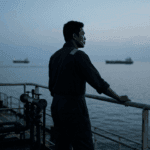


Around 3,000 Filipino seafarers are stranded on around 400 ships in the Persian Gulf after Iran’s Islamic Revolutionary Guard Corps (IRGC) announced the Strait of Hormuz was closed again.
The figure was released this week by the Philippine Department of Migrant Workers (DMW). That’s an increase from the 2,500 the department announced just days ago, as renewed exchanges between the US and Iranian forces have brought transit through the strait to the brink of a standstill.
Migrant Workers Secretary said the seafarers are not being held hostage. “They still do their regular shifts and they’re still sending wages and benefits to their families in the Philippines,” he said.
The department also said 3,718 Filipino crew members have transited the strait since the crisis began.
Secretary said that DMW is working with licensed manning agencies and shipowners to make sure the remaining vessels are supplied with food, water, medicine and other essentials and that monitoring is operating round the clock. He said the ships concerned were still seaworthy.
However, two vessels, each carrying 15 Filipino seafarers, crossed the strait on 6 and 7 July, and both were attacked. Philippine sources named them as the Qatari liquefied natural gas carrier Al Rekayyat and the Saudi-flagged crude oil tanker Wedyan. Both are listed on the International Maritime Organization’s list of confirmed incidents for those dates, along with the Liberian-flagged Cyprus Prosperity, which was damaged east of Oman’s Musandam Peninsula on July 7.
The IRGC’s latest closure came after an attack on the Cyprus-flagged container ship GFS Galaxy, which it accused of using a route not approved by Tehran. One member of the ship’s crew is missing. The IRGC said the strait would be reopened only if the US ends its interference in the region.
US Central Command (CENTCOM) said it responded with additional strikes on Iranian coastal defence systems and cruise missile sites including locations on Greater Tunb Island, saying the goal was to degrade Iran’s ability to attack merchant shipping.
The Philippines supplies around a quarter of the world’s merchant seafarers, meaning its citizens are disproportionately vulnerable to any disruption at a chokepoint like Hormuz. Some 100 vessels passed through the strait each day before the war, almost half of them tankers.
The IMO Secretary-General has condemned the attacks against merchant vessels and called on all parties to allow safe passage of ships still trapped inside the Gulf. He has repeatedly stressed that seafarers are civilians caught in a dispute they are not part of.
For the crews still at anchor the wait is now measured in months, not weeks. Contracts are running out on board. Relief crews cannot reach the ships and the ships cannot reach a port where relief can be provided.
The DMW said it is ready to repatriate any Filipino worker affected who wishes to return, and that repatriates are given financial assistance upon arrival.
Want to read more?
Check out the full article on the original site