•2 min read•from Frontiers in Marine Science | New and Recent Articles
From spatial expansion to institutional coherence: governance pathways of marine protected areas in island blue economies
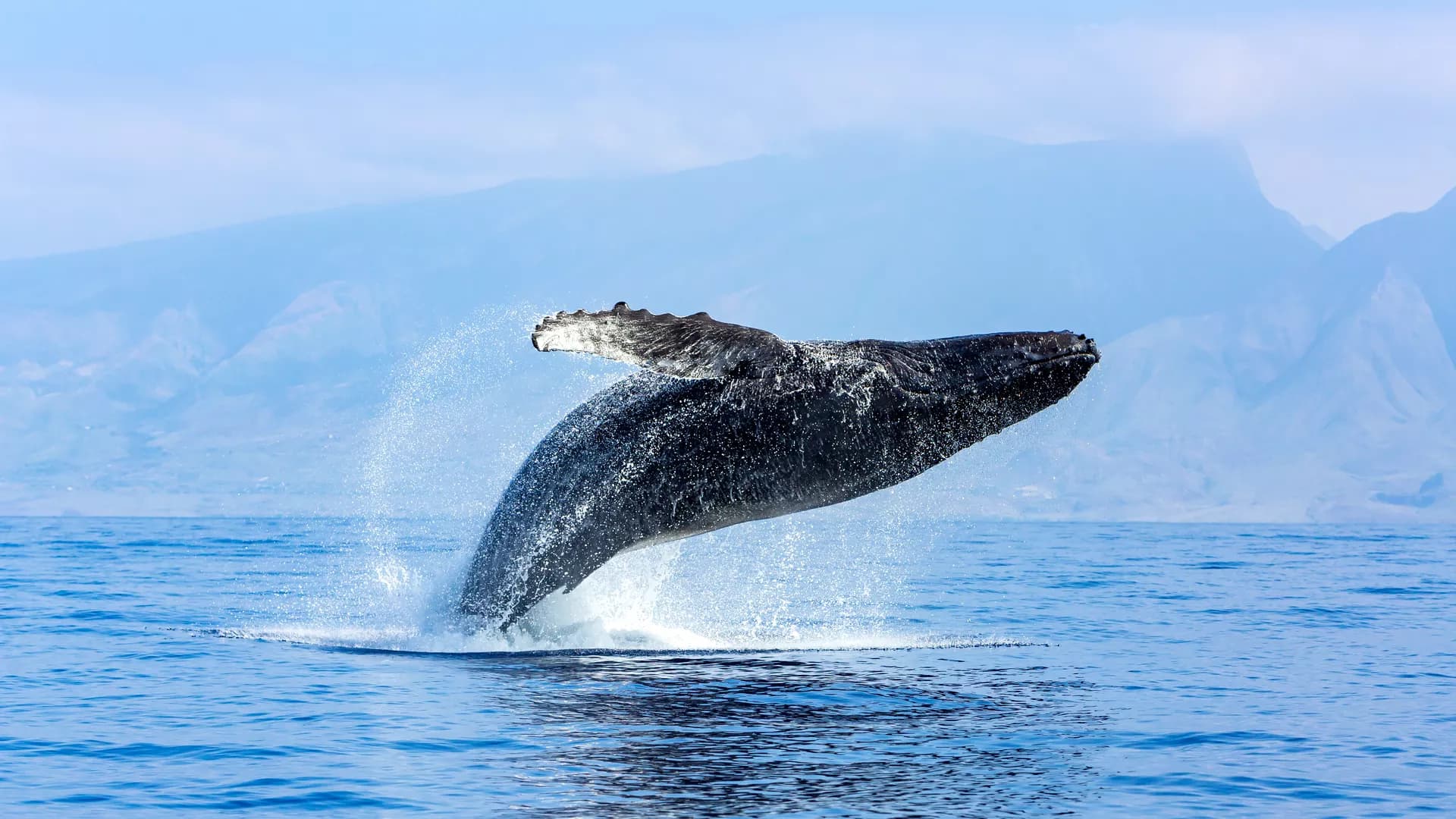
Island jurisdictions are simultaneously advancing marine conservation and expanding blue economy activities under intensifying climate stress. Although Marine Protected Areas (MPAs) have expanded rapidly in response to global biodiversity commitments, spatial designation alone has not consistently translated into effective governance, policy coordination, or climate resilience. In island settings—where fisheries, maritime industries, and ecological vulnerability intersect— MPAs must operate as integrated governance mechanisms rather than stand-alone conservation zones. This study comparatively examines the governance arrangements of Fiji, Palau, and the Taiwan marine governance system to assess how different institutional arrangements shape the practical implementation of MPAs within broader ocean policy systems. Drawing on spatial MPA datasets (WDPA), biodiversity occurrence records (OBIS), and qualitative analysis of legal frameworks, enforcement structures, and monitoring systems, the research evaluates how institutional coordination, policy integration, and management capacity influence the operational performance of MPAs. The analysis focuses on governance alignment rather than causal ecological attribution, emphasizing how policy design conditions implementation effectiveness. Three governance models emerge: (1) coverage-driven sovereign protection, characterized by large-scale designation with centralized authority; (2) community-nested governance, grounded in local stewardship but limited national coordination; and (3) institutionally integrated governance, where MPAs are embedded within marine spatial planning, regulatory systems, and sectoral marine policies. The comparison demonstrates that institutional coherence—horizontal alignment across marine sectors and vertical coordination across governance levels—plays a more decisive role in policy effectiveness than protected area extent alone. For island blue economies, strengthening MPA performance requires sequencing spatial expansion with investments in enforcement, monitoring, and inter-agency coordination; embedding MPAs within marine spatial planning frameworks; and establishing adaptive policy cycles that connect ecological monitoring to regulatory adjustment. These findings provide transferable policy insights for strengthening governance coherence, enhancing MPA effectiveness, and supporting climate-resilient ocean development in island blue economies.
Want to read more?
Check out the full article on the original site
Tagged with
#climate monitoring
#marine biodiversity
#research datasets
#Marine Protected Areas (MPAs)
#Blue Economy
#Island Jurisdictions
#Governance
#Climate Resilience
#Spatial Planning
#Policy Coordination
#Institutional Coherence
#Fiji
#Palau
#Taiwan
#Marine Conservation
#Fisheries
#Biodiversity
#Enforcement
#Monitoring
#WDPA (World Database on Protected Areas)