US Redirects 8 Commercial Ships, Disables One To Fully Enforce Iran Naval Blockade
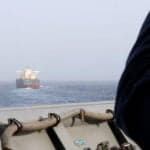


U.S. forces have redirected eight commercial vessels and disabled one ship while enforcing Washington’s naval blockade of Iran.
The latest action, announced by U.S. Central Command (CENTCOM), is part of Washington’s campaign to prevent vessels from entering or leaving Iranian ports while keeping the Strait of Hormuz open for ships that are not trading with Iran.
The blockade is aimed at restricting Iran’s oil exports and maritime trade without disrupting neutral commercial shipping through the strategic waterway.
“As of July 21, U.S. forces have redirected eight commercial vessels and disabled one to fully enforce the blockade,” CENTCOM said in a post on X.
According to the U.S. military, the eight commercial vessels changed course after coalition naval forces ordered them to do so.
One additional vessel was disabled after it allegedly ignored repeated warnings, making it one of the strongest enforcement actions since the blockade began in April.
The operation is part of the second phase of the blockade reinstated by President Donald Trump on July 14, 2026, after ceasefire talks between Washington and Tehran collapsed and fighting resumed around the Strait of Hormuz.
The United States says the blockade applies only to shipping linked to Iranian ports and is intended to stop maritime trade with Iran while allowing other commercial vessels to continue using the Strait.
Every operational success in the Middle East begins and ends with service members focused on their missions, including the U.S. blockade against Iran. As of July 21, U.S. forces have redirected 8 commercial vessels and disabled 1 to fully enforce the blockade. pic.twitter.com/e9020BcaCQ
— U.S. Central Command (@CENTCOM) July 21, 2026
Commercial traffic through the Strait of Hormuz has dropped sharply in recent days following missile, drone and shipping attacks linked to the conflict.
Shipping analytics firm Kpler has reported a steep fall in vessel movements, while several tankers have reported security incidents near Oman.
At the same time, Yemen’s Iran-backed Houthi movement has announced a naval blockade targeting Saudi-linked shipping in the Bab al-Mandab Strait, raising concerns about disruptions at two of the world’s busiest maritime chokepoints.
The tensions have also affected oil markets. Brent crude rose above $91 a barrel in Asian trading on Wednesday as traders reacted to growing geopolitical risks affecting Middle Eastern energy supplies.
Separately, CENTCOM said it completed its 11th consecutive evening of strikes against Iran at 8:15 p.m. ET on July 21.
The strikes targeted Iranian military operations centres, maritime capabilities, aircraft hangars, drone storage facilities and military logistics infrastructure. CENTCOM said the strikes were aimed at reducing Iran’s ability to threaten commercial shipping in the Strait of Hormuz.
The command also said Iran has attacked more than 30 commercial vessels transiting the international waterway over the past three months, endangering hundreds of mariners and affecting freedom of navigation.
Despite the conflict, CENTCOM said the Strait of Hormuz remains open to commercial shipping. Since early May, U.S. forces have helped facilitate the transit of about 900 commercial vessels carrying around 450 million barrels of crude oil through the waterway.
U.S. officials said enforcement of the blockade will continue, warning that vessels attempting to violate the restrictions could be intercepted, diverted or, if they fail to comply with repeated orders, disabled.
References: Gulf News, CryptoBriefing
Want to read more?
Check out the full article on the original site