The Major Wedding-Planning Trends That Will Define 2027's Chicest Celebrations
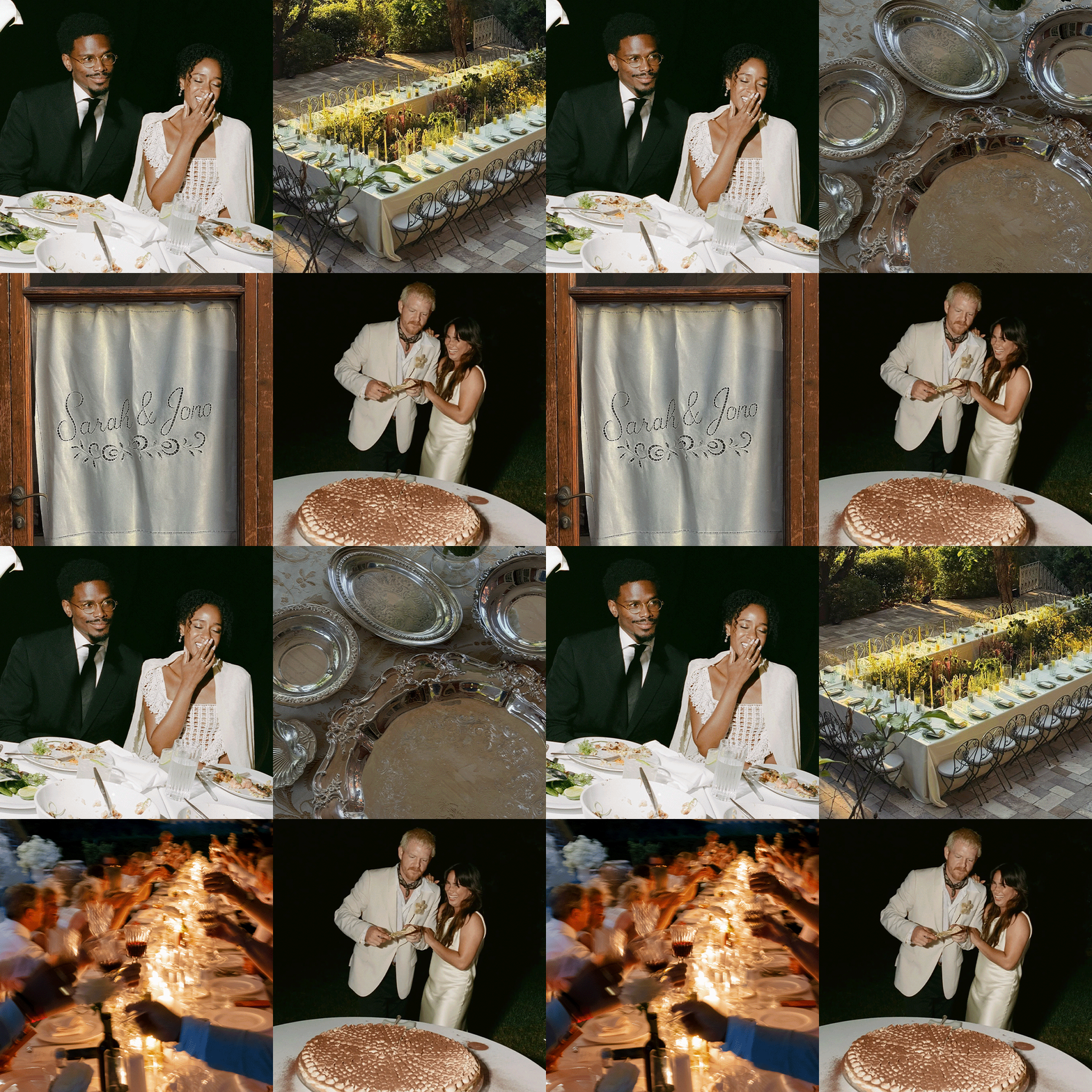
"How's wedding planning going?" It's one of the first questions that follows an engagement—and one of the hardest to answer. Between guest lists, invitation designs, food, music, and décor, planning a wedding quickly becomes an exercise in endless decision-making. For years, many couples approached wedding planning by asking what they should do: the expected venue, the trending color palette, the Pinterest-worthy floral installations, the cool food truck at the after-party. Today, the mindset is shifting. Instead of planning around expectations, couples are asking a different question: How can we create a celebration that feels like us? The result is a wedding design that not only impresses but also leaves the couple and their guests with memories that last long after the night ends. But what does that actually look like?
While 2027 may still feel a long way off, the planners, designers, and creative teams already bringing those celebrations to life can see where weddings are headed. And across the industry, they're pointing to the same evolution: Bigger is no longer better. Instead, the weddings that will define 2027 will be pulled back and rooted in intention, intimacy, and storytelling.
"For the past several years, weddings have largely been optimized for photography; however, couples are now prioritizing intimacy over spectacle and depth over excess," Sunna Yassin, owner of Bash Please, tells Who What Wear. That shift is showing up in every aspect of wedding design. Rather than layering on details for the sake of impact, planners are editing with purpose and choosing elements that feel meaningful to those getting married. The result is celebrations that will feel immersive.
"A 'less-is-more' mentality is emerging," say Victoria and Amanda Dubin of Victoria Dubin Events. It's a philosophy that's changing how designers approach design. This involves not forcing a theme on a space that doesn't feel aligned with it, but "rather leaning into the existing space and integrating restraint in terms of décor," says Hope Sword, owner of Pigsty Studio.
The same thinking extends beyond décor. Curated guest experiences, something as small but meaningful as personalized thank-you note cards at every seat instead of elaborate favors or flowers, are expected to contribute to a larger narrative. "Luxury will no longer be associated with spectacle but with the unrepeatable—something that couldn't exist at any other wedding, because it stems from a unique story, always supported by thoughtful art direction," say Paloma Agramunt and Carla Rodrigo, founders of Pipeta CXS.
Serving as the ultimate thread binding these elements together will be the idea of storytelling. For 2027 weddings, every choice—from the invitation to the final song of the evening—will feel intentionally linked to share the couple's unique narrative. Continue reading to discover the defining 2027 trends across stationery, floral arrangements, design, dining, tablescapes, and cakes, straight from leading experts in planning, catering, florals, and paper goods.
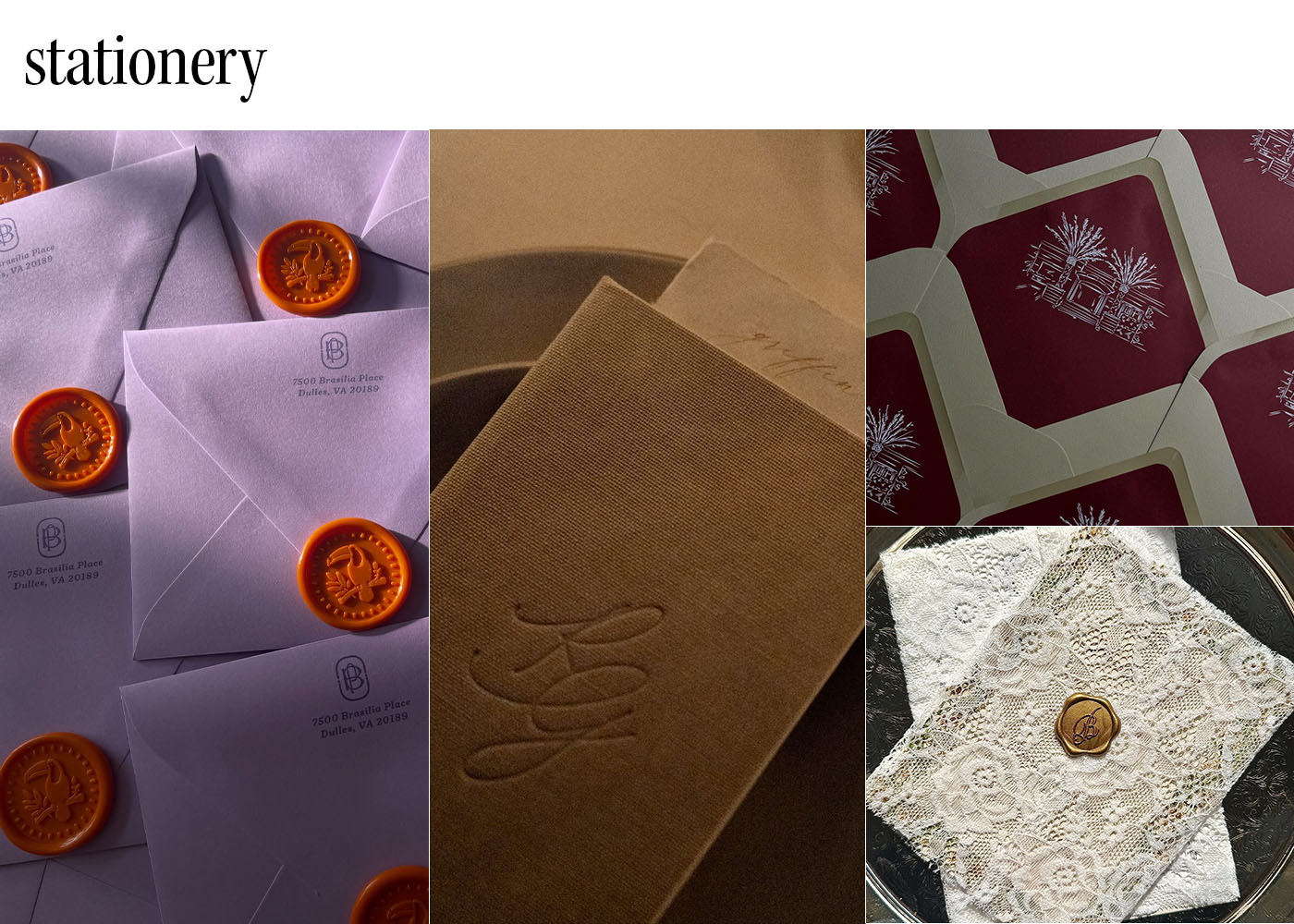
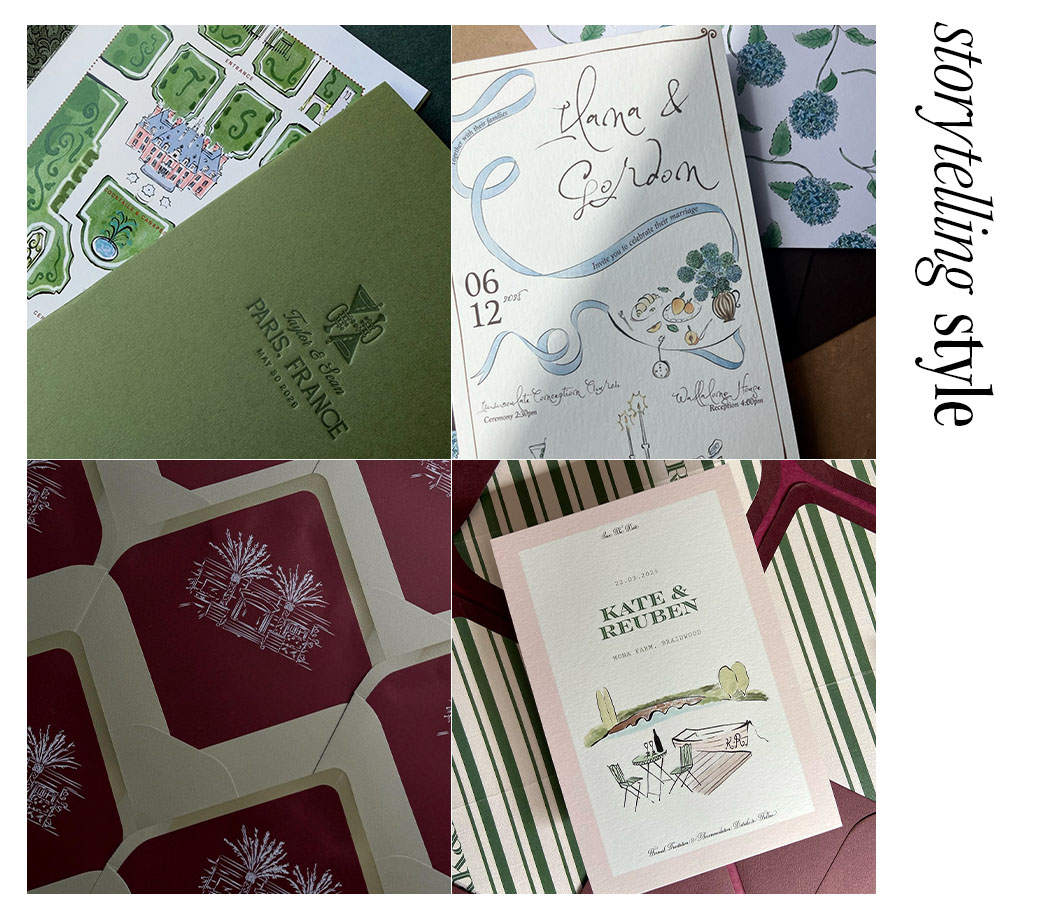
In 2027, the most captivating wedding elements will begin long before the ceremony, starting directly with the invitation. A major trend for the year ahead focuses on stationery that highlights personal narratives. Shana Wanco, founder of Iris and Marie Press, emphasizes that storytelling will become essential as couples increasingly prioritize the guest experience. As a result, invitations will provide early glimpses of what guests can expect during the celebration. "This might be a pattern that will get repeated in the reception space, stemming from the couple's love of a particular vacation they took together," Wanco says. "Or couples might dive into their shared love for tennis and want to immerse their guests in that world as well."
In these types of storytelling stationery, the designs will be quirky and fun, Wanco adds. "Color will come into play with pattern usage and mixing prints: I can see a colorful block print pattern being utilized on an envelope, then recurring in the table linens or lampshades," she says. "I also think that couples will seek out niche artisans to create these one-of-a-kind, colorful, keepsake-type pieces."
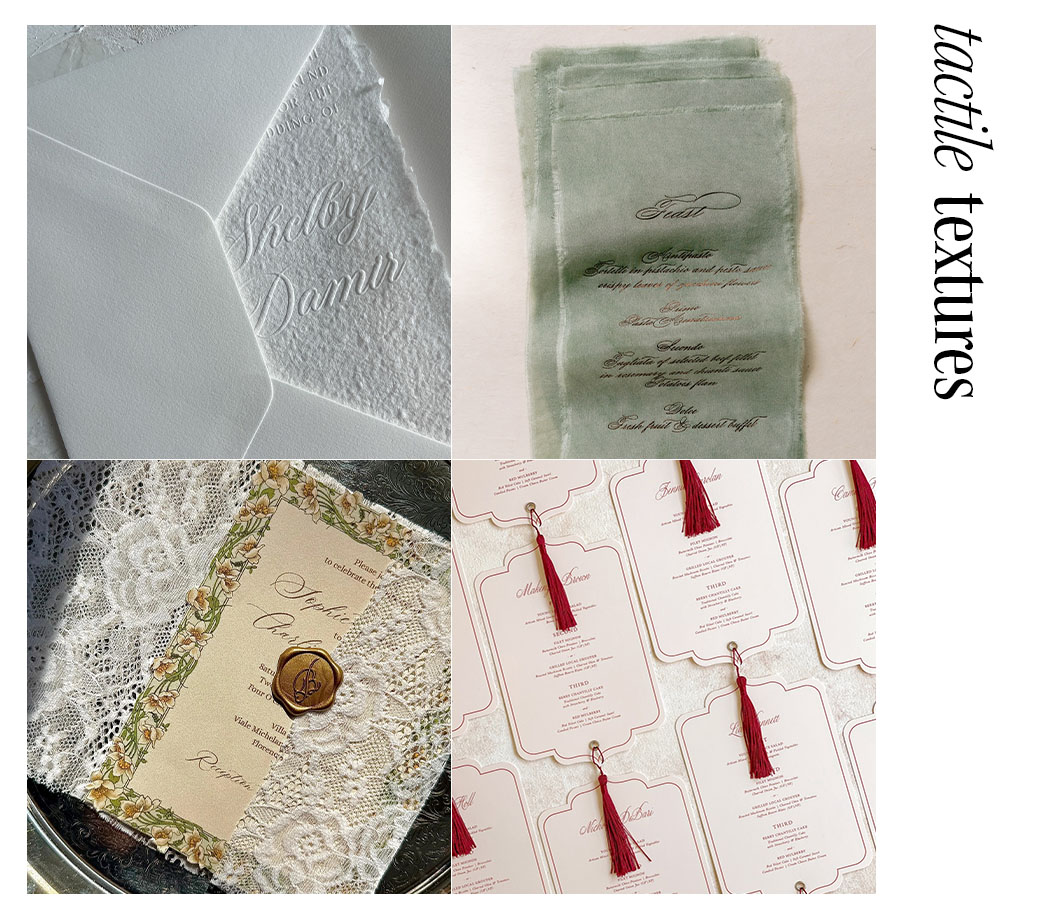
Paper elements—ranging from invitations and menus to seating cards—will be integral to the overarching design narrative. Making a true statement will rely heavily on textured paper rather than smooth options. "Paper goods are becoming increasingly tactile," Yassin notes. "Rather than flat, minimal suites, these artisanal finishes feel collected and deeply personal." They also deliver a distinct visual richness and showcase a level of craftsmanship that reflects genuine care, quality, and deliberate intent. "In an increasingly digital world, beautifully crafted paper feels even more meaningful. … [It feels] collected rather than manufactured," she adds. In the end, it encourages guests to pause and run their fingers across the paper. This extra moment of engagement makes the underlying message feel far more impactful and memorable.
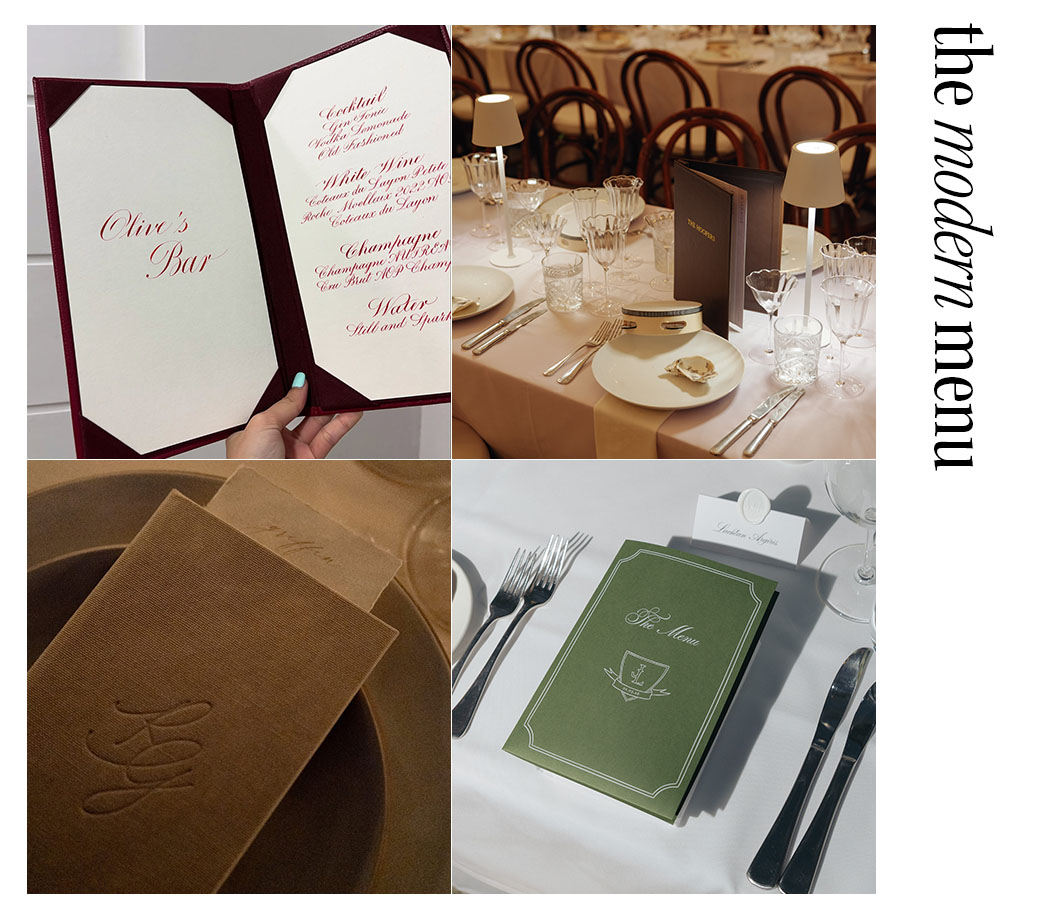
Restaurant-style menus are emerging as the latest luxury wedding detail, perfect for couples who appreciate fine dining, elegant design, and creating unforgettable experiences for their guests. Instead of a standard sheet of paper displayed in a clear frame at the bar or placed on reception plates, these high-quality, beautifully crafted hardcover books are used to present everything from signature cocktails to thoughtfully curated dishes. According to Jesse Tombs, creative director and founder of Jesse Tombs Events, this shift reflects a desire for menus to serve as enduring keepsakes of the celebration. "Couples want to invest in materials and create objects that their guests will cherish and keep for a lifetime," he explains
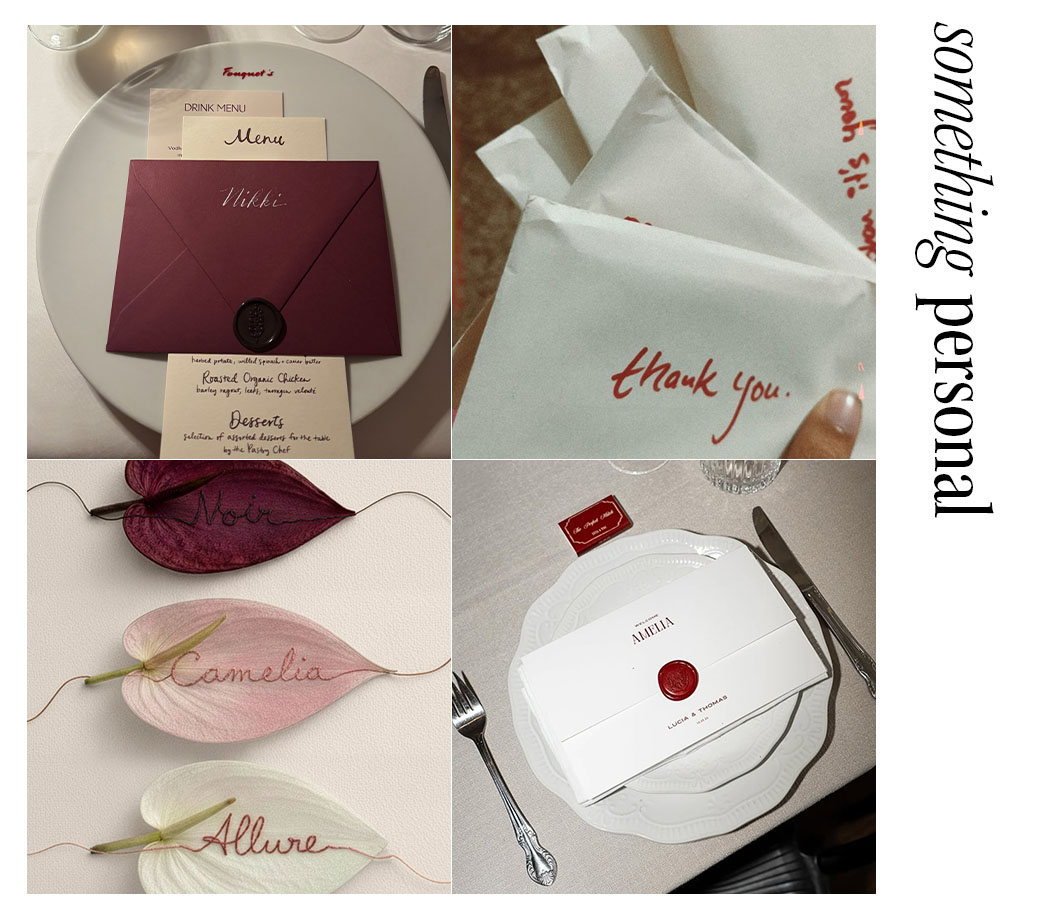
"Couples are looking for thoughtful details that spark joy, or as we like to call them, 'smile factors,'" Victoria and Amanda say. For example, this can manifest as thank-you notes placed at every seat, custom menus featuring each guest's name, monogrammed napkins, personalized gifts, or even intangible details like arranging table assignments based on shared interests. No matter the format, these touches are deeply personal and appreciated because they make guests feel valued. Victoria and Amanda note that they also keep guests talking long after the wedding weekend concludes.
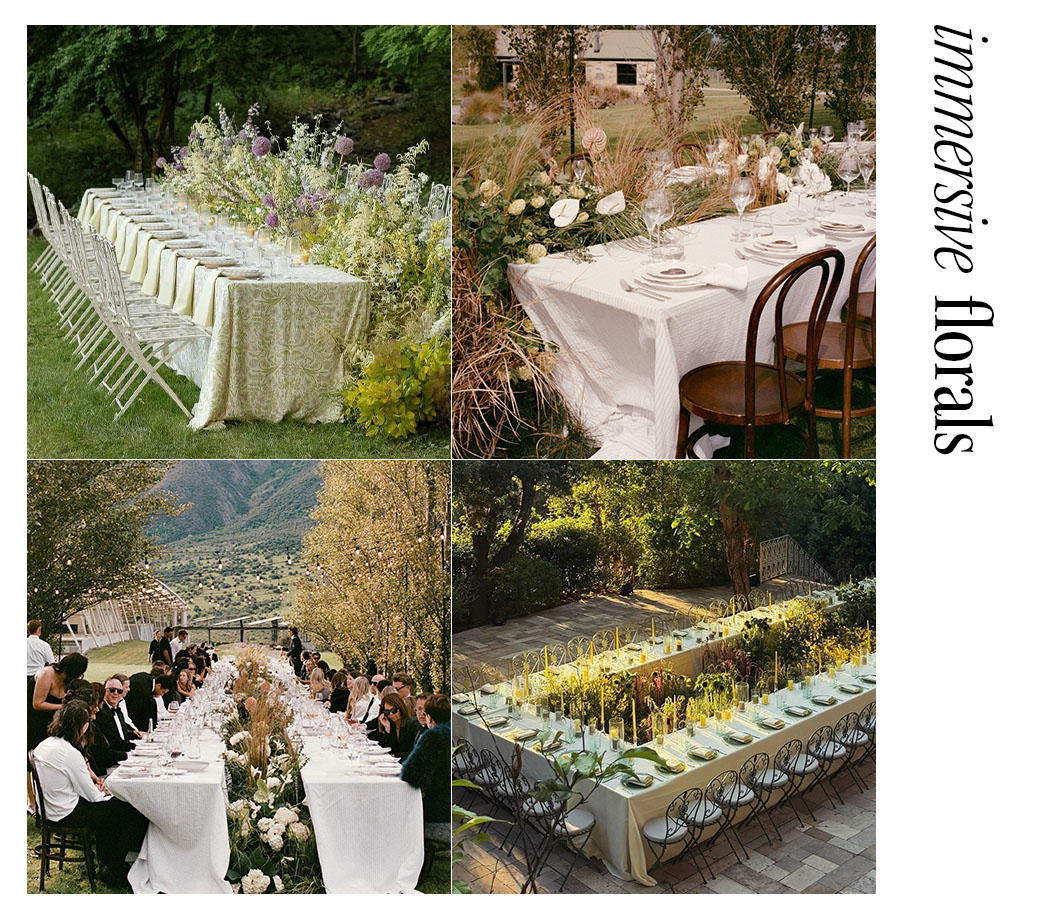
In 2027, reception floral décor is shifting away from traditional centerpieces and arrangements and toward immersive installations situated between long tables. Victoria and Amanda explain that these layouts give guests the feeling of dining inside a garden, as if flowers are naturally emerging from the floor. More than a mere visual feature, these organic arrangements function as living art, evoking deep emotions "and a feeling of being transported," florist Katie Wachowiak says. Sword agrees, noting that "[these immersive floral designs] collect everyone’s attention and invite them into the space, to be a part of something instead of a routine dinner and dancing."
Although various types of flowers will be featured in these artistic arrangements, particular colors are set to dominate. "Bold hues are not disappearing anytime soon," Wachowiak notes. "Rich browns and deep reds will continue to have a strong presence, while softer accents such as lilac and pastel blue begin to emerge." She continues to share that the floral color palettes we see in the year ahead will harmonize with other décor moments, as well as with fashion and dress codes, to create a cohesive look.
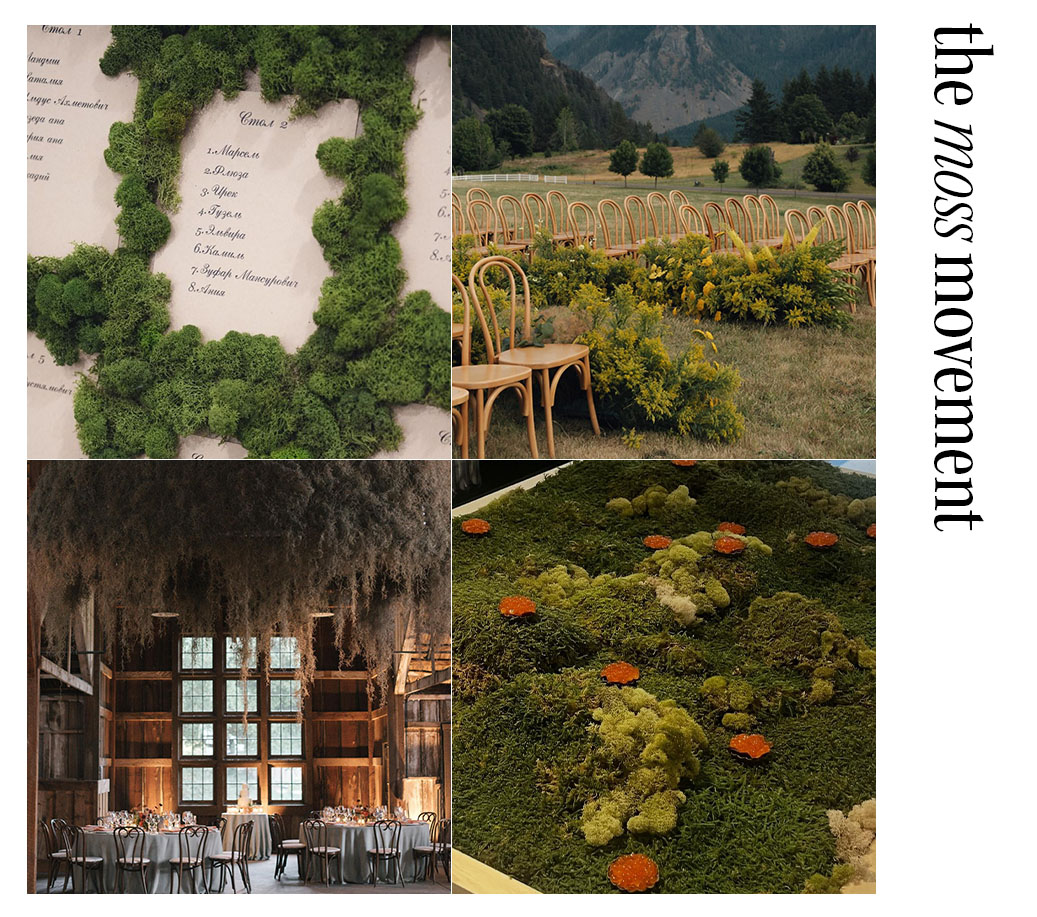
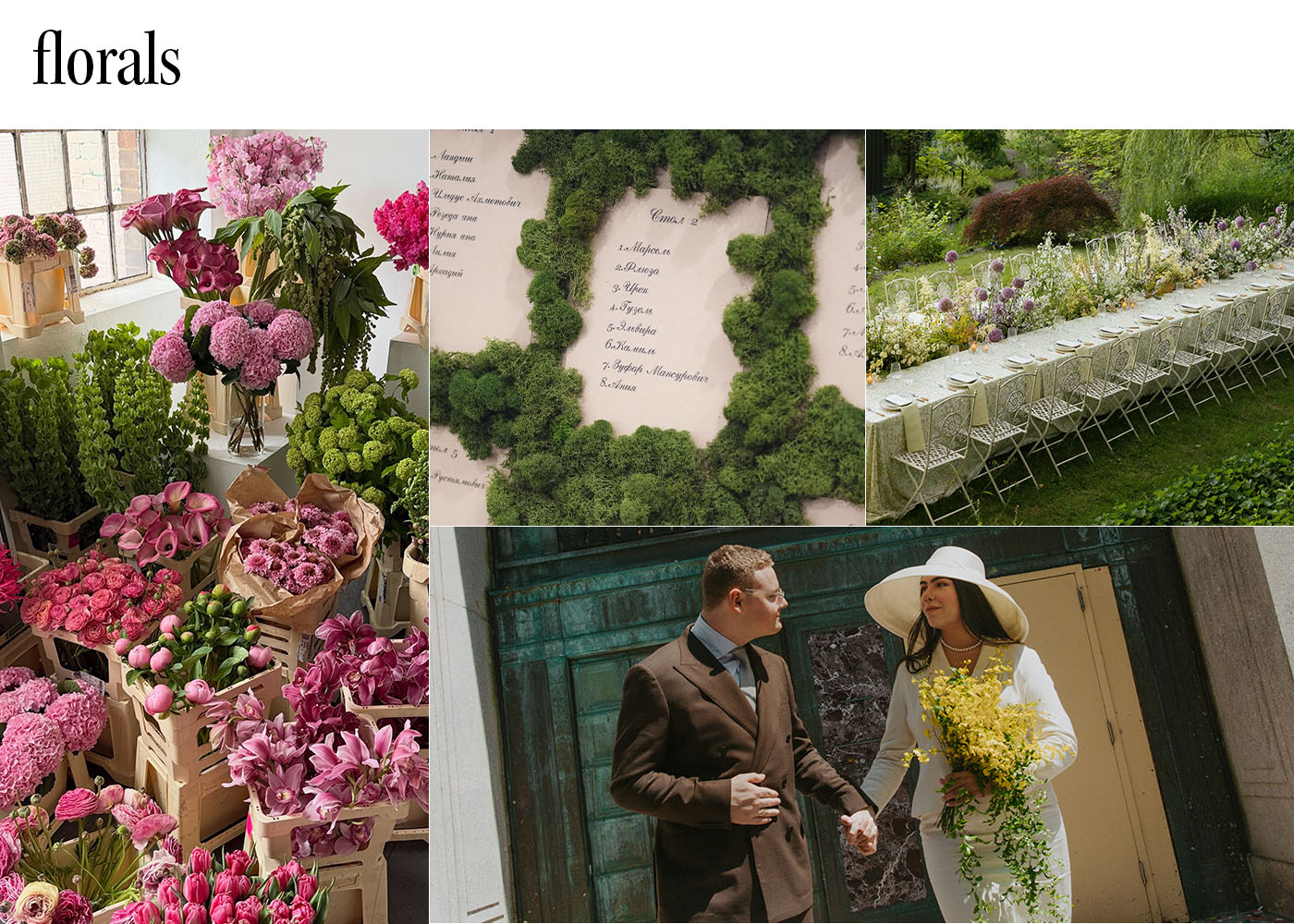
Integrating natural elements that mirror the local landscape is one of the simplest ways to give a wedding an organic, lived-in feel. Designers are increasingly blurring the boundaries between a venue and its surroundings rather than keeping them distinct. According to Yassin, moss perfectly achieves this and is set to become an even more prominent design choice by 2027. Its ability to thrive across various climates means it can be seamlessly woven into almost any celebration. Victoria and Amanda note that whether integrated into floral displays or spread naturally across tables on its own, "moss introduces an earthy, layered quality that adds depth and texture." This approach makes the décor feel less forced and arranged, appearing instead as though it were a natural part of the space.
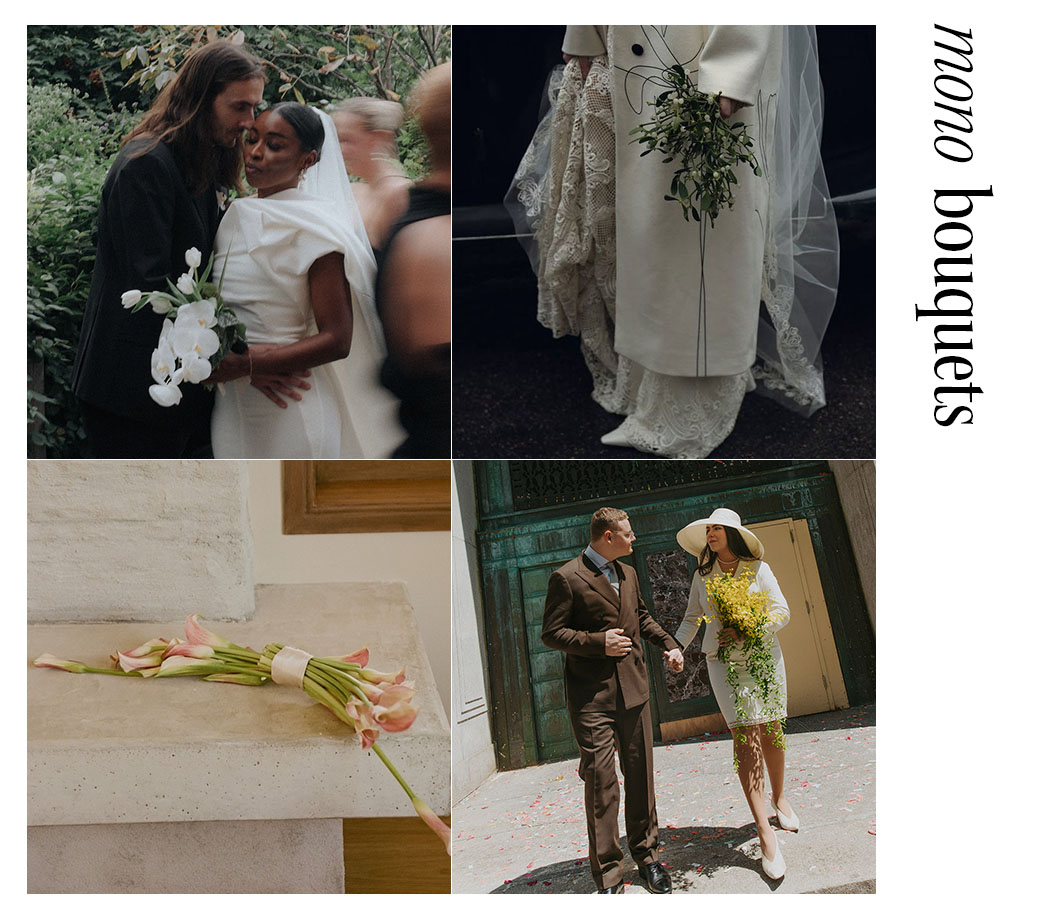
While social media has popularized the idea that larger floral arrangements represent luxury and translate better in photos, the future of high-end weddings is turning toward simplicity. This transition will be highly evident in wedding bouquets, where brides and bridesmaids are opting for minimalism over excess. Instead of complex, multi-bloom arrangements, today's bouquets will focus on just one or two flower types. "We will see cleaner groupings of florals," Sword says. "Volumes of one or two varieties or colors, either contained or more wild in shape, but letting the floral speak for itself." Industry experts, including Tombs, note that local, seasonal flowers will be favored for their effortless and organic appearance. By embracing restraint and executing it flawlessly, these understated designs will deliver a powerful impact.
We are already seeing this monobloom trend in action, most notably at Dua Lipa's London courthouse wedding, where she carried a simple bouquet of yellow Iceland poppies. With their long, delicate stems fully exposed and no added greenery or fillers, the poppies remained the sole focus. Sword notes that we might see couples leaning into minimalist floral designs with ikebana, which involves manipulating stems and grasses to create unique, sculptural forms. "The trend of dense sculptures of florals with lots of variety can feel busy," she says. "Leave the complicated designs for an install or a photo moment."
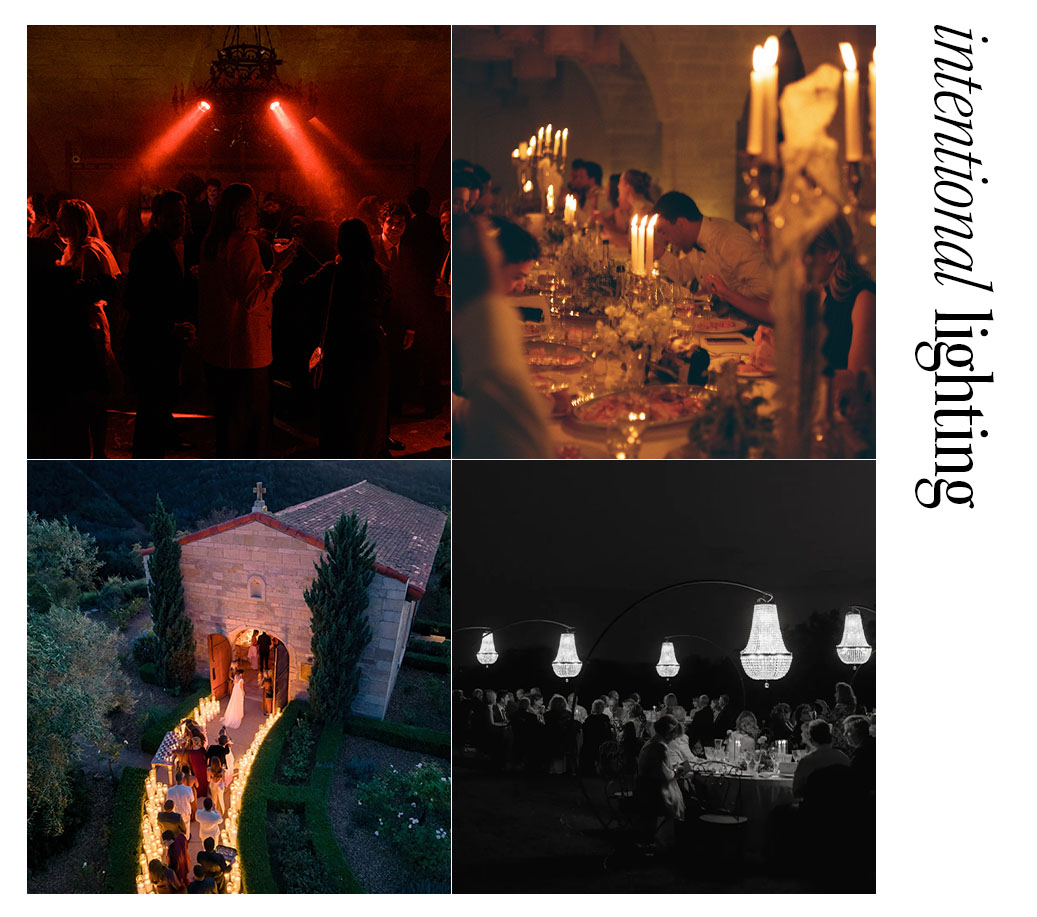
Intentional lighting will redefine event spaces with an impact that florals simply cannot match. "We’re spending more and more time creating layered lighting plans that evolve throughout the celebration," Yassin says. "It's become one of the highest priorities and one of the defining luxury investments because clients understand it shapes emotion." When executed flawlessly, the lighting itself remains unnoticed, while its atmospheric effect is deeply felt by everyone present. "Beyond candles, we're incorporating concealed architectural lighting, custom fixtures, pools of light that guide movement, and candle installations that create warmth without overwhelming the room," she adds. Tombs points out that light serves as an effective tool to structure both space and time, offering guests subtle environmental cues. For instance, transitioning the ballroom to deep crimson tones can instantly evoke a club-like setting, marking the shift from dinner to after-party. Tombs also plans to incorporate Japanese paper lanterns and tall taper candles to establish distinct moods and make a visual impact.
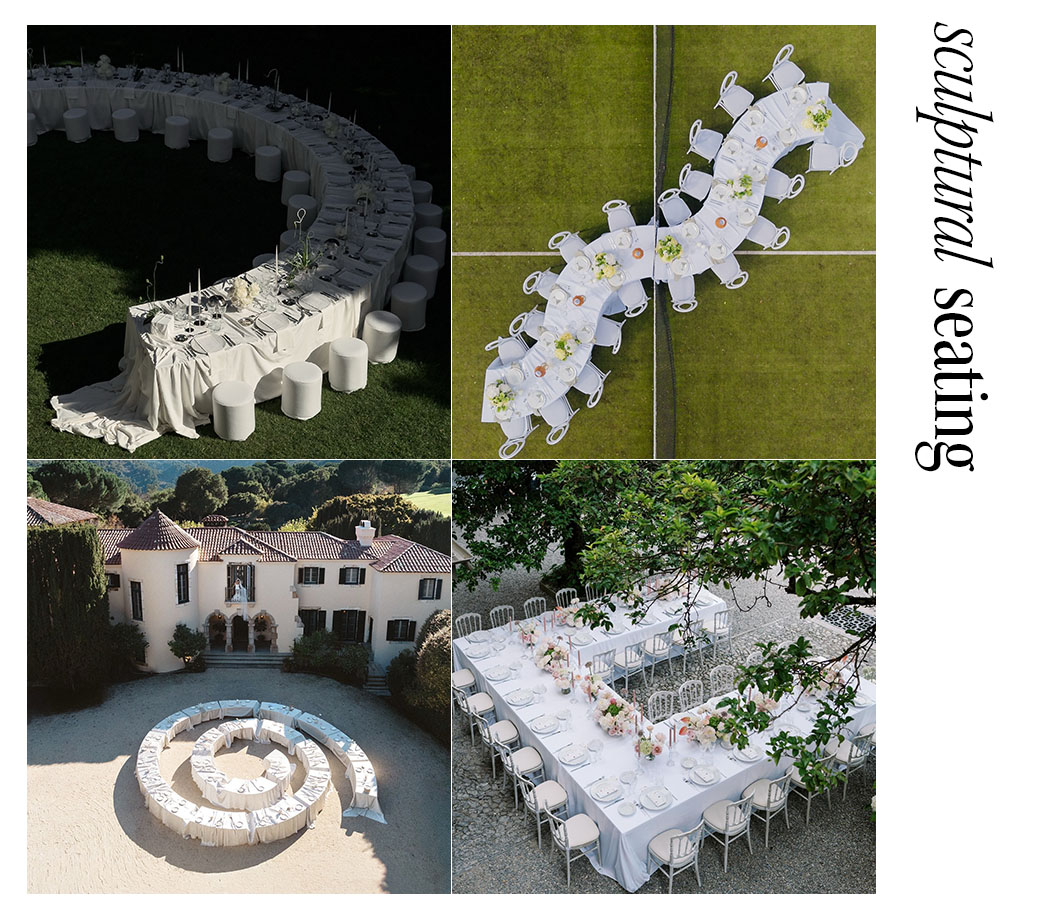
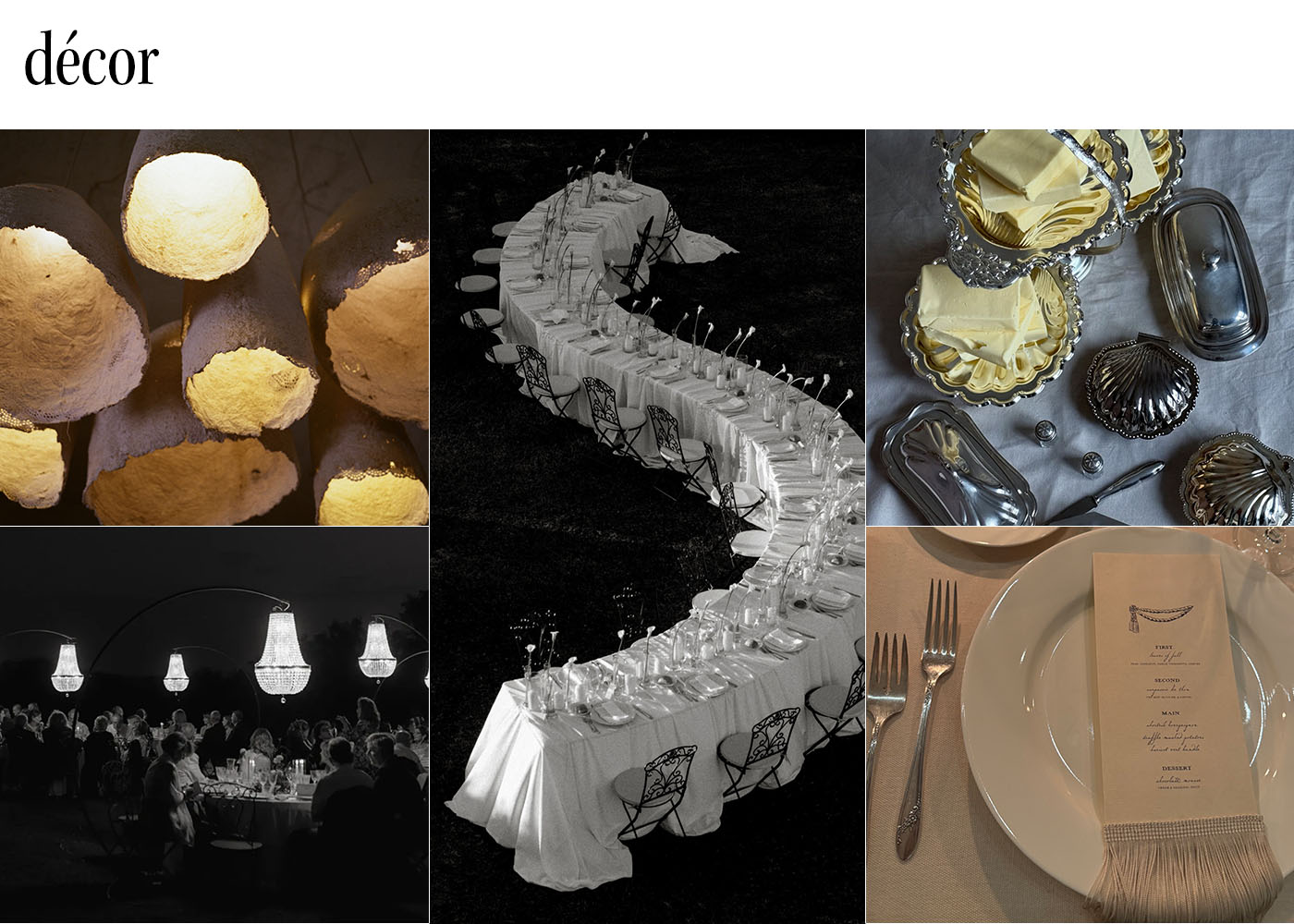
Thoughtfulness will be a dominant theme for weddings in the coming year, with a strong focus on utilizing practical elements already present in the venue rather than adding excess décor. A prime example is arranging tables in organic shapes and integrating them directly into the reception's design. "We are seeing much more flexibility to play with floor plans and reinvent traditional seating layouts," Victoria and Amanda note. "These unexpected configurations allow the tables themselves to become a bigger part of the design while creating a more dynamic guest experience." As Yassin says, this approach delivers a customized and distinctive feel that is truly one-of-a-kind. Additionally, it photographs beautifully in aerial shots, all without requiring an increase in the budget.
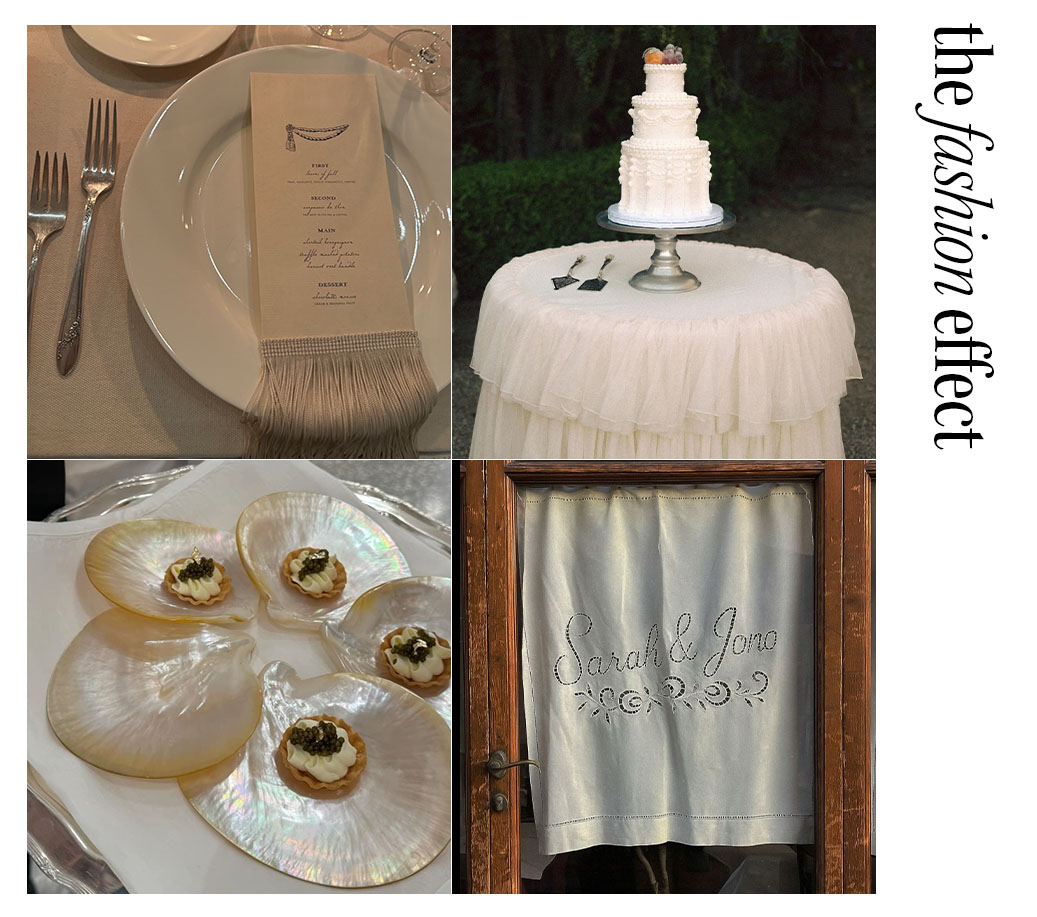
The worlds of fashion and wedding design are merging, ushering in a new era of celebrations. As experts in the space have noted, many couples, especially style-conscious ones, are eager to draw inspiration from recent runway collections and broader trends. An example of this crossover is seen in cakes. "Wedding cakes are becoming an extension of the bride's fashion, borrowing details directly from the gown to create a cohesive design story," Victoria and Amanda say. "We are seeing more edible ruffles, pleats, draping, lace, bows, and unexpected silhouettes that turn cakes into couture-inspired statement pieces." Beyond confections, fashion is influencing décor, with feathers and fringe detailing everything from lampshades and menus to table linens, adding dynamic movement and visual interest. Lace is also dominating in design as we move away from minimalism and into more romantic styles, Charlotte Forsyth-Wastell, cofounder of Hands London, notes.
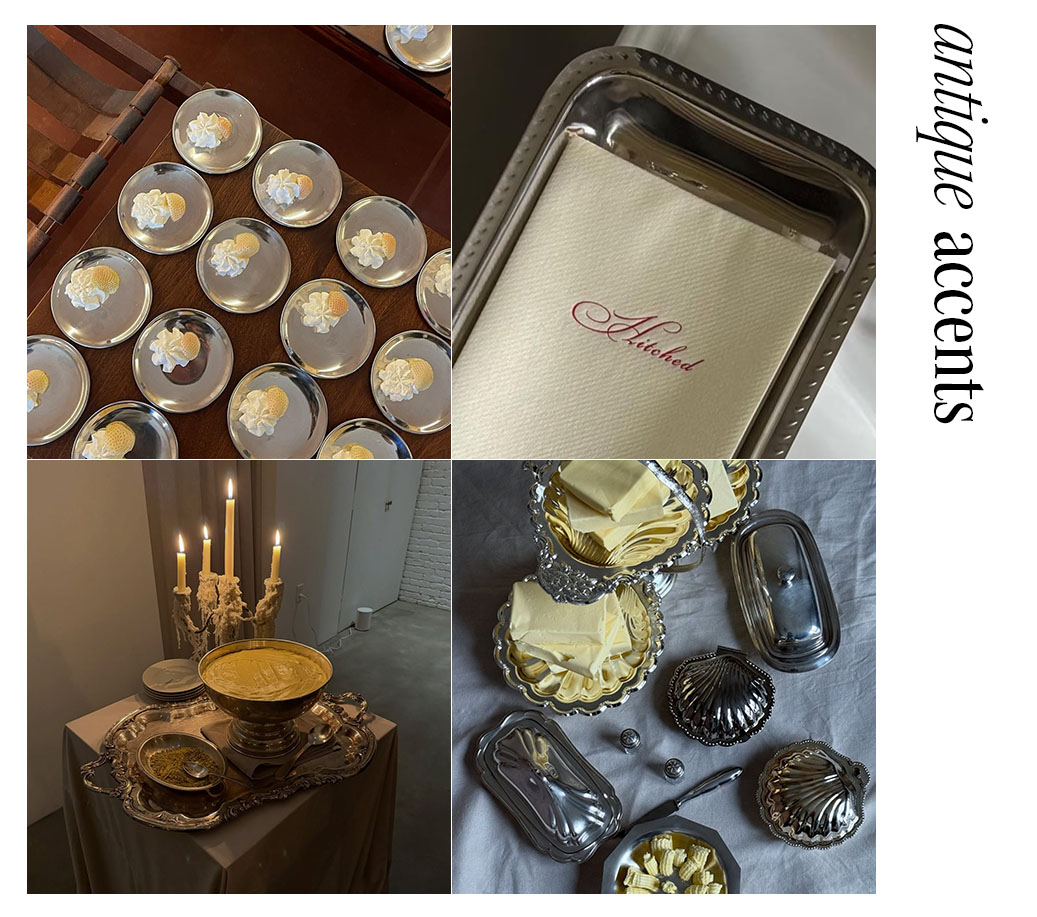
Antique accents continue to stand out as a defining wedding décor trend; however, they maintain a fresh appeal despite their enduring popularity. Yassin notes that these details provide clarity and contrast following years dominated by heavy textures, warm neutrals, and antique brass. "They bring a distinctly modern edge without feeling cold," she explains, pointing to options like silver candelabras and serving trays. Yassin also attributes this movement to a rising appreciation for true craftsmanship, as couples look to invest in unique, artisan-made details rather than standard options from a rental catalog. For Victoria and Amanda, clients are eager to integrate these elements because their reflective surfaces interact beautifully with lighting, enhancing the surrounding décor. This widespread interest in them is no surprise given that the trend effortlessly complements both minimalist and maximalist aesthetics, they note.
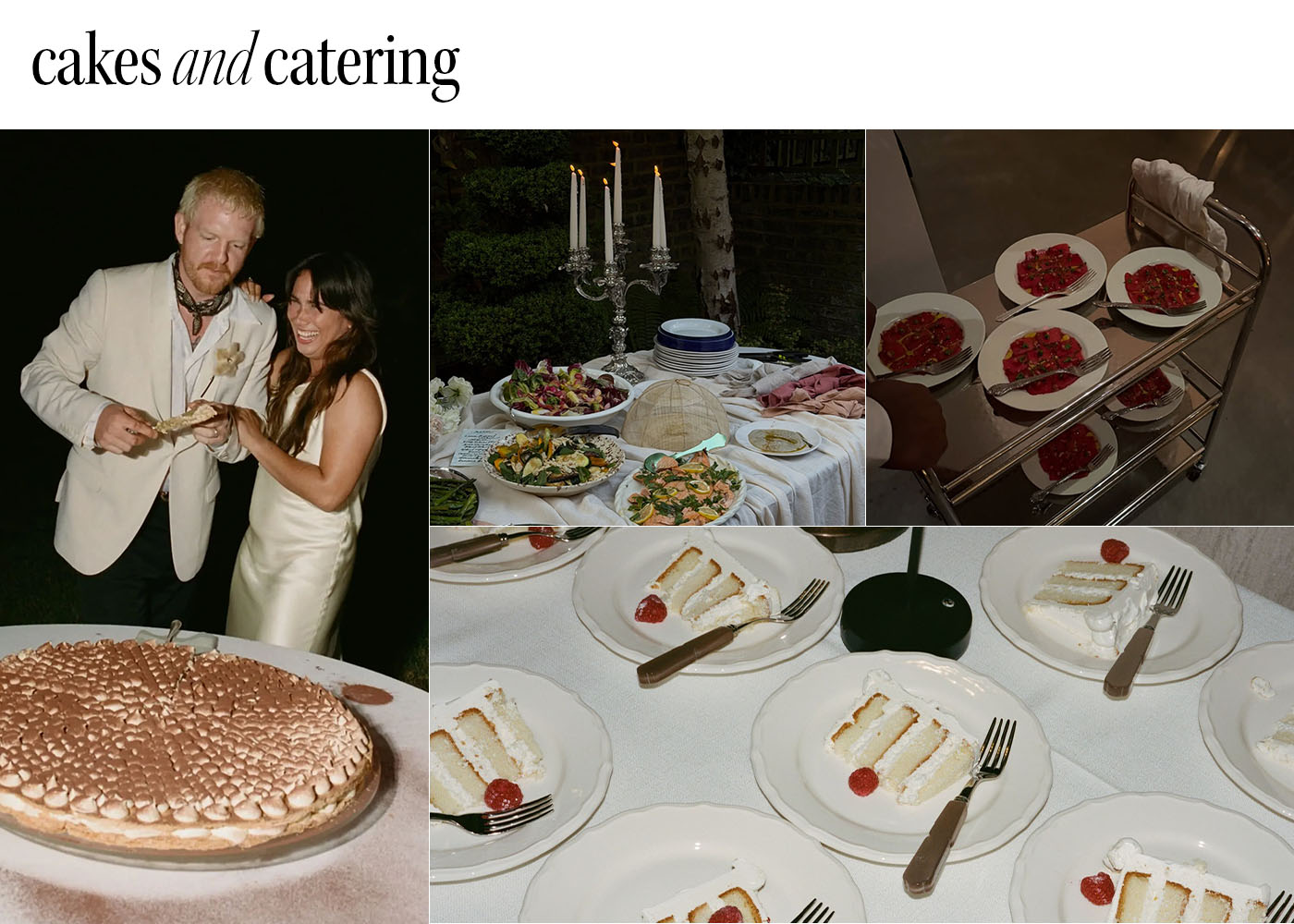
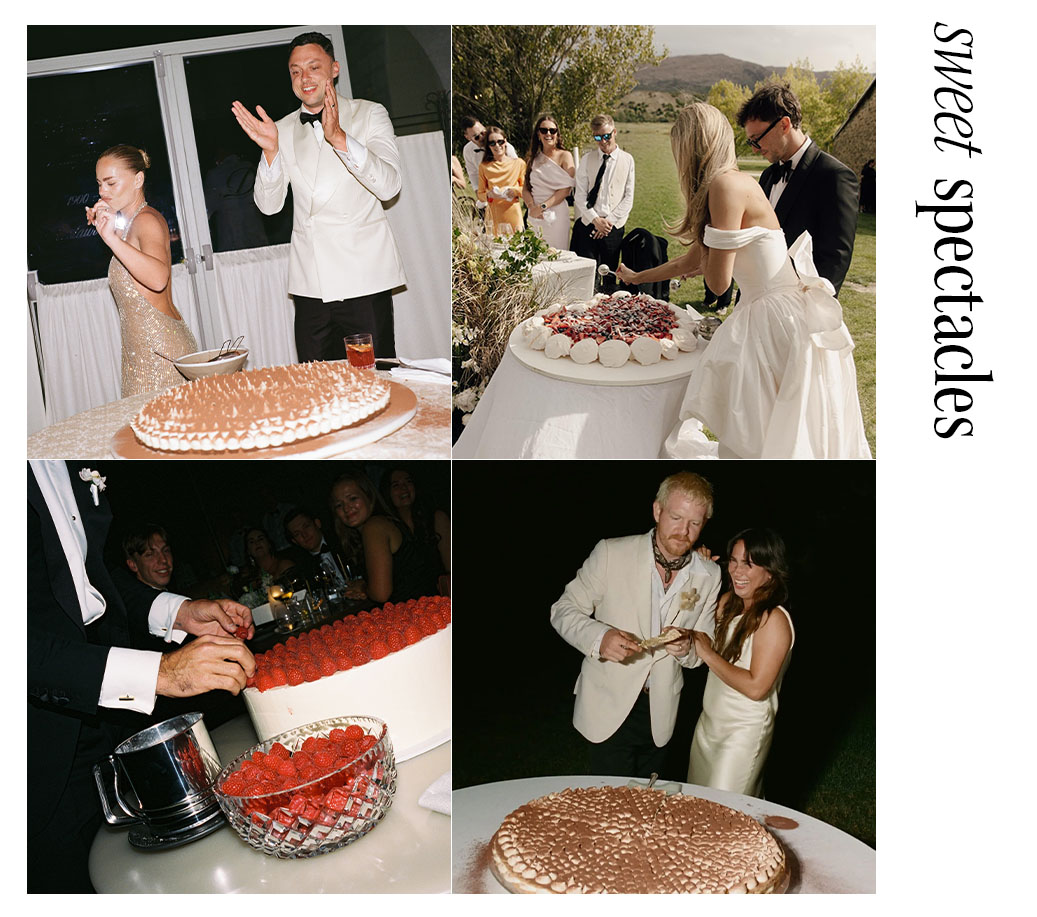
Food has evolved beyond something we simply eat—it has become entertainment, celebration, and connection all at once. While social media may have fueled this shift because of its visual appeal, the trend isn't dying down. "Watching food being prepared, smelling the fire, or interacting with the people cooking creates a far more sensory memory than a conventional service," Agramunt and Rodrigo say. One of the most popular examples at weddings is through dessert. Rather than serving a finished tiramisu or Italian mille-feuille, weddings will now invite the newlyweds to add the final dusting of cocoa powder or the layer of fresh berries together in front of their guests. "It's both theatrical and fun," says Pip O'Shea, founder of Good Good Cakes. "It also adds a visual and a tactile element—they and their guests are involved in a part of the night that usually happens behind the scenes." And of course, it allows couples to express their personalities while creating authentic, joyful photographs and videos.
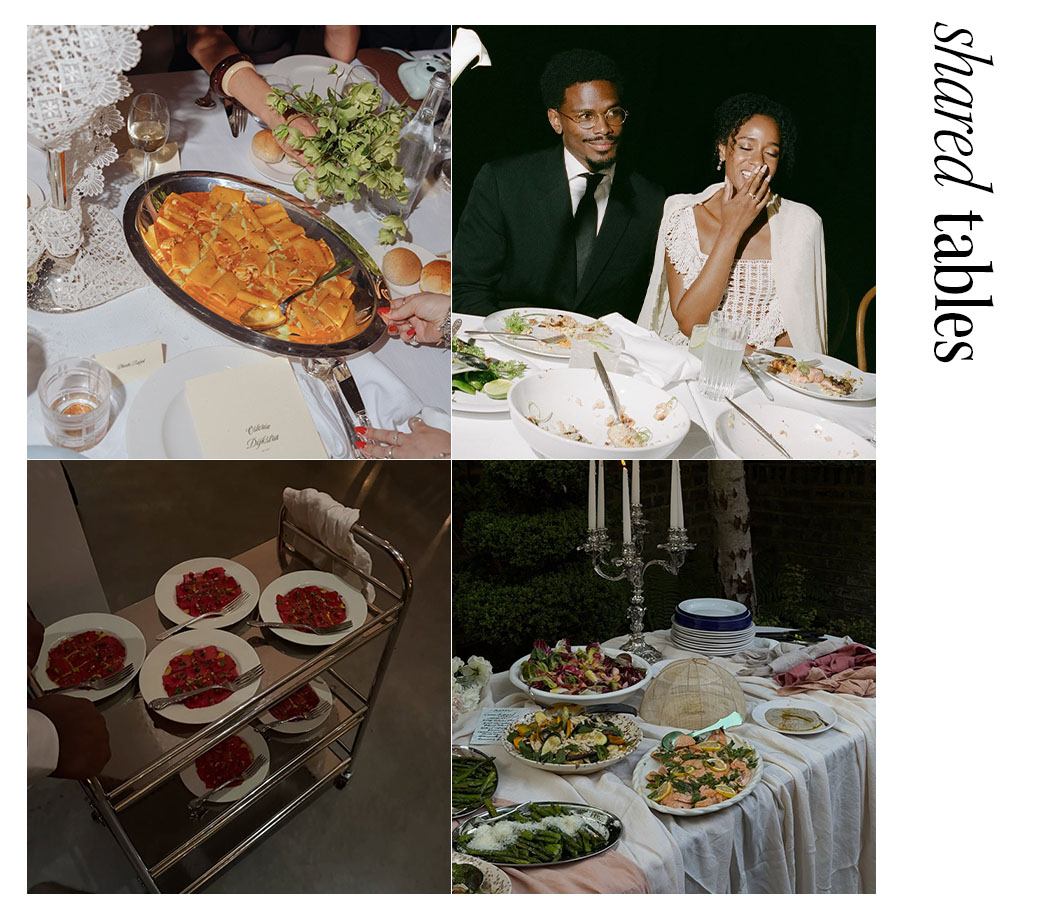
As couples look to prioritize connection, the dining table will become one of the most meaningful spaces of celebration. Family-style service will replace individually plated meals, inviting guests to pass dishes, linger over conversation, and share in the experience together. "Food will no longer simply be served on a table; the table itself will become part of the gastronomic experience," Agramunt and Rodrigo say. "Family-style banquets respond to an increasing desire to share. By placing all of the dishes at once in the center of the table, the meal becomes participatory, breaking away from the formality of traditional service and creating a warmer atmosphere."
This type of connection between guests will also occur at buffet stations during weddings. Sofie Thompson, cofounder of Hands London, says that buffets are making a comeback. "People are less inclined now to do a three-course sit-down meal," she notes. "They want an experience that isn’t similar to a restaurant style of service."
As for the type of food, couples will gravitate toward seasonal ingredients and menus. "We'll see a stronger focus on seasonal, locally sourced ingredients presented with honesty," Agramunt and Rodrigo share. Tombs agrees, adding that the most memorable menus will be those that authentically reflect the couple and the type of food they love to connect over.
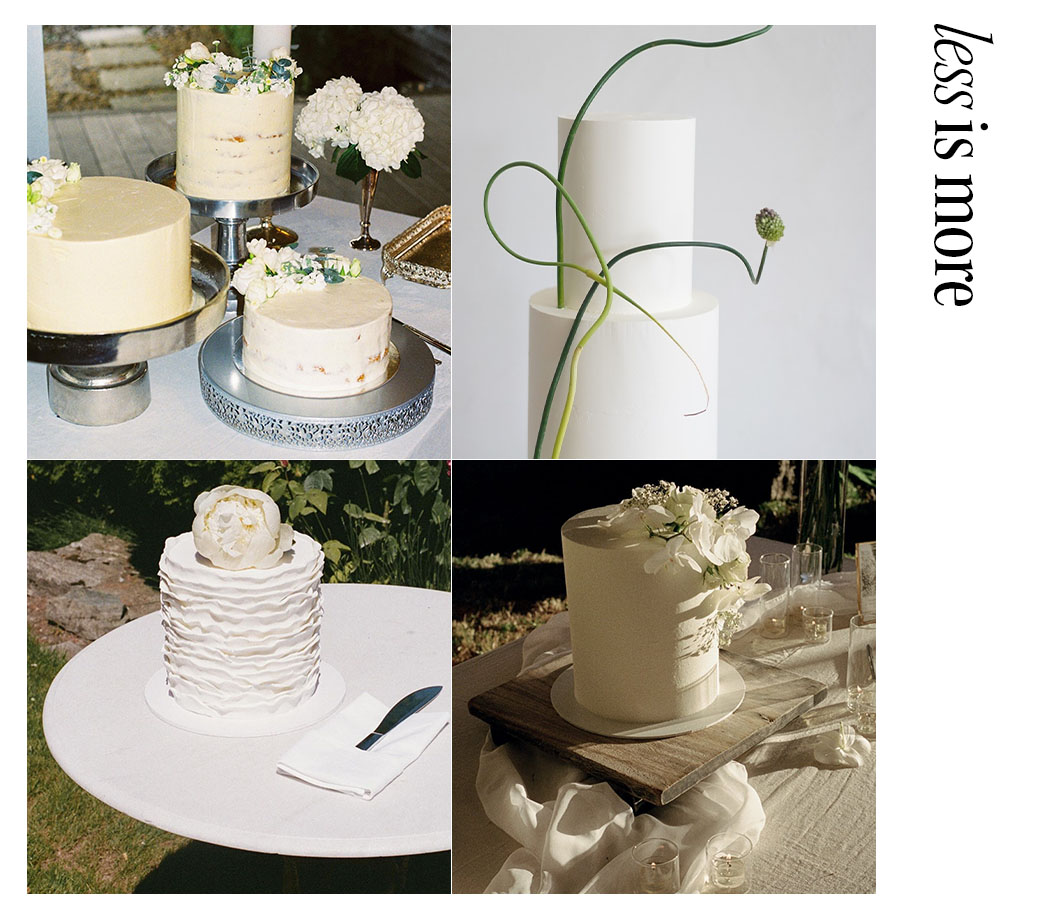
Keep your eye out because minimalist wedding cakes are set to take over in 2027. Instead of over-the-top designs and endless layers, couples will opt for clean, sculptural designs with crisp lines, two-tier silhouettes at most, and just a few carefully placed flowers or other natural decorations. "Cakes will take on a more structural and architectural look with swathes of icing and folds of buttercream," O'Shea says. The polished, understated look feels modern and elegant yet also extends the overall vision of pared-back, intentional wedding designs. "It's also a great choice for those making their own cake (or having a friend or family member make it), as a way to save money," she adds.
Want to read more?
Check out the full article on the original site