Functional Botox Is On The Rise — Here's Why

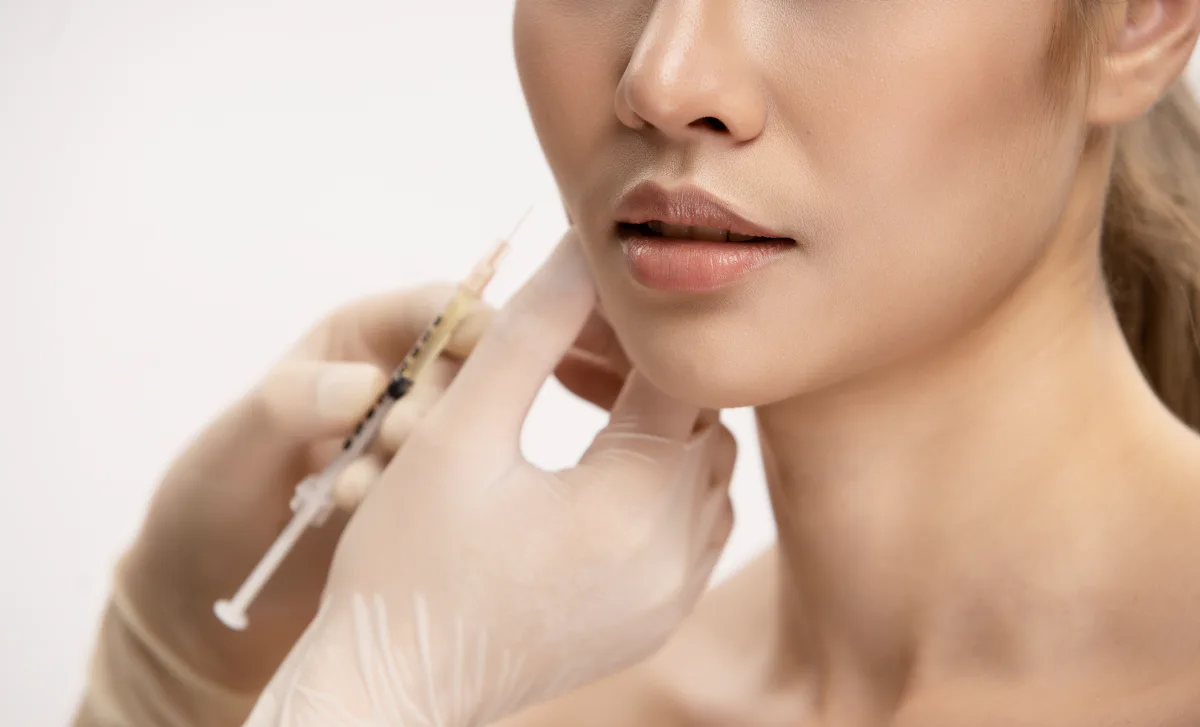
I’ll never forget the first time I had Botox injected into my “11s,” smack in between my eyebrows. I was about 26 years old and itching for the chance to erase my etched-in lines, which were unresponsive to wrinkle-filling creams, line-softening serums, and concealer. For years, in addition to addressing my 11s, my injection routine consisted of treating the pesky lines that popped up on my forehead and at the outer corners of my eyes. That is, until my injection recommended I try Botox to get an annoying — and often embarrassing — lower eye twitch under control.
Within a few days of the injections, my left lower eyelid was relaxed and the persistent twitch, which would normally set off a cascade of involuntary, uncontrollable spasms, subsided. It was like magic. Suddenly, my eye no longer had a mind of its own, and I felt relieved not having to worry about people commenting on it.
Botox may be world-renowned for its wrinkle-reducing capabilities, but the idea of using it (and other neuromodulators) to offset symptoms related to medical conditions qualifies functional Botox as a hidden gem of sorts for therapeutic and wellness benefits. While the neuromodulator category has earned a solid reputation as the gold standard for facial aesthetics, its noncosmetic indications and off-label uses continue to gain traction. So naturally, it’s becoming a go-to treatment option for relief from daily discomfort, while paving the way for treatments that offer both beauty with therapeutic benefits.
Ahead, TZR dives deep into the interesting world of functional Botox. Keep reading to find out how it differs from cosmetic applications, what to expect, and how to determine if the treatment is the right choice for you.
What Is Botox?
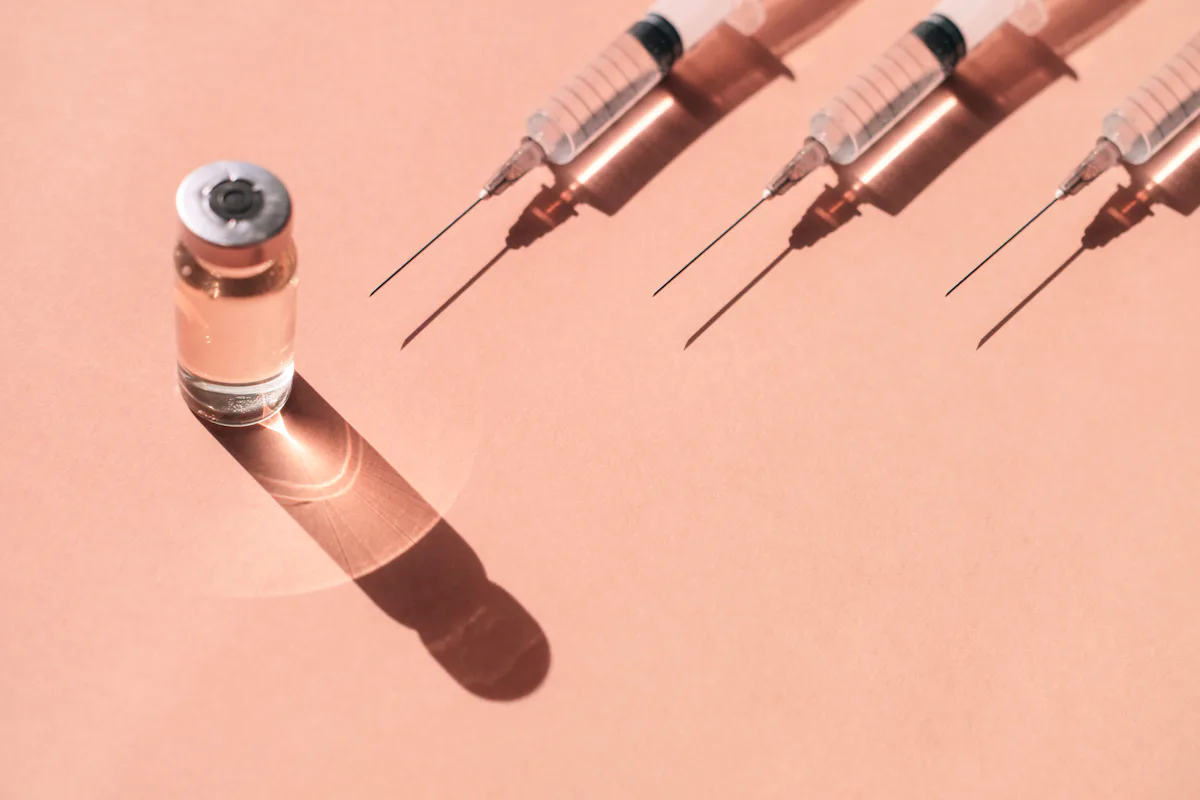
Botox is synonymous with smooth, wrinkle-free skin and a more “snatched” look, thanks to its ability to temporarily halt muscle contractions. While Botox (onabotulinumtoxina) was the first Food and Drug Administration-approved injectable form of purified botulinum toxin type A and remains the most recognized brand within the neuromodulator category, other commonly used toxins include Dysport, Daxxify, Jeuveau, Xeomin, and Letybo. These all work similarly to Botox, but have unique nuances. “Formulation is a major distinction from one product to the next, as is how the product is delivered,” says Chicago double board-certified facial plastic surgeon Dr. Anil Shah, M.D. “Botox is supplied with complexing proteins; Xeomin contains only the purified 150-kDa neurotoxin; and Daxxify, Letybo, Dysport and Jeuveau all utilize unique carrier proteins that affect duration, onset, immune response, and how the product is stored.”
At its core, Botox is an injectable treatment made from a purified form of botulinum toxin, says Stamford, Connecticut, board-certified dermatologist Dr. Annette Czernik, M.D. “It temporarily relaxes certain muscles to reduce wrinkles and treat some medical conditions.” When a neuromodulator is injected into a specific muscle, it blocks the release of acetylcholine to reduce that muscle’s ability to communicate with nerve receptors on the muscles. Since the synapse between the nerves and muscles is halted for the short term (often three to four months, if not longer, depending on the treatment area, the toxin, and the dose), the muscles responsible for movement and activity are weakened locally and therefore unable to contract. “When those muscles relax, the skin above them appears smoother,” she adds.
While neuromodulators are commonly used to reduce the appearance of fine lines and wrinkles on the forehead, crow’s feet, and between the eyebrows, the results can kick in as soon as a few days post treatment to up to one week, or longer, lasting a few months. Since Botox does not permanently stop muscle movement, Czernik says repeat treatments are necessary to maintain the results.
What Is Functional Botox?
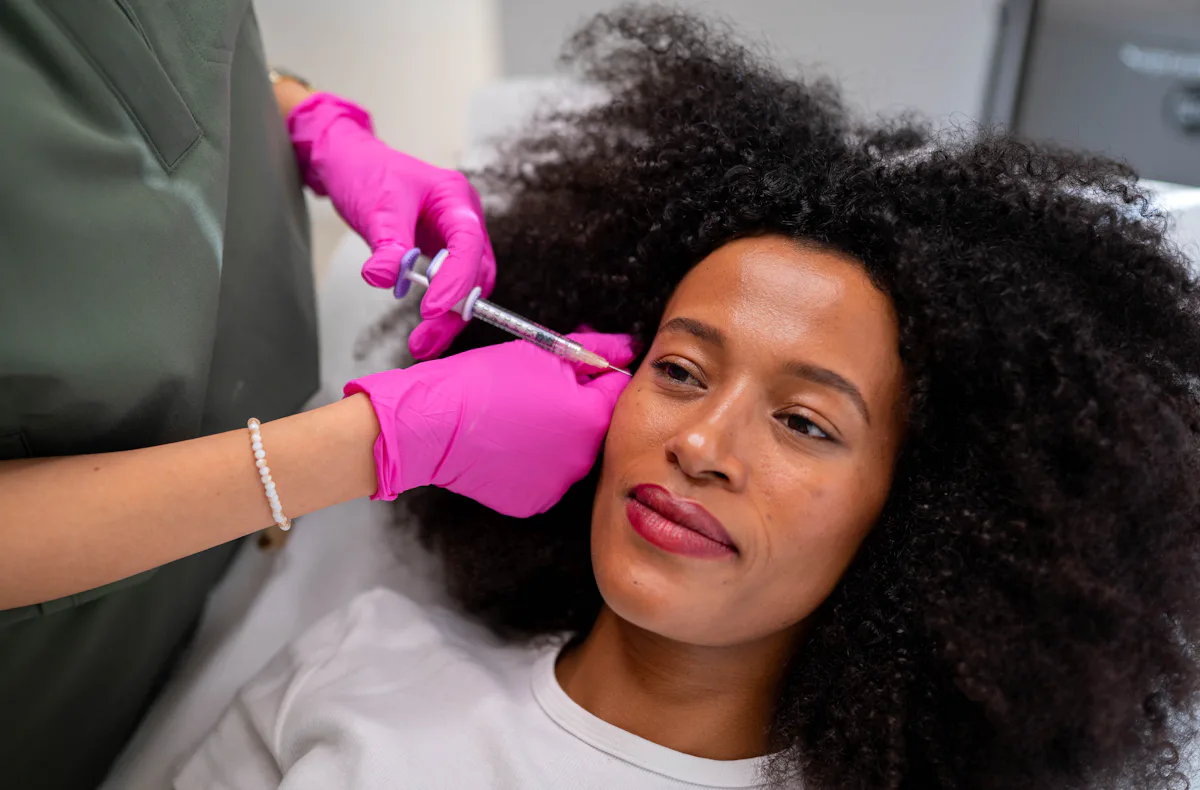
While Botox is FDA-approved for cosmetic purposes, the injectable also holds a plethora of wellness-related benefits that extend beyond aesthetics. Put simply, Czernik says functional Botox refers to using Botox (or another neuromodulator) to improve muscle function, relieve pain, or address medical concerns. “Today, we are seeing more people interested in treatments that provide cosmetic and wellness benefits, especially since social media is helping to increase awareness of these uses,” she explains.
According to Sara Sangha, Ph.D., head of US Medical Affairs at Allergan Aesthetics, Botox was first developed for therapeutic use in blepharospasm (involuntary muscle spasms of the eyelid) and strabismus (crossed eyes or wandering eye). “The idea to use it as a medical treatment, long before its cosmetic popularity, originated in the 1970s,” Sangha says. “Dr. Alan Scott, an ophthalmologist, was searching for an alternative to eye muscle surgery in strabismus patients and realized that small, controlled injections into the extraocular eye muscles could temporarily relax overactive muscle activity and correct crossed and misaligned eyes without surgical intervention.” Hence, the idea of functional Botox was essentially born.
Fast forward to today. Regenerative aesthetics, wellness practices, and functional medicine are now blended with traditional aesthetic treatments, making the philosophy behind functional Botox mainstream — and in demand. New York double board-certified plastic surgeon Dr. David Shafer, M.D., says that although Botox’s therapeutic applications came first, driven by its ability to safely and temporarily block nerve-muscle communication, they have since expanded significantly over decades based on clinical observation and research. “New uses for Botox are constantly emerging and span many fields of medicine,” he shares.
In Shafer’s practice, he uses Botox for cosmetic and functional purposes. Although the goal of each treatment is distinct, the benefits can overlap. “However, there is not always a clear line between cosmetic and functional Botox because the treatments can sometimes have both an aesthetic and functional result,” he adds.
How Function Botox Differs From Cosmetic Botox
According to Shah, the mechanism of action is identical between cosmetic and functional Botox, as both prevent the release of acetylcholine, but with different target goals. “Cosmetic Botox reduces unwanted facial movement and wrinkles,” he says, “whereas functional Botox improves symptoms by reducing excessive muscle contraction, abnormal glandular activity, or dysfunctional movement patterns. For many patients, functional Botox can improve daily pain from headaches or contracture, embarrassing excessive sweating, and balance the face after nerve injuries.” Injection sites are targeted based on symptoms and pain as opposed to looking at the face globally to improve wrinkle formation and its overall appearance.
Some functional Botox treatments may require higher-than-normal doses of the toxin than when injecting a product for aesthetic benefits. More product may be necessary to reduce symptoms of certain medical conditions and to control muscle activity in certain muscle groups for a therapeutic benefit. “Therapeutic dosing is often higher because it addresses stronger or deeper muscle activity, such as in the masseters for TMJ [temporomandibular disorder], larger areas for migraines, or hyperhidrosis,” Shafer says.
Another point of difference between the two uses of Botox is the timing between appointments, which can vary depending on the condition or issue being treated. “Many people still return every few months, but some medical uses follow different schedules,” says Czernik, adding that functional Botox may be combined with physical therapy, massage, or even dental devices to improve results. “Treating the underlying cause along with the symptoms, through a customized treatment plan, usually provides the best outcome.”

What Does Functional Botox Treat?
While some uses of functional Botox are FDA approved, others are off-label. “Although not approved by regulatory agencies, clinicians have explored botulinum toxin type A for certain conditions, but whether these are appropriate depends heavily on the disease state, formulation, and local regulatory labeling,” explains Sangha. “Botox holds approval for cervical dystonia, upper and lower limb adult spasticity, chronic migraines, overactive bladder, and axillary hyperhidrosis. These approved uses have formal FDA review of clinical trial data for a specific indication, dose, injection pattern, and patient population, with labeling that guides clinical use.
Shafer says that many of the popular and highly effective functional uses of Botox are considered off-label, including treating the masseter for TMJ, jaw tension, and teeth grinding, which also benefits facial contouring, trapezius injections for shoulder and back tightness and posture-related wellness, and even issues related to Bell’s palsy. “We use Botox a lot for muscle relaxation in wellness-focused patients since these treatments often improve comfort, sleep, and their overall quality of life,” Shafer adds.
Botox and the like are becoming go-to treatments for the following conditions:
Jaw Tension & Temporomandibular Joint (TMJ) Disorder
Jaw pain, tension, and clicking can be debilitating, and Shah says TMJ surgery has one of the lowest success rates. “Injecting Botox into the masseter muscles is one of the most successful treatments that provides relief of symptoms, oftentimes with improvement in one week,” he shares. “It reduces excessive activity of the masseter and temporalis muscles, helping to relieve clenching and facial tension.” Plus, the treatment can soften a square-looking jaw, giving a slimming effect to the lower face as a secondary benefit.
Excessive Sweating (Hyperhidrosis)
Treating the armpits, palms of the hands, soles of the feet, and the scalp with a neuromodulator helps quell overactive sweat glands by temporarily blocking the nerves responsible for triggering the production of sweat. After treatment, many patients feel more comfortable and confident, Czernik says.
Facial Asymmetries
As Shafer explains, using strategic, low-dose injections can balance muscle activity, thereby improving symmetry in cases of uneven tone or minor paralysis.
Shoulder & Back Pain
“Barbie Botox” made a name for itself a few years ago as a therapeutic-meets-cosmetic treatment that alleviates chronic tightness for improved range of motion. “The targeted injections ease trapezius muscle tension, improving posture, reducing discomfort, and alleviating neck strain to help with pain and stiffness,” Shafer says. There are also cosmetic benefits, including a longer-looking neck and less rounded shoulders.
Enlarged Pores & Oily Skin
Injecting tiny amounts (aka microdosing) of Botox intradermally to the cheeks and/or T-zone can slow oil production. When there’s less oil on the skin’s surface, the pores aren’t clogged with oil, which helps minimize their appearance and make the skin look smoother. In the right person, Shah says Botox is one of the few substances known to improve the appearance of pores. “It can also be used to reduce acne and in many ways is less invasive than taking Accutane,” he adds.
Chronic Headaches & Migraines
Botox has a medical indication for treating persistent migraine headaches, helping reduce both the frequency and severity of headaches. “Some patients experience fewer migraine days each month,” says Czernik.
Overactive Bladder
Strategically placed on-label injections of Botox into the bladder help relax the muscular wall, lessening the constant urge to urinate. Leakage and incontinence issues are also better controlled.
Muscle Spasms
Botox treats eye muscle spasms, which cause extreme blinking and twitching, by relaxing either overactive muscles or spastic, involuntary muscle contractions.
Teeth Grinding (Bruxism)
Excessively grinding the teeth not only wears them down but can also cause a constant clenching feeling in the jaw. “By relaxing the jaw muscles, grinding intensity decreases to help protect the teeth and reduce morning jaw soreness,” Shafer says.
Facial Paralysis Caused By Bell’s Palsy
When the muscles on one side of the face are overactive and pull too strongly, the face can look off balance. Czernik says Botox can improve facial balance and make facial expressions appear more natural and comfortable.
The Bottom Line
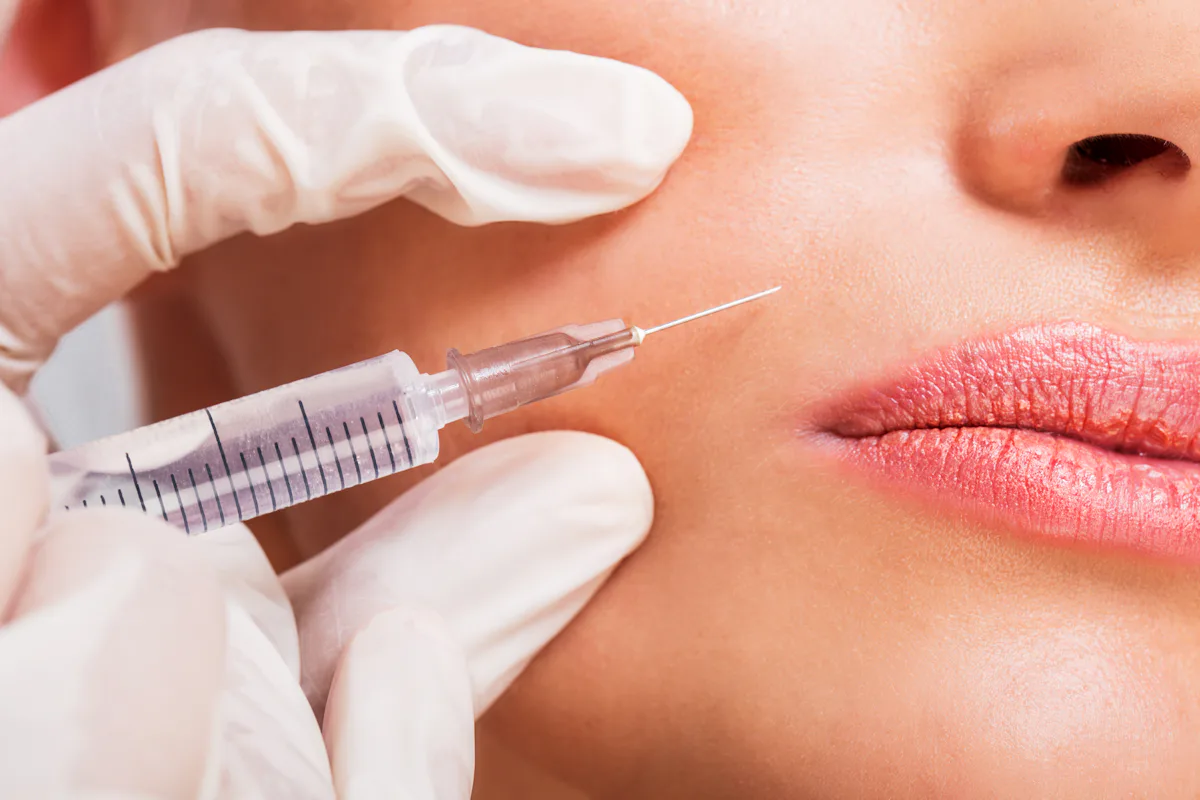
While Botox has both FDA-approved cosmetic and functional uses, as well as several off-label uses, the thought of it becoming an avenue to treat medical conditions and lessen the effects of stress make functional Botox a tried-and-true way to improve the body’s current state from head to toe. “Functional Botox positively affects comfort and quality of life,” Czernik says, and that gem of knowledge is enough to send plenty of people to their dermatologist’s or plastic surgeon’s office ready and willing to reap the under-the-radar benefits of injectable toxin treatments. But just because Botox, or another neuromodulator, is used off-label for a functional or well-being effect doesn’t mean it’s taboo by any stretch of the imagination. At the end of the day, these therapeutic applications are designed to help people feel better and, as Shafer adds, improve function, comfort, and quality of life.
Want to read more?
Check out the full article on the original site